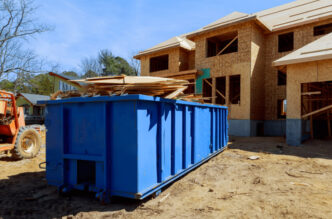

Construction dumpster rentals are a common way to handle debris from renovation and demolition work, as well as new building projects. Construction and demolition processes produce large quantities of waste that must be contained and properly disposed of, notes Astoria Charm specialists. Choosing the right container helps prevent overfilled dumpsters, lost time due to rental extensions, and unwarranted weight overages. Here are a few factors to evaluate when selecting a construction dumpster rental:
Dumpster Size and Capacity
Construction dumpster rental companies provide roll-off containers in standard sizes measured in cubic yards. Small dumpsters are suitable for bathroom remodels and garage cleanouts. For kitchen remodels and flooring projects, you can opt for medium containers. Large dumpsters handle complete home renovations or commercial build-outs.
The container’s capacity determines how much debris it can contain without exceeding its weight limits. Concrete, brick, and asphalt are much heavier per cubic yard than wood framing and drywall. A medium-sized dumpster filled with concrete may reach its weight limit when only partially full. A whole load of construction lumber or drywall can often fit in the same container without exceeding the weight limit. Take these weight restrictions into account when selecting a dumpster for your project.
Rental Duration and Flexibility
Rental periods typically range from one week to long-term arrangements and begin on the delivery date. Failure to comply with the agreed rental term may result in additional charges. Some providers offer same-day delivery, subject to truck availability and routing schedules. To make sure debris is removed promptly, it is beneficial to schedule the dumpster delivery to coincide with the demolition phase of a project. If work is completed ahead of schedule, arranging an early pickup can help clear the site sooner. Coordinating delivery and pickup with the project timeline verifies continuous workflows, reduces site clutter, and allows crews to maintain safety and efficiency throughout all phases of construction.
Hazardous Materials and Load Requirements
Hazardous wastes such as paint, chemicals, tires, batteries, and electronics are usually not accepted at disposal facilities. Loading these banned products can result in pickup denial until they are removed. Many disposal facilities also restrict items like asbestos, medical waste, propane tanks, and flammable materials due to safety and regulatory requirements. Proper handling often requires specialized recycling or licensed hazardous-waste services. Verifying accepted materials in advance helps prevent delays and compliance issues during pickup and disposal.
Provider Reliability and Service Quality
Delivery timing directly affects construction schedules. Providers that offer reliable morning or afternoon delivery windows make it easier to plan labor and equipment use efficiently. Missed delivery times can disrupt demolition activities and delay overall project completion. Some companies handle permit applications on behalf of customers, reducing administrative effort. Email or text confirmations improve coordination and reduce scheduling errors. Consistent communication from providers helps make sure delivery commitments are met and minimizes disruptions to project timelines.
Local Rules and Policies
Local regulations have an influence on where a construction dumpster can be placed and how long it may remain on-site. Municipal approval is often required for placement on sidewalks or public streets, while private property usually involves fewer restrictions. Permit requirements and allowed rental durations vary by jurisdiction and may affect project timelines.
Some municipalities also regulate container size, placement distance from intersections, driveway access, pedestrian clearance, and visibility markings. Advance coordination with property owners and service providers helps align delivery schedules. It also prevents relocation requests and supports safe, compliant project operations from start to finish.
Hire a Construction Dumpster Rental Company
To handle construction debris efficiently, assess placement, size, rental timing, waste restrictions, and service-quality terms. With the right dumpster rental company, you can minimize logistical issues and also access services that support compliance with safety regulations. Clear communication with a rental provider makes sure that the site requirements and delivery timing align before placement. Confirming access conditions and local placement rules in advance also supports seamless service throughout the project. Reach out to a dumpster rental company to access dependable scheduling, expert guidance, and proper debris management for any construction project.