When your home’s plumbing system becomes inefficient or stops working altogether, it’s key to engage a residential plumber. This allows them to identify the issue and diagnose it using the right tools and techniques, improving the system’s effectiveness. Whether you have a recurring clog or a leaking faucet, here are a few signs to watch for that indicate you need professional plumbing services:
1. Constant Slow Drainage
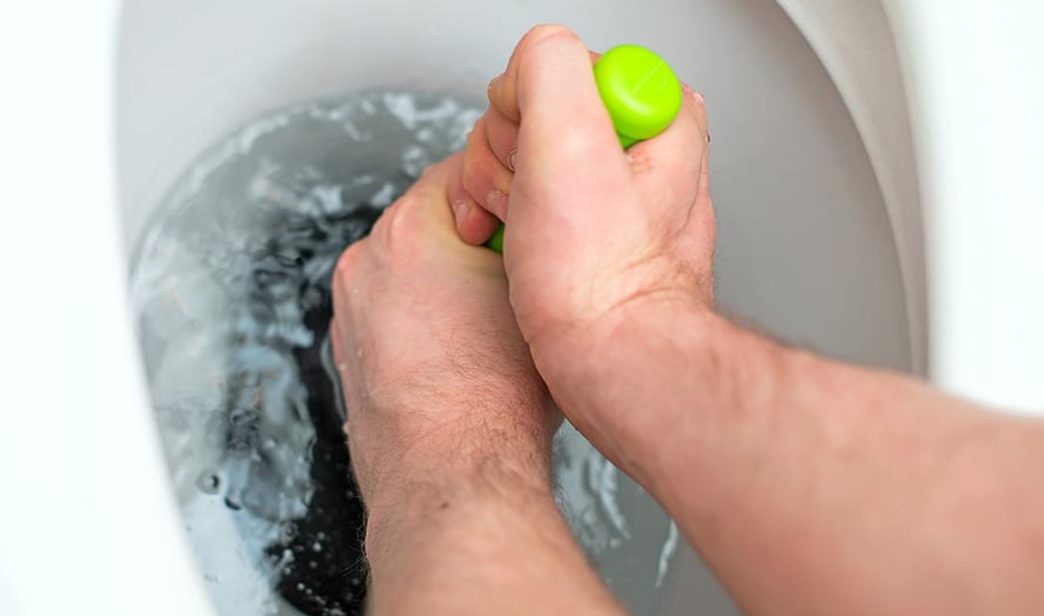
If you notice that the water in your sinks, bathtubs, or showers is draining slowly, this could be a sign that there is a blockage in your pipes. You may also experience a slow drain as a result of particles accumulating and sticking to the inside of your pipes over time. As your home ages, its pipes can corrode, causing a build-up that results in slow drainage. Depending on the issue with your drains, the plumber will determine the most suitable solution to address it. This could involve snaking the drain to remove clogs, using hydrojetting to blast away debris, or replacing corroded pipes.
2. Low Water Pressure
Your plumbing system requires a certain amount of water pressure to function properly. Low water pressure can make everyday tasks, such as showering and washing dishes, difficult. This is often due to a pipe blockage, a faulty pressure regulator, or a leak. Addressing low water pressure issues as soon as possible improves your water usage efficiency.
To troubleshoot low water pressure, a plumber checks whether the issue is isolated to one fixture or affects multiple areas of your home. If it’s only one fixture, the problem is likely localized and can be easily fixed with a quick clean or replacement. To prevent low water pressure, get professional help to inspect and repair any leaks in your plumbing system regularly. Verify that the pressure regulator is set to the proper level, and if adjustments are needed, consult a residential plumber experienced in handling them.
3. Unpleasant Odors
When you turn on your faucet and notice an unpleasant odor, the cause is often decaying organic matter somewhere in your water system. Odors like this can develop when mold, bacteria, or algae begin to build up inside your pipes and fixtures. A straightforward fix is to run hot water through the faucet for several minutes to help flush out any residue contributing to the smell. You can also reduce the chances of the problem returning by cleaning your fixtures, aerators, and accessible sections of piping.
Working with a residential plumber further helps pinpoint and eliminate the exact source of the odor. Plumbers have specialized tools that enable them to thoroughly remove buildup, inspect pipe interiors, and recommend long-term preventive measures tailored to your specific plumbing system. A qualified plumber will help restore fresh-smelling water promptly. Make sure to check your shutoff valves to confirm they are fully open and not partially closed, as restricted flow can worsen odors and reduce overall water quality.
4. Discolored Water
If you turn on your faucet and notice rusty or discolored water, it often indicates corrosion somewhere in the plumbing system. In older homes, rust from aging or deteriorating pipes can mix into the water supply. Discoloration also originates from municipal water lines, especially if they are aging, undergoing maintenance, or have recently been disturbed.
Working with a plumber helps make sure your household receives properly treated, clean water. This not only improves water quality but also protects appliances from mineral buildup and corrosion. A plumber will inspect and replace deteriorating pipes and recommend appropriate water filtration or purification systems for your home.
5. Gurgling Noises
Several factors may cause gurgling noises in your pipes and drains. One reason is improper venting. When a plumbing system is not properly vented, air becomes trapped in the pipes, creating gurgling noises when water flows. A plumber will diagnose whether the problem is due to a clog, a blocked vent stack, or inadequate venting. They will then clear the blockage or install additional venting if needed
Hire a Professional Residential Plumber
Homeowners can prevent major plumbing problems by being mindful of what they put down their drains. Avoid pouring large food particles and oil down the kitchen sink, as these will cause blockages. In the bathroom, use a hair catcher in the shower drain to prevent hair from clogging the pipes. Contact a residential plumber today for quality repairs and maintenance in your plumbing system.