
It is not always easy to remain disciplined in our day-to-day lives, as our duties and distractions vie to attract our attention. Personal sports are a good way to develop self-control and enhance concentration, as they rely on individual responsibility.
When you are engaged in a sport that depends solely on your own efforts, you learn to manage your time, track your habits, and remain devoted to improvement. These abilities are essential not just for athletic development, but also for long-term, consistent health-related routines.
Several individuals in the modern world seek easy ways to maintain a healthy lifestyle, and sports are one of the most effective. The benefits of individual sports are that they put you on a routine, make you familiar with what your body requires, and monitor how your day-to-day decisions influence your health.
Because you train to keep up with things, you tend to get better at keeping up with health-promoting habits as well, as you build the capacity to do it. Through careful practice, these sports will foster the following attitudes that build self-discipline and focus.
1. Accountability
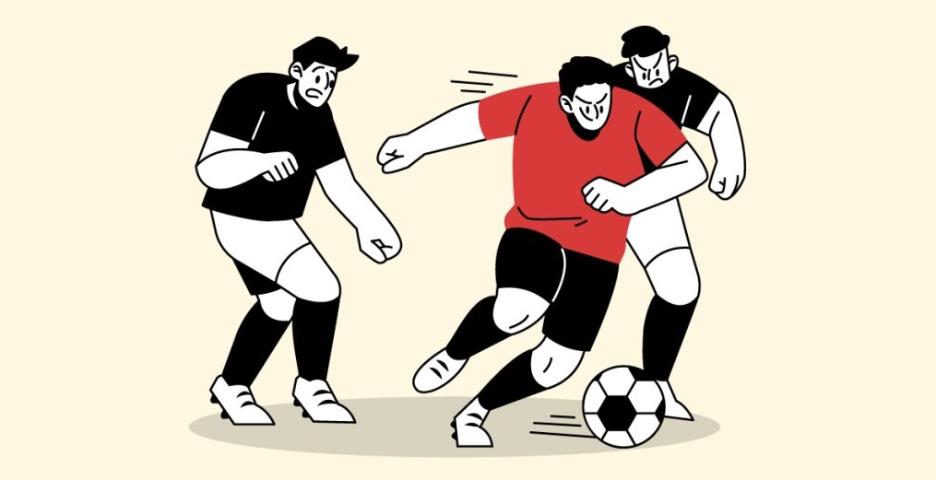
In team sports vs individual sports, the most significant distinction lies in accountability. Team activities provide opportunities to share responsibilities, and tasks can also be shared among teammates. In personal sports, however, it all depends on your individual choices and hard work.
This creates an atmosphere where you learn to be responsible for preparation, performance, and improvement. It is up to your daily decisions to determine your training program, your progress, and your results.
Such a feeling of ownership reinforces self-discipline since one has to consider what will help them achieve their objectives and what will hold them back. You start to notice cycles in your life, including how sleep, nutrition, and stress affect performance.
This consciousness is an overall life skill that develops over time. You begin to think the same way about day-to-day activities, wellness practices, and personal engagements. Being responsible for yourself in sport also means being more reliable in making decisions that affect your overall well-being.
2. Consistency Through Routine
Most individual sports require a steady flow to achieve improvement. Regardless of whether you are a swimmer, a runner, a yoga practitioner, a cyclist, or any other individual with a solo workout, the development of your body and mind is reliant on a regular routine.
This makes you think about how you will organize your day, balancing work, rest, and exercising. The more you repeat this structure, the more you will get used to appearing.
You get to learn how to make progress on days when energy is low, doing so in realistic increments that instill the idea that not being the best should be viewed as a form of progress.
The style can be readily applied in real life. You just set regular practice time, and you become more certain that you can fulfil other recurring commitments consistently. You start to appreciate simple and sustainable habits that make you feel at ease.
In the process, you learn how structure lowers stress and enhances clarity. You, in turn, will become more disciplined in maintaining your health, making mindful choices, and handling activities that demand long-term commitment.
3. Setting Goals and Self-Evaluation

Sporting activities are very personal and interdependent. You can either train to run a specific distance, train to work on a stroke, or train to get stronger with a controlled step.
Since these sports stimulate the achievement of quantifiable results, you constantly monitor results and measure your performance. This self-assessment would teach you to be candid about your strengths, weaknesses and areas of improvement.
You start to understand that you need to be patient and make minor changes, and not giant steps. This attitude is helpful in most non-sport aspects. When you have a clear idea of your patterns, you make better decisions and have higher expectations of yourself.
You also learn how to change strategies that aren’t working, which is an excellent skill for maintaining balance in the long term in a day-to-day routine. The goal tracking habit gives you a more profound feeling of control, and it also teaches you how discipline and concentration can be strengthened by constant self-review.
In the long run, these practices promote healthier decision-making across different aspects of life.
4. Enhancing Attention and Cognitive Resilience
When you are training in a single sport, you get to learn how to shut out distractions so that you can be fully engaged in whatever you are doing. You train your mind to be present, whether you are running long distances or are focused on the task at hand in the weight room.
This enhances your capacity to endure pressure, particularly when you go beyond the tough times. You learn to remain calm and collected rather than act impulsively. This strength is applicable whenever you encounter challenging circumstances in the non-sporting context, such as when making tough choices or dealing with stressful days.
Even individual sports will make you understand that a single lapse in concentration can turn things around, and thus, you start to appreciate consistent concentration and mindfulness. These practices result in clarity of thought and self-control.
When you learn to concentrate better while exercising, you eventually develop the mental stamina needed to engage in productive daily activities. This involves keeping promises and focusing on activities that demand concentration.
5. Promotes Self-Motivation and Autonomy

Self-motivation is one of the most potent traits developed through personal sporting activities. Having no teammates to depend on in training, you get to know what drives and motivates you. This will make you more independent in decision-making, as you understand how your personal choices affect your outcomes.
You also learn how to set personal expectations and stick to them without outside reminders. With time, this autonomy develops trust. You start believing in yourself and thinking that you can cope with difficulties, be organized, and plan.
The fact that in individual sports rewards are based on consistent personal effort rather than team performance makes you appreciate the importance of internal motivation over external demands. The practice enhances how you approach long-term objectives.
You also learn to stick with it even when progress is slow, since you realize that you will improve through patience, consistency, and constant effort. Consequently, the freedom you attain in sports helps you to achieve balance, healthier daily choices, and be disciplined.
Final Thoughts
Individual sports provide a strong foundation in personal discipline and sustained concentration, as they also train you to plan, work hard, and stay motivated. Training on your own teaches you to be consistent, assess your progress without lying, and change your direction without confusion.
These practices not only strengthen your performance in the sporting arena but also your patience and organization in handling your daily tasks. Individual sports training also helps you remain calm in difficult times, and the independence you gain enables you to make wise decisions.
These skills develop an equitable attitude over time, which helps in the long-term well-being. Playing an individual sport allows you to build psychological strength and develop daily training habits that benefit many aspects of life.