







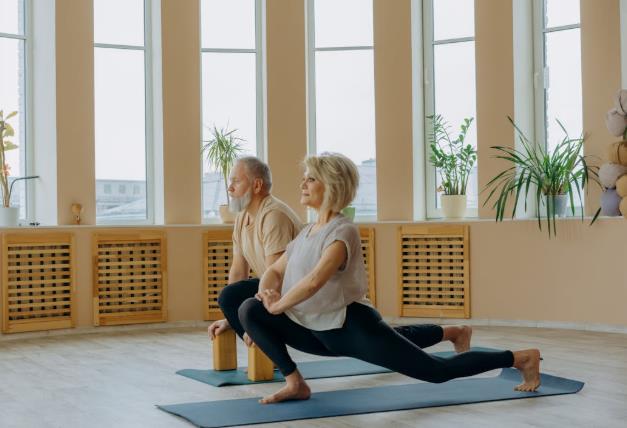
When children grow up and leave home, many parents find themselves in a new stage that feels both freeing and unfamiliar. The house is quieter, routines change, and time suddenly feels more flexible. It’s a moment that invites reflection — and for many Australians, it’s also a time to think about what comes next. Rather than seeing this shift as an ending, it can be a beginning filled with movement, connection, and fresh experiences.
Embracing active living after years of family-centred routines can bring a renewed sense of purpose. It’s not about doing more, but about doing things that bring enjoyment and energy.
By focusing on simple, sustainable habits, this new chapter can become one of balance, growth, and fulfilment.
Creating a Balanced and Nourishing Approach to Food
Nutrition plays a quiet yet powerful role in daily energy and wellbeing. Enjoying a range of fresh fruits, vegetables, grains, and proteins supports a balanced diet. Meals don’t need to be complex — simple dishes made with seasonal produce can be both satisfying and nourishing.
Cooking at home can also be part of a mindful routine. Preparing food with care, sitting down to eat without distraction, and sharing meals with friends or family all contribute to overall wellbeing. It’s about balance, flavour, and enjoyment, not restriction.
Many people also choose to complement their nutritious meals with health-friendly supplements from brands like USANA Health Sciences, to support already healthy body systems. The focus remains on wholesome eating and enjoying foods that support vitality and balance in everyday life.
This stage of life is ideal for exploring local markets, trying new recipes, and learning what foods make you feel good. Eating well becomes not just a habit, but a pleasure.
Turning Routine Activities into Wellness Moments
Everyday tasks hold quiet opportunities for wellbeing. Cooking, cleaning, or even taking the dog for a walk can become mindful, purposeful moments. The key is awareness — noticing how small actions contribute to an active lifestyle. Hanging laundry outdoors, walking to the local shop, or standing to stretch between tasks can all support natural movement.
This approach removes pressure and makes active living accessible. It encourages people to see wellness as part of normal life, not something that requires special effort. These mindful moments also help create calm, structure, and satisfaction throughout the day.
Exploring New Hobbies That Keep You Moving
The empty-nest stage often brings extra time and flexibility. Trying something new can be both exciting and beneficial. Activities such as hiking, lawn bowls, cycling, or even photography walks help combine gentle movement with enjoyment. Joining local clubs or classes adds a social aspect, turning activity into connection.
Exploring hobbies also builds confidence and keeps the mind active. It allows people to discover new interests and meet others who share similar passions. The focus stays on enjoyment — doing what feels good, not what feels necessary. Every new hobby becomes a chance to learn, laugh, and stay engaged with the world.
Building Meaningful Social Connections
Staying socially connected is one of the strongest foundations for lasting wellbeing. For many people, the empty-nest stage opens up time to reconnect with old friends or make new ones. Joining local activity groups, volunteering, or attending community classes offers simple ways to meet others. Research consistently shows that social interaction contributes to overall wellbeing and creates a sense of purpose and belonging.
Community involvement also makes active living easier to maintain. When people walk or exercise with others, they’re more likely to stay consistent and enjoy the process. For retirees and empty nesters, this social aspect can make each day feel more engaging and balanced. A chat after a morning walk or a shared meal at a local café can make a big difference to overall happiness and motivation.
Life after children leave home can be one of the most rewarding stages of adulthood. With time and flexibility, there’s room to explore new routines, connections, and passions. Active living doesn’t need to be demanding — it can be as simple as moving a little each day, eating well, and staying socially connected.
By approaching each day with curiosity and balance, empty nesters can create a lifestyle that feels energising and meaningful. This chapter is not about change for the sake of it, but about living with intention. It’s about enjoying every moment, finding purpose in activity, and nurturing wellbeing through simple, lasting habits.
The journey of active living begins with one step — and for many, it becomes the start of a refreshing, fulfilling new way to experience life.


