No homeowner wants to deal with bugs or rodents, but the truth is, many houses are more susceptible than their owners realize. From rodents to insects, these unwelcome guests can invade homes quietly, often without immediate detection. Identifying signs of vulnerability early is key to preventing infestations and protecting your property. Here are some common indicators that your home may be more inviting to pests than you think. For dependable pest control services, check out https://monumentalpest.com/pest-control-leesburg-va/ for more information on professional solutions.
1. Cracks and Gaps in Walls or Foundations
Even small cracks in walls, floors, or your foundation can act as entry points for pests. Rodents can squeeze through surprisingly tiny spaces, and insects often exploit gaps around windows, doors, or vents. Homes with aging structures or minor wear and tear are particularly at risk. Regularly inspecting your home’s exterior for gaps and sealing them with appropriate materials can significantly reduce the likelihood of an infestation.
2. Moisture Problems
Pests are drawn to water, so areas with excessive moisture are prime targets. Leaky pipes, damp basements, and poorly ventilated bathrooms can all attract pests like cockroaches, silverfish, and termites. Mold growth is another red flag, signaling conditions that favor pest survival. Addressing plumbing leaks promptly, ensuring proper ventilation, and using dehumidifiers in damp areas can make your home less hospitable to pests.
3. Signs of Previous Infestations
If you’ve noticed droppings, chewed wires, or damaged food packaging in the past, your home may already be on a pest radar. Even if previous problems were addressed, pests are persistent, and the conditions that attracted them may still exist. Look for small piles of droppings, gnaw marks on furniture or baseboards, and tiny holes in walls or flooring. These are warning signs that pests could return if preventive measures aren’t taken.
4. Poorly Sealed Food Storage
Pantries and cabinets that are not tightly sealed can invite insects like ants, pantry moths, or cockroaches. Crumbs, spills, and uncovered food items provide an easy meal for pests. Regularly checking for expired products, wiping down shelves, and storing food in airtight containers can help in keeping your kitchen pest-free.
5. Overgrown Landscaping and Cluttered Yards
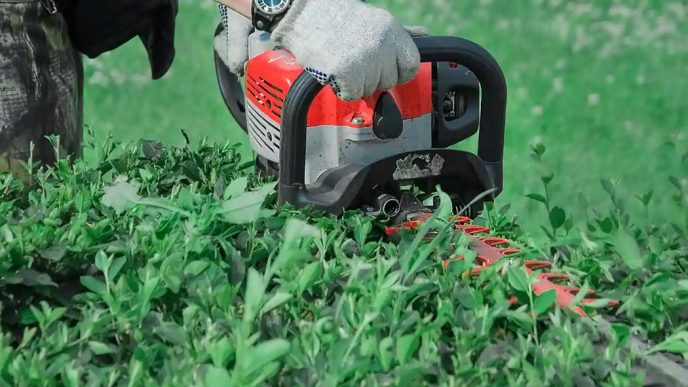
The exterior of your home can be just as important as the interior when it comes to pest prevention. Overgrown bushes, tall grass, and accumulated debris create hiding spots for rodents and insects. Firewood stored too close to the home, dense shrubbery near the foundation, or garden beds that touch the house all make it easier for pests to find a way inside. Maintaining your yard, trimming vegetation, and keeping storage items off the ground can help reduce these risks.
6. Poorly Maintained Gutters and Drainage Systems
Clogged gutters and inadequate drainage can lead to standing water, which attracts mosquitoes and other small insects. Water accumulation near the foundation also creates conditions that favor termites and ants. Ensuring gutters are clear, downspouts direct water away from the house, and the landscaping slopes away from the foundation are essential steps in reducing pest vulnerability.
7. Pets and Their Habits
While pets are a joy, they can inadvertently attract pests. Pet food left out can be a magnet for ants, rodents, and cockroaches. Additionally, pets that spend time outdoors may bring in ticks, fleas, or other insects. Cleaning up pet food, washing bedding regularly, and keeping pets groomed can help minimize these risks.
8. Unsealed Windows, Doors, and Vents
Doors and windows that do not close properly or lack weatherstripping can be easy access points for pests. Similarly, vents without screens or gaps around air conditioning units can allow insects and small rodents to enter. Regular maintenance of doors, windows, and vents, including sealing gaps and installing screens, can make a noticeable difference in keeping pests out.
9. Unused or Cluttered Spaces Inside the Home
Basements, attics, and storage rooms that are cluttered or rarely used are perfect hiding places for pests. Rodents and insects often seek quiet, dark spaces to nest. Regularly decluttering, cleaning, and inspecting these areas can prevent pests from establishing themselves unnoticed.
10. Proximity to Other Infested Properties
Finally, your home’s location can influence pest vulnerability. If neighboring properties have had infestations, it increases the likelihood that pests could migrate to your home. Being proactive, communicating with neighbors about shared pest concerns, and maintaining rigorous preventive measures can help protect your home.
Conclusion
Recognizing the signs that your home is vulnerable to pests is the first step in prevention. Cracks and gaps, moisture problems, signs of previous infestations, unsealed food, overgrown landscaping, poor drainage, pets, unsealed entry points, cluttered spaces, and nearby infestations all play a role in attracting pests. By addressing these vulnerabilities early and maintaining a proactive pest prevention plan, you can keep your home safe, comfortable, and pest-free.
Professional pest control in Reston VA Services can also help identify risks you may overlook and implement targeted strategies for your home. Don’t wait until an infestation occurs; early detection and prevention are always the most effective solutions.