
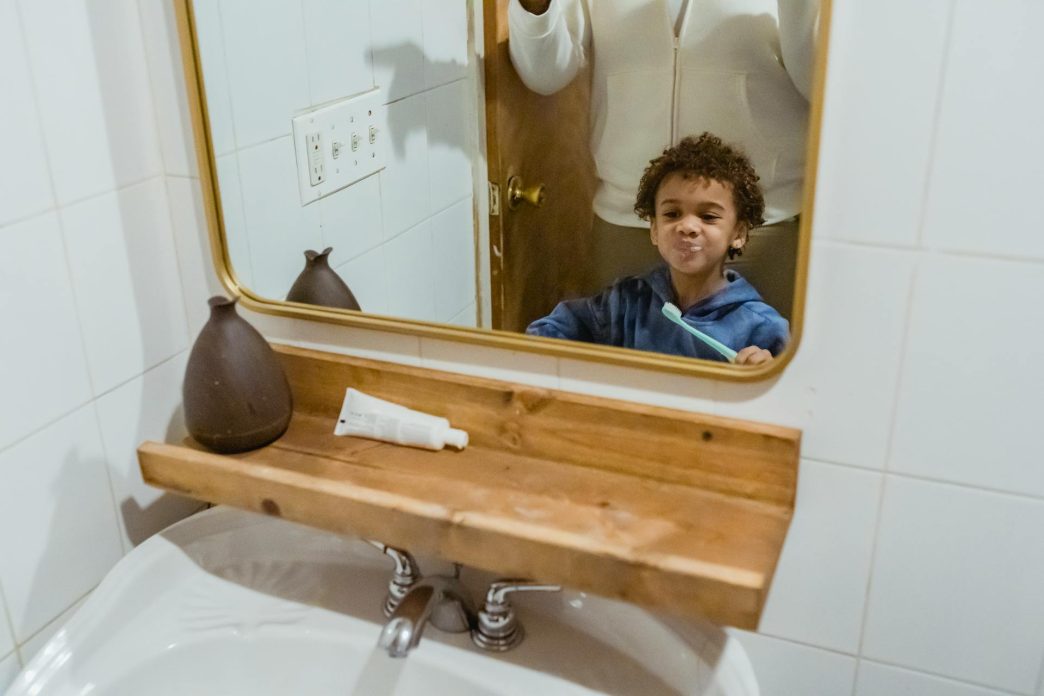
Every parent wants the best for their children. You work hard to give them a safe and healthy start in life, and you make choices that support their growth. You might even move to a family-friendly city like Weston so your children can thrive in a supportive and secure environment. While you focus on their safety, diet, schooling, and routines, their oral health in these developing years should never slip down the priority list. Strong habits today protect your child from future dental issues, prevent discomfort, and support their overall well-being.
This article will break down the essential things every parent should know about kids’ oral care so you feel confident guiding your child toward a healthy smile.
Address Crooked or Misaligned Teeth Early
Crooked or misaligned teeth often show up earlier than parents expect. It is important to address these issues because they can affect chewing, speech, and long-term dental health. Early evaluation helps identify whether a child will benefit from braces or Invisalign. While the cost of living in Weston is high, families can explore plans that fit their budget.
A skilled orthodontist can guide parents through the right treatment option based on the child’s needs. In fact, when it comes to orthodontic services Weston has some of the best professionals and some of them even offer complimentary consultation!
Treatment during childhood often works better because the jaw is still developing, which makes teeth easier to guide into proper alignment. Early action prevents bigger issues later and helps children feel confident about their smile as they grow.
Teach Proper Brushing Habits From the Start
Teaching proper brushing habits early helps children form routines that last. Parents should start brushing their child’s teeth as soon as the first one appears. At this stage, use only a small amount of fluoride toothpaste, about the size of a grain of rice. Show your child how brushing works by letting them watch you brush your own teeth. Children learn best by copying what they see. As they grow older, encourage them to hold the toothbrush and practice brushing with your guidance. Keep the process simple and positive. Many children resist brushing because it feels like a chore, so adding a favorite song or using a fun toothbrush can help.
Choose Tooth-Friendly Snacks and Drinks
A child’s diet has a major influence on their oral health. Sugary drinks, sticky candies, and frequent snacking increase the risk of cavities. Parents can help by offering snacks that support stronger teeth. Crunchy fruits and vegetables such as apples and carrots help clean the teeth and stimulate the gums. Water should be the main drink throughout the day, especially between meals. Foods high in calcium, like yogurt and cheese, strengthen developing teeth. When children learn to enjoy tooth-friendly snacks early on, they build healthier habits that follow them into adulthood. Parents do not need to remove all treats, but they should limit them and focus on balance.
Regular Dental Visits Matter More Than You Think
The first dental visit should happen around a child’s first birthday or when the first tooth appears. These early visits help parents catch problems before they become serious. Regular checkups every six months give dentists the chance to clean hard-to-reach areas, check for cavities, and monitor the development of the teeth and jaw. For many children, the dentist’s office can feel intimidating, but consistent visits build comfort and familiarity. When children see the dentist as a normal part of their routine, they feel less anxious during appointments. These visits also give parents valuable guidance on brushing techniques, fluoride use, and healthy habits.
Keep an Eye on Habits That Affect Teeth
Some habits seem harmless but can create issues over time. Thumb sucking, teeth grinding, or extended use of a bottle or sippy cup can affect a child’s bite and tooth alignment. Thumb sucking may be common in young children, but when it continues for too long, it can push the front teeth forward. Teeth grinding might happen during sleep and can cause wear on the teeth or jaw discomfort. Even drinking from a sippy cup throughout the day can expose teeth to sugar for long periods. Parents can gently guide children away from these behaviors by offering comfort, encouraging new routines, or working with a dentist if the habit becomes harder to break.
Encourage Kids to Take Ownership of Their Oral Health
A major turning point in a child’s oral care journey happens when they begin taking responsibility for their own habits. Parents can support this by letting children choose their toothbrush, set small goals, or track their brushing routine with a simple chart. Kids respond well when they feel included. Teaching them to notice early signs of problems, such as gum sensitivity or tooth discomfort, helps them speak up when something feels wrong. As children grow older, they should learn why oral care matters instead of just following instructions. This understanding motivates them to maintain consistent brushing, flossing, and healthy eating without constant reminders. When kids feel involved and capable, they form habits that stay with them well into adulthood.
Helping children build strong oral health habits is one of the most meaningful gifts a parent can offer. These habits shape more than their smile—they shape confidence, comfort, and lifelong well-being. Each small daily action, each conversation, and each decision teaches children that caring for themselves matters. When parents stay engaged and present in this part of their child’s life, they create a foundation that supports far more than healthy teeth. They help their children grow into adults who value their health and understand how to care for it with intention.