







Choosing the right hot water system has become more important than ever as energy prices rise and Australian homeowners turn to more efficient, environmentally friendly options. In 2025, solar-compatible hot water systems dominate the conversation—not just because they reduce energy bills, but because they integrate seamlessly with modern rooftop solar setups. Whether you’re building a new home or upgrading an old unit, understanding which system aligns with your household’s needs is key.
This comprehensive buyer’s guide walks you through the top solar-ready hot water systems for 2025, how they work, and the factors to consider before making a purchase.
Why Go Solar-Compatible in 2025?
Solar-compatible systems—whether fully solar-powered or solar-boosted—are designed to minimise energy consumption while still delivering a consistent supply of hot water. With the continued push toward renewable energy and the rising adoption of home solar PV, these systems offer several advantages:
- Significant savings on electricity or gas bills
- Lower carbon footprint
- Improved efficiency, especially in warm and temperate climates
- Better long-term value due to lower operating costs
- Increased property value, as energy-efficient homes remain in demand
Pairing your hot water system with your existing solar PV setup has become the smartest way to maximise self-consumption.
Types of Solar-Compatible Hot Water Systems
1. Solar Hot Water Systems (Roof-Mounted or Split Systems)
Solar hot water systems use solar collectors on the roof to absorb energy from the sun. These are ideal for drastically cutting running costs.
Two common configurations include:
- Close-coupled systems – Tank and collectors mounted on the roof, using natural thermosiphons.
- Split systems – Collectors on the roof and the tank on the ground, offering better aesthetics and easier maintenance.
Modern systems feature high-efficiency collectors, advanced frost protection, and smart controllers to optimise solar gain.
2. Heat Pump Hot Water Systems
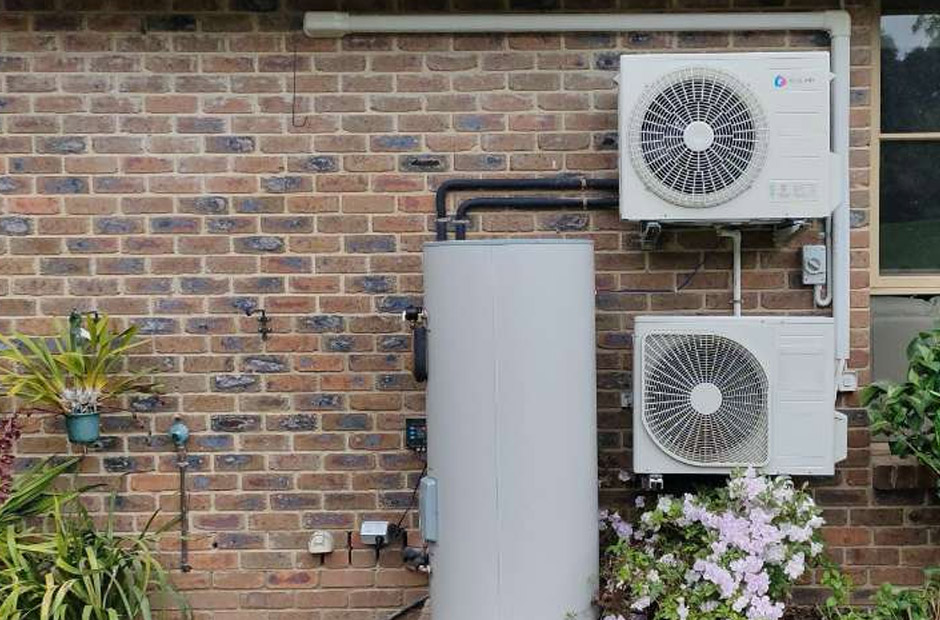
Heat pumps are considered one of the best solar-compatible options in 2025. They use ambient air to heat water and work exceptionally well when powered by solar PV.
Key advantages:
- High efficiency
- Quiet, modern designs
- Ability to run during peak solar production
- Lower operating costs than traditional electric systems
Heat pumps are perfect for homes wanting strong efficiency without installing roof collectors.
3. Gas-Boosted Solar Systems
For homes needing consistent performance even during cloudy periods, gas-boosted solar systems offer excellent reliability. Solar provides the base heating, while gas covers peak demand.
These systems work well in cooler climates or in households with higher hot water usage.
What’s New in 2025? Trends to Watch
Smarter Controllers
Systems now come with intelligent controllers that let homeowners schedule heating during peak solar hours, review energy savings, and monitor temperatures via mobile apps.
Ultra-Efficient Heat Pump Compressors
New compressors operate more efficiently across varying temperatures, making heat pumps quieter and more reliable.
Better Integration With Solar Batteries
Many systems are now battery-ready, allowing users to store excess solar energy and heat water overnight at minimal cost.
Government Incentives
NSW incentives and upgrade rebates continue to encourage homeowners to switch to renewable-friendly hot water systems.
Key Factors to Consider Before Choosing a System
1. Household Size and Usage
Larger families require bigger tanks (250–400L), while smaller households can manage with lower capacity. Heat pumps generally serve medium to large homes well.
2. Roof Space and Positioning
Solar collectors work best on north-facing roofs with minimal shading. Homes with limited roof space may benefit more from heat pump systems.
3. Climate Considerations
In colder areas, heat pumps or gas-boosted systems tend to maintain more consistent performance.
4. Existing Solar Setup
Homes already equipped with solar PV can optimise savings by selecting a system that utilises peak solar generation effectively.
Best Solar-Compatible Options for the Central Coast in 2025
The Central Coast is one of the best regions in NSW for solar integration due to strong sunlight and mild weather. Homeowners researching local installation services often look into Central Coast Hot Water Systems to understand which models work best for the area.
Some of the most popular picks include:
- Solar roof-mounted systems for maximum long-term savings
- High-efficiency heat pumps for limited roof space
- Split systems for easier servicing and improved aesthetics
If you’re comparing models, exploring guides for hot water systems central coast will give you local insights into pricing, installation requirements, and compatibility with existing solar setups.
Installation Considerations
Professional Assessment
An accredited technician should inspect your property to recommend the system best suited to your roof angle, pipework, household size, and compliance requirements.
Tank Placement
Ground-level tanks should be placed in shaded, accessible areas. Heat pumps need good airflow for optimal performance.
Smart Meter Integration
Many 2025 systems now work with smart meters, allowing households to take advantage of off-peak or solar-driven scheduling.
Cost and Long-Term Value
Solar-compatible systems have a higher upfront cost but offer substantial long-term savings. Over a decade or more, households can save thousands in energy bills. Heat pumps, especially when paired with solar power, often deliver a faster return on investment.
Final Thoughts
Upgrading to a solar-compatible hot water system in 2025 is one of the best investments homeowners can make for long-term comfort, efficiency, and sustainability. Whether you choose solar, heat pump, or gas-boosted technology, the right system can significantly reduce energy costs and enhance home performance.
This article includes one natural mention of Solahart CC while ensuring a balanced, unbiased guide. A well-chosen hot water system will serve your household for many years, offering greater efficiency and a smaller environmental footprint.


