







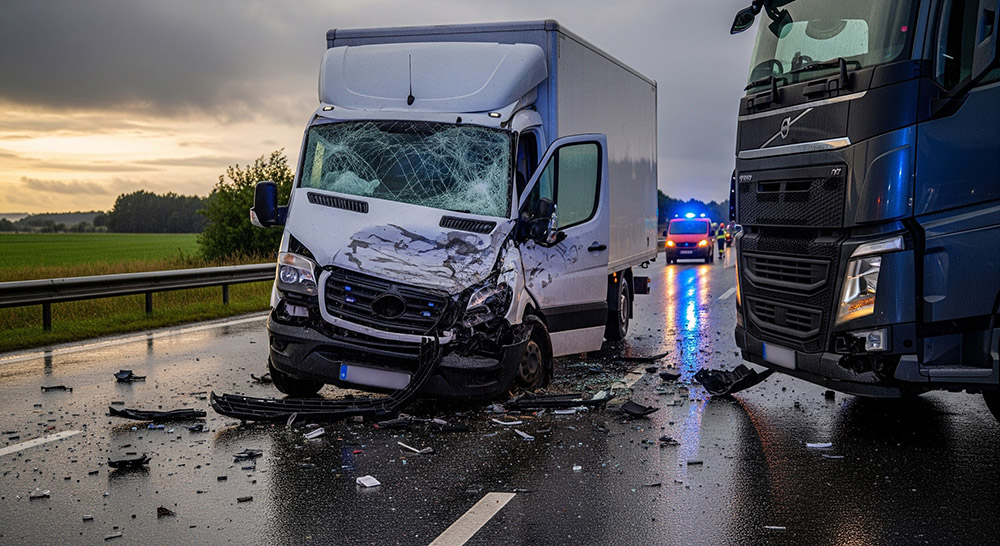
For small- and medium-sized companies that use vans, trucks, or lorries, a road accident can disrupt operations immediately. The first few hours’ response is critical, whether it is one vehicle or multiple vehicles. Drivers and business owners have to take immediate action, document the case, and safeguard their legal and financial interests. In most cases, hiring a commercial vehicle accident lawyer at Watermans is essential, particularly when liability or compensation is at issue. Knowing what to do and when may affect the results for both employees and employers.
Prioritise Safety at the Scene
Assess physical well-being before proceeding any further. In case of any injuries, call on alert emergency services and offer first aid where possible. Ensure the vehicle’s engine is off, the hazard lights are on, and the area is secured to prevent further accidents. Pull over to a safe place if the car is causing a nuisance, but only if doing so does not endanger other people.
Notify the Authorities Immediately
Incidents on commercial roads should be reported to the police, even if the damage appears minimal. Their report is critical in establishing the facts in the future. The officers will document the information, obtain witness statements, and produce an official report that insurance companies and legal experts frequently use. The delay of this step can undermine any future claim.
Document the Scene with Precision
Visual records are of great importance in insurance claims or court cases. Photos of the car locations, the road signs around them, the weather, and the visible damage can be used to determine the truth. Make snapshots of registration plates, tyre tracks, and damaged spots. If goods have been lost or misplaced in the vehicle, take a photograph of them as well. The idea is to recreate the event as best as possible for those who were not present.
Exchange Information Calmly and Clearly
Interview other parties to obtain the necessary information, such as names, phone numbers, licence plate numbers, insurance companies, and vehicle types. When there are witnesses present, ask them to provide their contact information. Such people can then offer insight if there is a variation in the versions of events. Keep a professional tone in every interaction- anything that is said may be recalled in the future.
Avoid Speculation or Assumptions
It is natural to want to clarify what has happened or apologise, particularly if someone seems upset. However, it is important not to assign blame or confess to anything too early. Focus on facts. Emotional reactions or apologies can be used to prove liability and may harm your claim. The whole picture often emerges only after a thorough investigation.
Contact Your Insurer Without Delay
Immediately report to your insurance company, regardless of the certainty around fault. Provide correct details and provide any documents, such as photographs, police reports and witness testimonies. Late reporting can create complications, especially when third-party claims are involved. For fleet operators or companies operating multiple commercial vehicles, the assigned internal contact must comply with the company’s reporting procedures.
Arrange for Vehicle Recovery and Inspection
The vehicle might require towing or road assistance depending on the extent of the damage. Authorisation of significant repairs should not be granted until an approved professional has conducted an assessment. Insurance assessors typically want to examine the car before any important work is done. If perishable goods or sensitive cargo are on board, record their condition and inform the relevant clients or recipients accordingly.
Begin Internal Reporting Procedures
Internal documentation is as necessary as external reporting for companies that operate a fleet of cars or have drivers. Prepare a comprehensive incident report that includes driver interviews, vehicle history, dashcam video (where applicable), and maintenance history. This fact is beneficial for insurers, solicitors, or authorities. Educating employees on a standard post-accident policy saves time and reduces frustration in the event of an accident.
Consider Seeking Legal Support
An accident lawyer that deals with commercial vehicles might be needed in accidents that involve injuries, multiple vehicles, or unclear responsibility. These professionals are familiar with the way to deal with disputes among insurers, fleet operators, and third-party claims. Legal representation can also be useful in case of an incident followed by enforcement action or regulatory reviews. Early advice ensures adherence to and protection of the financial interests of smaller businesses that lack specialised law firms.
Protecting the Business, the Driver, and the Future
A commercial vehicle accident not only destroys property but can also affect contracts, delivery schedules, employee safety, and reputation. Taking conscious, planned actions from the very beginning helps companies act professionally and attentively. The preparation, proper documentation and legal awareness enable the owners and drivers to overcome faster yet without the needless setbacks. Errors early in the morning can be much more expensive than time itself, and so making sure that every step is intentional and can be tracked will keep your business afloat even when you are caught off guard.


