There’s no denying it — physical appearance plays a major role in self-esteem. From childhood to adulthood, how we perceive ourselves externally can directly affect how we feel internally. And while beauty may be in the eye of the beholder, the connection between appearance and confidence is well-documented in both psychology and everyday experience.
In this article, we’ll dive into the connection between physical appearance and self-worth, explore how social and personal expectations influence confidence, and highlight ways people can take charge of their self-image — including through restorative dentistry.
Understanding the Link Between Physical Appearance and Self-Esteem
Self-esteem refers to a person’s overall sense of value or self-worth. While it’s shaped by a variety of factors — like personality, upbringing, relationships, and accomplishments — physical appearance is often a dominant influence, especially in today’s image-driven world.
Studies have shown that individuals who feel dissatisfied with aspects of their physical appearance may experience lower levels of self-confidence. This is particularly true during adolescence and young adulthood, but the impact can last a lifetime. Skin conditions, weight, facial symmetry, hair loss, and dental issues are just a few physical traits that can affect how people perceive themselves.
When someone feels good about how they look, they’re more likely to:
- Engage socially
- Take risks and pursue goals
- Present themselves assertively
- Report greater overall life satisfaction
On the flip side, a negative self-image can lead to withdrawal, anxiety, depression, and missed opportunities — both personal and professional.
The Role of Media and Social Pressure
It’s impossible to talk about physical appearance and self-esteem without acknowledging the role media plays. From magazines to Instagram, we’re constantly bombarded with edited images and idealized standards that few people can naturally achieve. This creates unrealistic expectations, leading many to compare themselves unfairly and feel inadequate.
The rise of social media filters has further blurred the lines between reality and perfection. While these tools may seem harmless, they often reinforce the idea that natural beauty isn’t enough — pushing people to hide perceived flaws or chase unattainable aesthetics.
Areas Where Physical Appearance Affects Confidence
Let’s take a closer look at some common appearance-related concerns that impact self-esteem:
- Skin Conditions: Acne, rosacea, and scarring can deeply affect how someone feels in their own skin.
- Weight and Body Shape: Societal standards often shame people for not fitting a narrow definition of “fit” or “attractive.”
- Hair Loss: For many, especially men, thinning hair or baldness leads to insecurity.
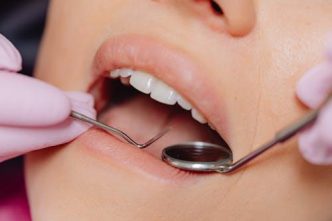
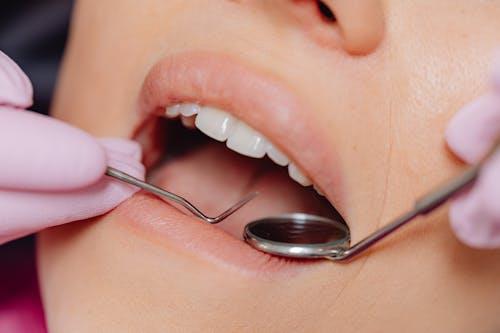
- Dental Appearance: Crooked, stained, missing, or damaged teeth can cause people to avoid smiling, speaking up, or eating in public.
That last one — dental appearance — is especially significant because it’s often underestimated, yet plays a big role in first impressions and social interactions.
How Restorative Dentistry Can Help Elevate Your Smile — And Your Confidence
Let’s zoom in on a powerful, yet often overlooked, self-esteem booster: your smile.
Many people don’t realize just how much a confident smile can influence the way they’re perceived — and how they perceive themselves. If you’re self-conscious about your teeth, you may avoid smiling altogether, which can make you seem closed-off or unhappy, even when you’re not.
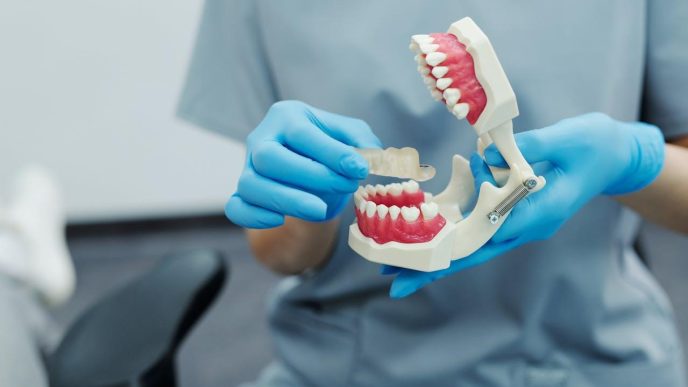
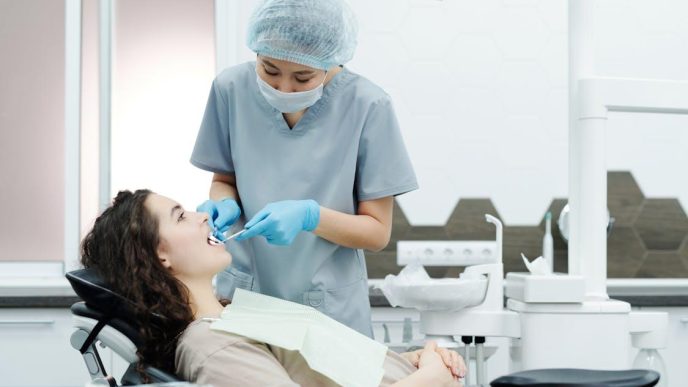
Thankfully, restorative dentistry offers modern solutions to elevate your smile — and by extension, your self-esteem.
Some common options include:
- Teeth Whitening: Brightens discolored teeth for a fresher, more youthful appearance.
- Dental Bonding: Corrects chips, cracks, or minor gaps with tooth-colored resin.
- Porcelain Veneers: A long-lasting solution for transforming the size, shape, and color of your teeth.
- Dental Implants or Bridges: Replace missing teeth to restore function and confidence.
- Orthodontics or Clear Aligners: Straighten crooked teeth discreetly over time.
These treatments not only improve appearance but also restore function — making it easier to eat, speak, and smile comfortably in public.
Boosting Self-Esteem: It’s More Than Just Looks
While improving physical appearance can help boost self-esteem, true confidence comes from a combination of inner work and external care.
Here are a few tips to improve self-worth from the inside out:
- Practice self-compassion and positive self-talk
- Focus on your strengths and accomplishments
- Surround yourself with supportive people
- Limit exposure to toxic media and comparison culture
- Prioritize your health — mentally, physically, and emotionally
And if there’s a physical feature that genuinely causes you distress? It’s perfectly okay to explore your options — whether that’s through skincare, fitness, or dental enhancements — as long as the motivation is self-love, not societal pressure.
Final Thoughts
Physical appearance can have a powerful impact on self-esteem, but it doesn’t have to define your self-worth. Taking steps to feel better about how you look — whether through a new skincare routine, healthy habits, or elevating your smile through restorative dentistry — can give you a much-needed confidence boost. The goal isn’t perfection. It’s feeling like the best version of yourself, inside and out.