If there is one part of your wardrobe that works harder than anything else, it is your shoes. They take the hits, carry your weight, and still have to look good. And in 2025, the options are better than ever. The trick is knowing which pairs actually matter and which ones are just hype. So let’s walk through the essentials every guy should have lined up by the door. Think of this as your simple guide to building a rotation that keeps you ready for anything.
Everyday Sneakers
Let’s start with the pair you will wear more than anything else. Your everyday sneakers. These are the shoes you grab when you are running out the door and do not want to think too hard. They should be comfortable, simple, and clean enough to work with almost anything you own.
Look for solid materials that can survive real life. Leather and high-quality mesh both hold up well. Stick to colors that never go out of style like white, black, or gray. Even muted earth tones work if they blend into your usual outfits. The goal is versatility.
A good pair of everyday sneakers should match jeans without effort, look right with chinos, and still hold their own with shorts. If you can wear them to grab coffee, head to the office on a casual day, and stroll around on the weekend, you picked the right pair.
Smart Casual Sneakers
Now let’s move up a level. Smart casual sneakers. These are cleaner, a bit more refined, and built for days when you want to look polished without wearing dress shoes. Think leather uppers, subtle stitching, and simple silhouettes.
These sneakers work great for office casual dress codes. They also shine at dinners, dates, and anything that calls for a sharper look. When you want comfort but do not want to look like you just left the gym, this is your answer.
You do not need a big collection here. One or two pairs can cover a lot of ground. Neutral colors again carry the most weight. Black leather for a sleek look. Tan or brown if you prefer warmer tones. White leather if you want something crisp and clean.
Running and Training Shoes
Even if you are not a daily runner, you need at least one solid athletic pair. Running and training shoes are built for performance, and your feet will thank you for using the right tool for the job.
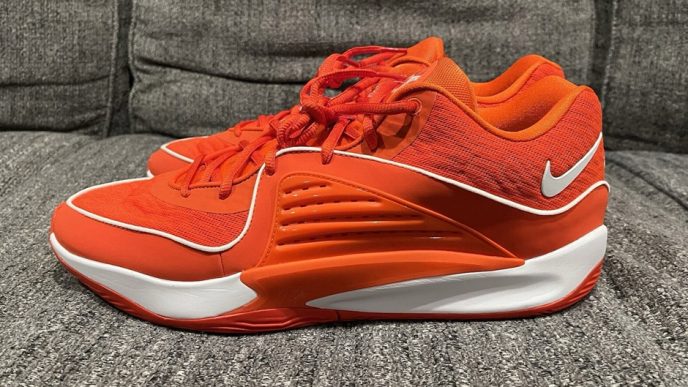
In 2025, many brands are pushing better cushioning, lighter builds, and improved stability. You do not have to know every technical feature, but look for strong support, a comfortable midsole, and a design that fits your workout style.
If you lift weights, look for a stable base. If you run, focus on cushioning and breathability. And if you do a bit of everything, a versatile cross trainer can do the trick.
Try not to mix gym shoes with your everyday pairs. Training shoes wear differently. Sweat, pressure, and repeated workouts break them down faster. Use them for training and training only. You will get more life out of them, and your feet will feel better, too.
Dress Shoes
Even if your life is casual, you will eventually need dress shoes. Weddings, job interviews, formal dinners, and events where sneakers simply do not belong. Owning the right pair saves you from scrambling at the last minute.
The three core styles still rule: Oxfords, Derbies, and Loafers. Oxfords are the most formal. They work with suits, business outfits, and anything that calls for structure. Derbies sit right in the middle. They look a little more relaxed but still clean enough for professional settings. Loafers balance comfort and style and are perfect for warm weather or semi-formal events.
Quality leather matters here. You want something that ages well, fits comfortably, and does not fall apart after a few wears. Take care of them with the basics. A shoe tree. Occasional polishing. A little attention goes a long way.
Boots That Every Guy Can Count On
Every guy needs at least one pair of good men’s boots. They carry a mix of style, strength, and attitude that no other shoe really captures. Plus, they work in more situations than people expect.
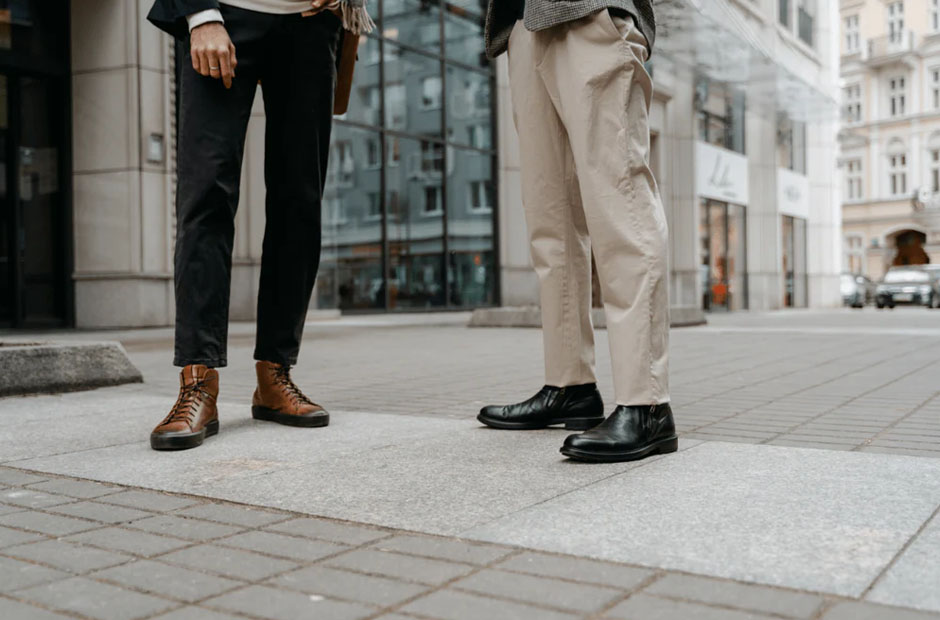
Start with the basics. Chelsea boots if you want something sleek. Lace up boots if you prefer a rugged feel. Chukka boots for something laid back that still looks intentional. All three can slide right into your weekly rotation.
Boots beat sneakers when the weather turns rough. Rain, cold, and uneven ground are no problem. They also pair well with jeans, heavy shirts, and jackets. The best part is that a well-made pair gets better the more you wear it. The leather softens. The shape molds to your foot. The whole boot starts to feel like it was made just for you.
If you live somewhere with winter weather, consider grabbing a separate pair designed for harsh conditions. Insulation, waterproofing, and a tough sole make a huge difference when the temperature drops.
Sandals and Slides
You will not wear sandals every day, but when you need them, you really need them. Beach trips, pool days, errands, and lazy weekends all call for something open and easy.
Pick a pair that supports your foot. Thin rubber flip flops are fine for quick use, but they can hurt your feet if you walk in them all day. Slides with thicker soles or sandals with straps give you more comfort and more control.
Also, know where sandals do not belong. Not at the office. Not at nice restaurants. Not at events where you would normally wear closed-toed shoes. Think of sandals as your casual, warm-weather backup, not your main footwear.
Seasonal and Specialty Footwear
Some pairs exist for specific situations, and while you may not wear them every week, having them ready makes life easier.
Winter boots are worth it if you live somewhere cold. They keep you warm, dry, and upright on icy sidewalks. Hiking shoes are great if you spend time outdoors. They protect your feet and give you traction that regular sneakers cannot match. And yes, even a pair of reliable house slippers with real grip can upgrade your mornings more than you might expect.
These pairs are not essential for everyone, but they can be essential for you depending on your lifestyle.
How to Build a Balanced Rotation
A great rotation does not require a massive collection. You just need the right pairs. Start with the essentials you will use most. Everyday sneakers. Smart casual sneakers. One pair of dress shoes. One pair of men’s boots. Then add training shoes and seasonal footwear as needed.
Avoid buying multiple pairs that do the same job. If you already have a clean white leather sneaker, you probably do not need two more that look almost identical. Instead, aim for variety in function.
Also, take care of your shoes. Wipe off dirt periodically. Rotate your pairs so they can air out. Store them in a dry place. These small habits keep your shoes looking sharp and help them last longer.
Final Thoughts
Building a solid footwear lineup is not complicated. You just need smart choices and a few dependable pairs. Once you cover the basics, you will feel more prepared for whatever your week throws at you. You will look more put together too.
Shoes set the tone for everything else you wear. Get the essentials right, and the rest of your style falls into place naturally.