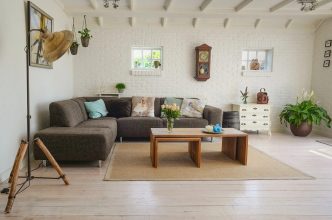
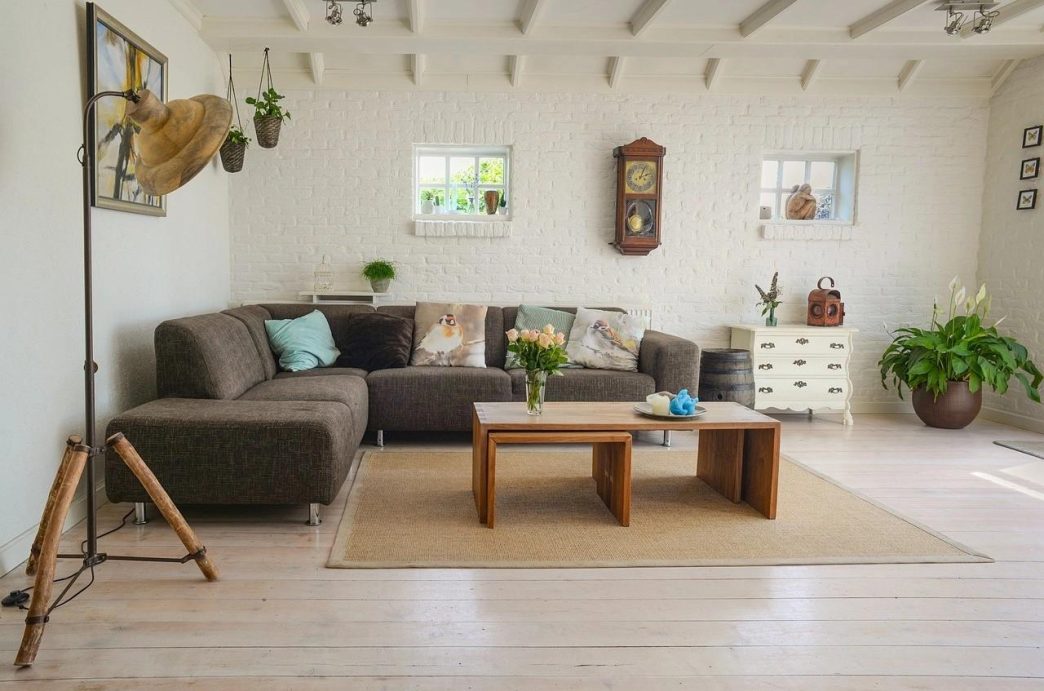
Wall art decor does far more than fill empty space. It brings warmth, depth, and character that can turn any room into a true reflection of your style. When chosen with intention, it becomes one of the most powerful elements in shaping the atmosphere of a home.
Thoughtfully arranged artwork achieves three important effects. It creates visual interest, strengthens the sense of comfort, and reveals your personality in a subtle yet meaningful way. As a general guideline, artwork above furniture looks most balanced when it covers about two thirds to three quarters of the available wall area. This proportion helps a room feel cohesive and professionally styled.
The right pieces contribute much more than decoration. They offer an opportunity to express your individuality while enhancing the overall design of the space. Shapes, textures, and artistic styles work together to build inviting, curated walls that welcome you in.
In this guide, I will share a professional approach to choosing and arranging wall art so your home feels thoughtful and complete. You will learn how to transform plain walls into warm, stylish focal points through techniques such as layering textures and creating visual anchors.
Why Wall Art Matters in Cozy Interiors
Wall art breathes life into cozy interior design. It turns simple spaces into personal sanctuaries. These pieces are nowhere near mere decorative elements – they are vital design components that alter how a room feels and works.
Creates a sense of warmth and personality
Wall art is a chance to weave your personal story into your living spaces. Studies show that viewing meaningful artwork can boost feelings of pleasure by up to 38% – perfect when you want to relax before bedtime.
Your chosen pieces showcase who you are and what you value. Photo displays and artwork turn your walls into a personal gallery of memories that make your home uniquely yours. Each piece narrates a story about your experiences, values, and artistic priorities. This creates an environment that strikes a chord emotionally.
Botanical prints and landscape paintings bring serenity and outdoor connections to your space. Living rooms come alive with vibrant or eclectic pieces that boost social interaction and mood. Soft color palettes and calming themes in bedroom artwork help create a peaceful sanctuary.
Adds depth and visual interest to plain walls
Bare walls feel uninviting without decorative elements. Well-chosen wall art immediately fills these empty spaces and sets the room’s mood.
Wall art becomes the focal point in interior design that guides viewers’ expectations. A striking piece above your bed or fireplace mantle brings the space to life instantly.
Texture plays a significant role in this transformation. Different art media add visual weight to your interiors. Rough textures create coziness, while smooth surfaces establish sleek atmospheres. Your space becomes rich and layered when you mix wood, fabric, metal, and paper elements.
Three-dimensional wall pieces create visual interest that flat prints can’t match. This added dimension makes your space dynamic and engaging. Ordinary walls become extraordinary features that anchor your entire design.
Start with a Focal Point
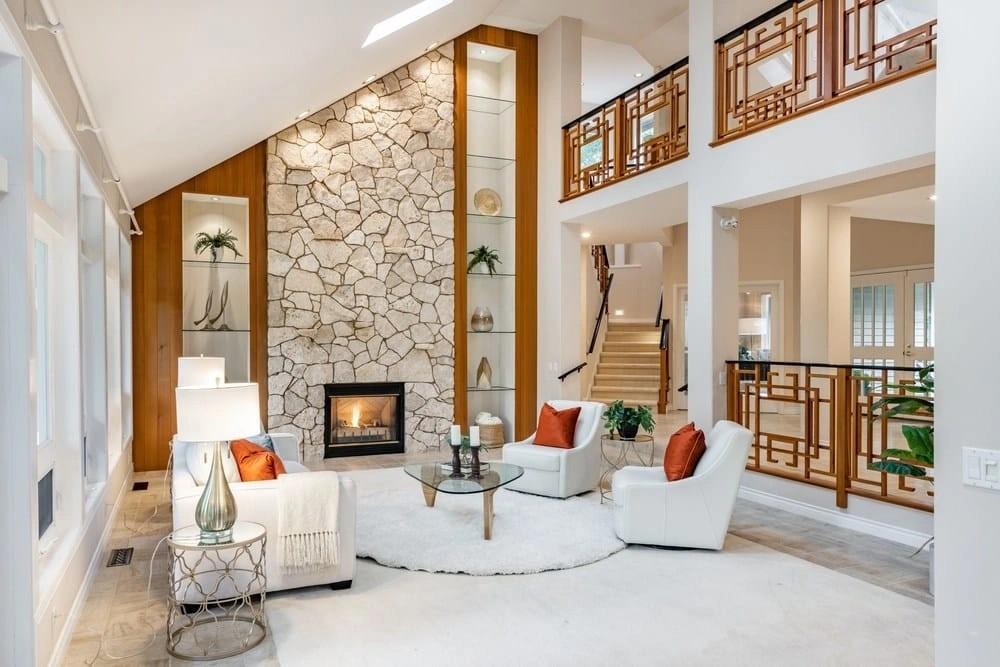
A focal point anchors your design scheme and gives your eyes a natural resting place before they take in the rest of your space. Every room needs this visual anchor to set the tone and create balance.
Choosing a large artwork or mirror
Large-scale pieces make powerful statements that define a room’s character instantly. Many homeowners prefer using horizontal canvas wall art in these areas because its wide format creates a balanced look above furniture. Your artwork should fill about two thirds to three quarters of the wall space to achieve the strongest effect. A large painting or print above a sofa or console delivers an immediate visual impact, especially when placed at eye level, around 57 to 60 inches from the floor.
Mirrors also work as excellent focal points since they reflect light through the room and create an impression of more space. Positioning a mirror opposite or perpendicular to a window can brighten an entire area. When used intentionally, a well-placed mirror can make even a small room feel significantly larger.
Using shelves as anchors for smaller pieces
Floating shelves give you great flexibility to display smaller artwork without multiple nail holes. Instead of hanging several individual pieces, a shelf lets you lean and rearrange frames easily. This setup makes it simple to change your display with the seasons without wall damage.
Start with a bold central piece as your foundation when you style shelves. Place shorter objects in the middle and taller items at the ends. This arrangement naturally draws your eye across the entire shelf. Layer smaller objects in front of larger ones to add depth and dimension to your display.
Positioning tips for living rooms and bedrooms
Your living room artwork should sit above seating areas to create eye-catching focal points. Keep it 8-12 inches above the sofa. The frame width should never exceed the furniture width beneath it.
Bedrooms typically feature artwork above the headboard as the focal point. Pick pieces with soothing neutral tones that help you relax. Art without furniture beneath needs to sit at eye level – this prevents it from looking disconnected or overwhelming.
Note that scale plays a crucial role. Large wall art looks stunning on big walls, particularly in rooms with high ceilings. While these guidelines help create focal points, trust your instincts about what feels balanced in your space.
Layering Textures and Materials
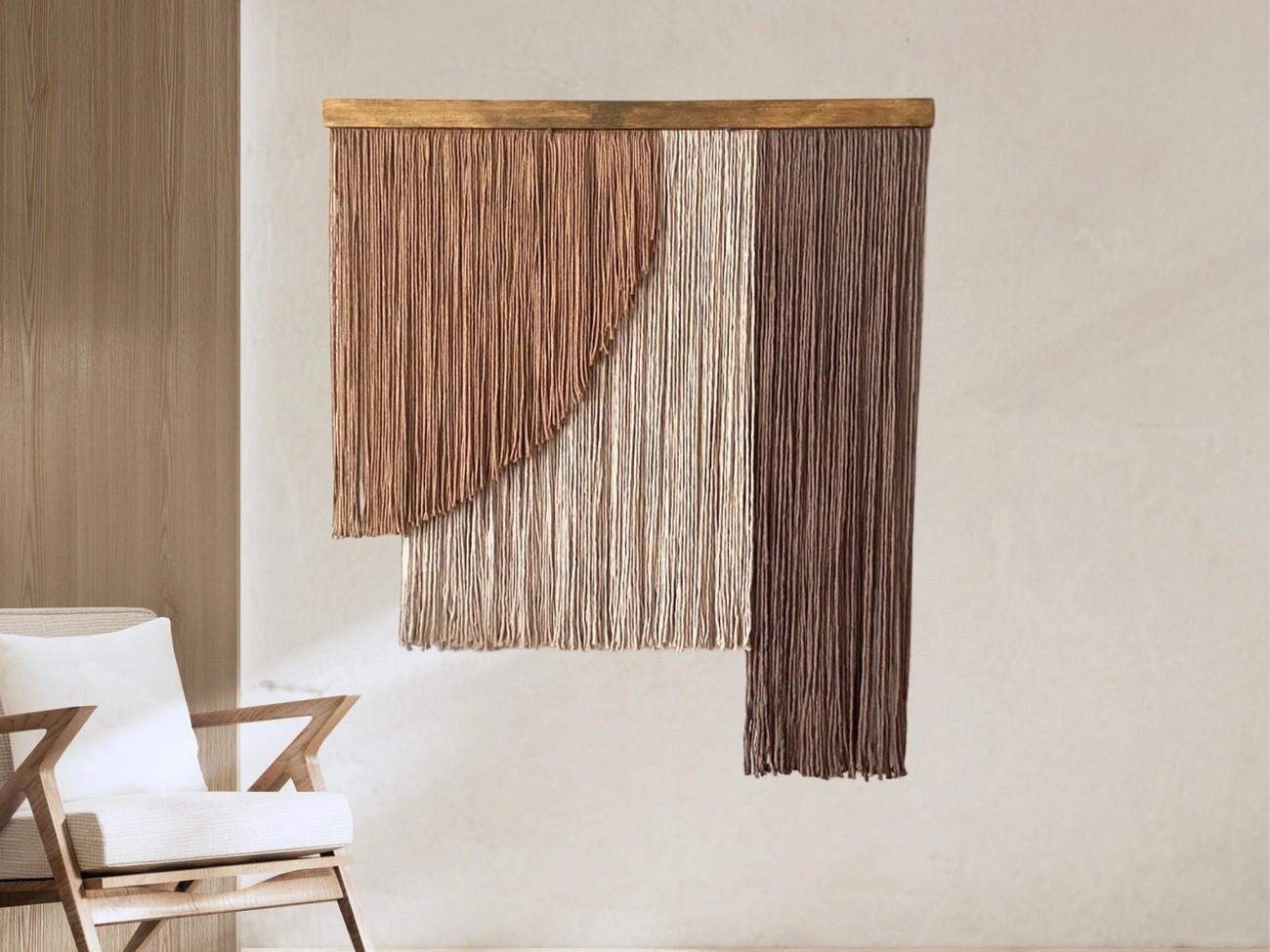
Texture brings walls to life in ways that simple paint cannot achieve. A cozy interior relies on materials that complement one another while creating interesting visual contrasts. You can build this effect through a mix of elements that work together naturally:
- Blend wood, fabric, and metal to create balance. Metal artwork introduces structure and cooler tones, while wood adds warmth that softens the overall look. Placing a sleek metal piece above a reclaimed wood console is a classic example of how contrasting materials enhance one another.
- Use textiles such as macrame and tapestries for softness. Handcrafted fiber pieces add depth through detailed knotting and weaving. Cotton, jute, or hemp textiles bring a sculptural quality that suits both bohemian and contemporary interiors.
- Mix canvas and framed paper prints for contrast. Canvas contributes a natural, glare-free finish that works well in relaxed spaces, while framed paper prints introduce refinement. The combination gives your walls a beautiful interplay of warmth and structure.
- Rely on texture to add visual warmth. Textured art breaks up plain surfaces and complements clean, modern lines. This added dimension balances cooler materials such as glass and metal, creating interiors that feel more intimate and inviting.
Balancing Function and Style
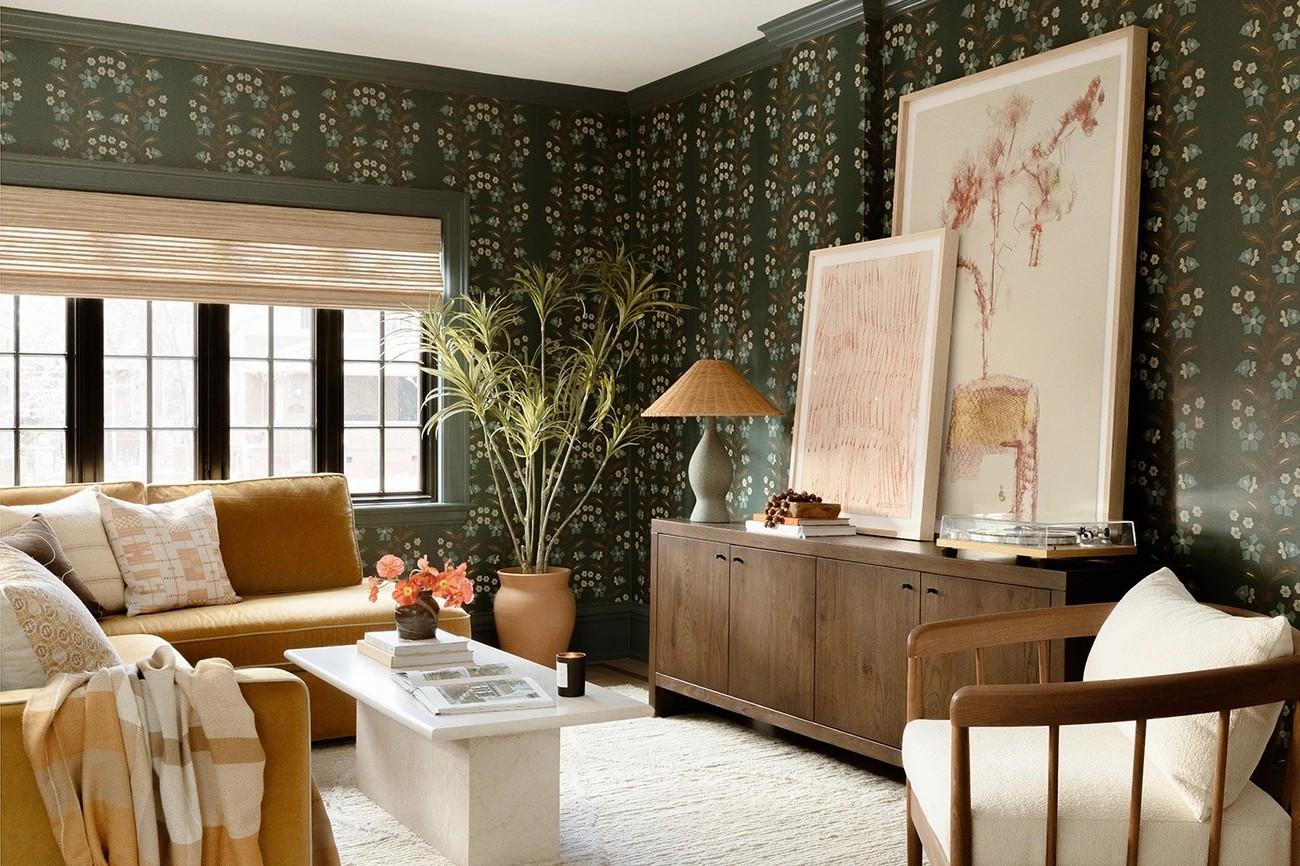
Beautiful wall art brings more than visual appeal. It can also support everyday living when paired with practical elements that enhance comfort and organization. Blending style and function creates spaces that feel thoughtful, efficient, and inspiring. You can achieve this balance through the following ideas:
- Include wall-mounted lighting to highlight your art. Picture lights draw attention to favorite pieces, sconces beside mirrors offer balanced illumination, and adjustable swing arm lamps provide targeted lighting for reading or accent areas. The right lighting elevates even simple artwork and enriches the atmosphere of the room.
- Use pegboards and hanging planters to add both order and charm. Pegboards turn plain walls into adaptable storage systems. Their flexible layouts allow you to display photos, organize supplies, or create a stylish office feature. Hanging planters introduce greenery and help maximize vertical space while bringing a fresh, natural touch.
- Choose decor that merges beauty with utility. Floating shelves hold essential items while showcasing decorative pieces. Wall-mounted accents that include storage keep daily necessities accessible without sacrificing style. When function and aesthetics work together, spaces feel harmonious and effortless.
A Final Touch of Intention
Creating a cozy and expressive home is less about following strict rules and more about understanding the power of thoughtful choices. When you select art that reflects who you are, your walls begin to speak with warmth and clarity. Each piece becomes part of a larger story that shapes the way your rooms feel and the way you experience them every day.
As you experiment with scale, texture, and placement, you will start to notice how small adjustments can transform the atmosphere of an entire space. Art that resonates with you has a remarkable way of grounding a room while making it feel more inviting.
Let your instincts guide you as you build your collection. When each item carries meaning and purpose, your home gains a sense of comfort that cannot be created through furniture and paint alone. Your walls are an open canvas that can support your lifestyle, inspire your routines, and strengthen the feeling of belonging each time you step inside.