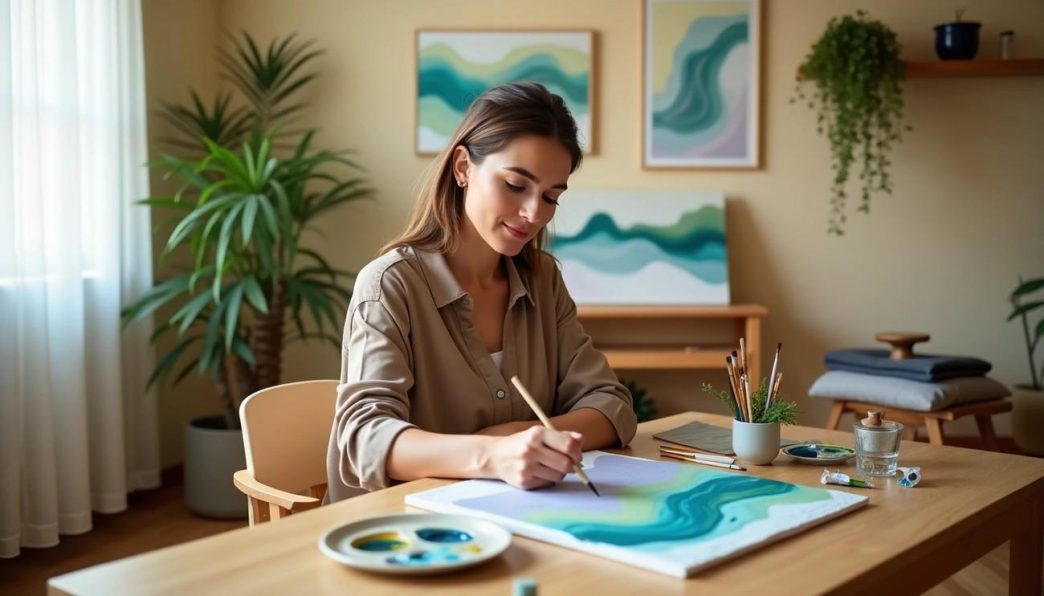
Art therapy reveals how creativity can shape emotional well-being. Studies show that just 45 minutes of daily art-making can lower cortisol levels and reduce stress. During the COVID-19 pandemic, creative activities helped people stay calmer and more connected when traditional coping methods fell short. What makes art therapy unique is its measurable effect on the brain—it increases serotonin, improves blood flow, and helps regulate emotions in ways medication or conversation sometimes cannot.
This piece uncovers the science behind how art therapy reshapes our minds, explores its key forms, and shows how you can apply these techniques in daily life to support mental clarity and emotional strength.
The Science Behind Art Therapy and the Brain
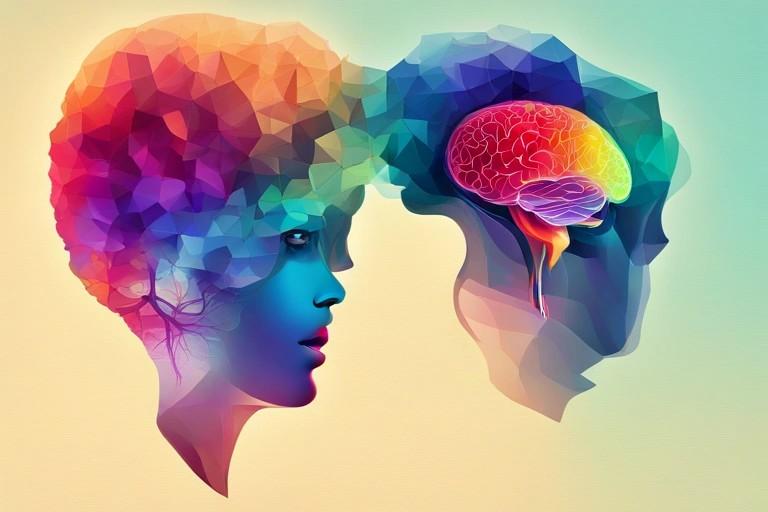
The human brain changes remarkably during artistic creation. Recent neuroscience research shows art therapy does more than just help us relax. It deeply affects our neural systems.
How art affects brain chemistry
Your brain does amazing things when you sketch, paint, or sculpt. Art creation turns on sophisticated neural networks that connect perception, cognition, and emotion. Here’s what happens when you participate in art:
- Your brain’s perceptual systems process sensory information through multiple pathways
- The default mode network activates, supporting imagination, empathy and personal meaning
- Different art forms stimulate specific brain regions—drawing activates the prefrontal cortex while clay work engages tactile processing in the parietal lobe
Scientists now use advanced technologies like fMRI and mobile sensors. These tools measure changes objectively by tracking brain activity and heart rate variations during art creation.
The role of serotonin and dopamine
Your brain releases powerful feel-good chemicals when you create something artistic. The rhythmic, repetitive hand movements in art-making trigger serotonin, dopamine, and oxytocin release. These neurotransmitters work together to:
- Create sensations of pleasure and positive emotions
- Boost motivation and mood elevation
- Counteract depression and anxiety symptoms
Yes, it is true that a brief 45-minute creative session increases blood flow to the brain’s reward center—the medial prefrontal cortex. This happens whatever your artistic skill level, which means anyone can experience these neurochemical benefits.
Neuroplasticity and creative engagement
Art therapy promotes neuroplasticity—knowing how to reorganize and form new neural connections. This might be the most exciting part. Creative activities challenge your brain to adapt, which strengthens existing pathways and develops new ones.
Research shows people with higher creative aptitude have greater white matter connections between brain hemispheres. Creative experiences also activate specific brain regions like the striatum and ventral tegmental area that are linked to reward and motivation.
Art therapy is a chance to heal because creative participation helps reorganize brain activity patterns damaged by trauma or mental health conditions. This restructuring process supports recovery while boosting cognitive flexibility, emotional resilience, and overall well-being.
Types of Art Used in Therapy and Their Unique Benefits
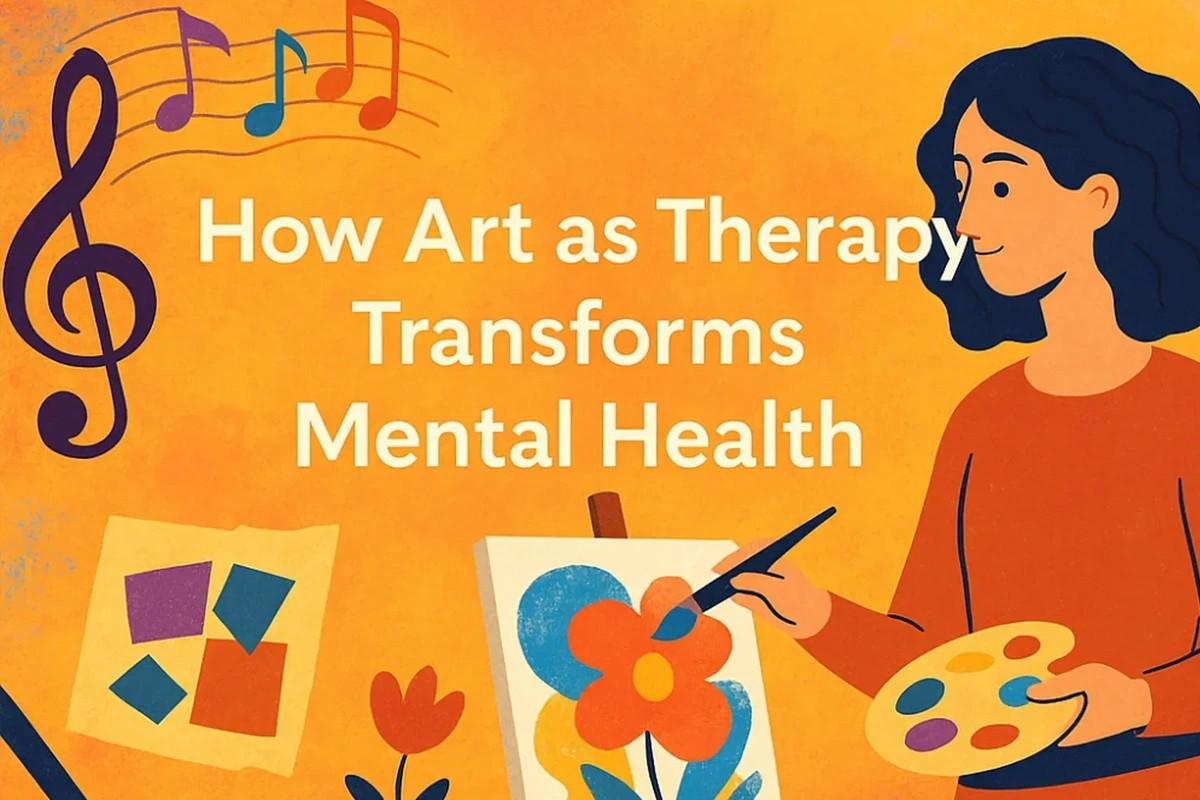
Art therapy works differently for everyone. Creative mediums help people heal in unique ways, and each offers specific benefits for mental health. Here are four powerful forms of art therapy that professionals use to help with emotional needs.
Drawing and painting for emotional release
Putting pen to paper or brush to canvas creates a safe space to express difficult emotions. You can try painting while following inspirational images or nature scenes, creating mood-based abstract sketches when words fall short. You can even try beautiful kits from Number Artist to make paint by number art.
Visual art therapy helps people in several ways:
- People feel more valuable and develop better self-esteem through visual and symbolic expressions
- Participants describe it as a “judgment-free zone” where they can experiment, express, and feel freely
- The creative process helps when words fail to express thoughts and feelings
Research shows visual art therapy works especially well when you have anxiety disorders. It reduces anxiety symptoms and helps people control their emotions better.
Sculpting and clay work for grounding
You can start with simple pottery projects, clay modeling of everyday objects, or pressing textures into clay tiles to bring focus back to your senses. The tactile feedback of shaping, smoothing, and reshaping clay naturally keeps your attention in the present moment and eases mental restlessness. Clay provides a unique experience that helps people stay grounded:
- Working with clay awakens multiple senses at once, keeping your attention in the present moment
- The repeated motions of shaping clay activate the same brain pathways as meditation, creating what scientists call a “flow state”
- Physical manipulation helps relieve stress and express creativity, making overwhelming emotions easier to handle
Clay therapy lets people turn their inner feelings into objects they can see and touch, making abstract emotions concrete and real.
Music and sound for mood regulation
You might create playlists for specific moods, learn to play a simple instrument like the ukulele or piano, or record your own soundscapes using daily objects and voice. Each activity encourages rhythm and presence, which naturally guide your body toward calmness and focus. Music therapy employs sound’s natural ability to change emotional states:
- People choose music that matches their desired emotional state to move toward positive feelings
- This works through “entrainment” – music’s rhythm can regulate how our body functions
- Music helps calm anxiety and stress responses at a psychological level
Dance for trauma release
Even simple movements help—slow stretching to gentle music, expressive dance sessions in private, or guided movement therapy led by a professional. These forms reconnect body and mind, allowing emotions stored in physical tension to surface and release safely. Dance therapy brings unique benefits for processing trauma:
- It activates both mental and physical processes like coordination and emotional expression
- People reconnect with their bodies and reclaim them after trauma through dance
- Dance helps develop relationship skills, see traumatic events differently, and express emotions stored in the body
Dance therapy becomes vital for trauma treatment because the brain’s language centers often shut down during high anxiety or distress.
Proven Mental Health Benefits of Art Therapy
Research shows art therapy is a powerful way to improve mental health. The benefits are way beyond the reach and influence of just feeling good—you can measure these benefits in many aspects of wellbeing.
Reducing stress and anxiety
Studies show 75% of participants have lower cortisol levels after just 45 minutes of making art. This stress reduction happens whatever your artistic skill level. Research proves that 81.1% of studies reported notable improvements through creative arts therapies.
- Art therapy gives you a break from chaos
- Making art creates a “flow state” that helps you leave worries behind
- Working with clay gives you grounding sensory experiences that calm your nervous system
Improving emotional regulation
Art therapy helps you process emotions in three main ways: avoiding difficult feelings, exploring emotions, and supporting self-development. The creative process lets you turn physical sensations into emotional concepts and express them through symbols.
Boosting self-esteem and self-awareness
Making art builds confidence through better autonomy and self-expression. Art therapy gives you:
- A safe space for personal expression
- Freedom to choose materials and techniques
- Ways to build self-worth by being seen and understood
Supporting trauma recovery
Art therapy creates unique healing paths for trauma survivors. Visual, hands-on art helps patients safely access traumatic memories. Veterans say ceramic art therapy becomes “a huge lifesaver” for processing military trauma.
Enhancing cognitive function
Research proves art therapy boosts cognitive performance in healthy older adults and people with mild cognitive impairment. Studies reveal notable improvements in memory, attention, visuo-spatial abilities, and executive function. These benefits last over time.
How to Start Using Art Therapy in Daily Life
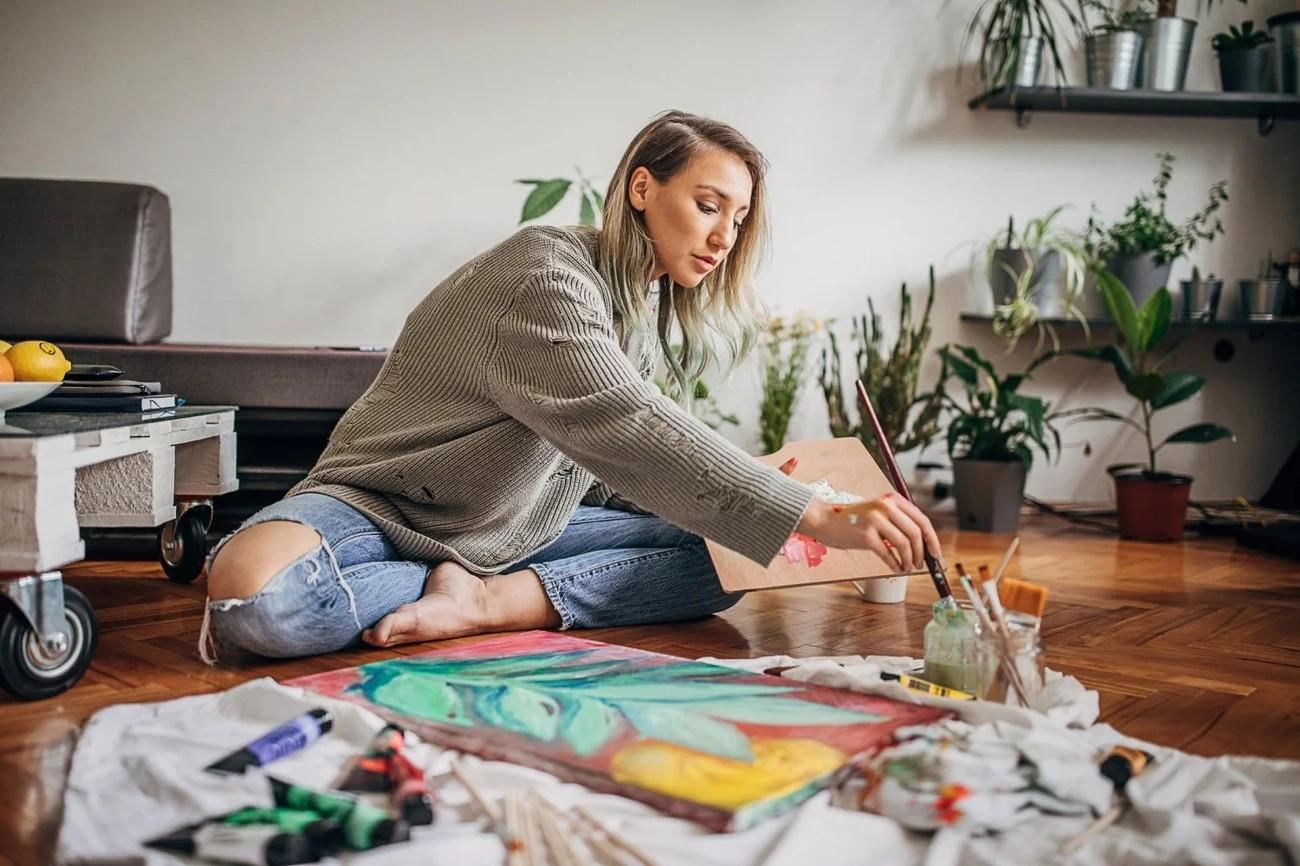
The beauty of art therapy lies in how available it is to everyone—you don’t need to be a professional artist or have any special talent to experience its powerful mental health benefits. You can start incorporating therapeutic art practices into your daily routine with just some simple supplies and the right approach.
Choosing the right medium for you
Your ideal art form depends on several factors:
- Availability – Start with materials you already have at home
- Familiarity – Think about mediums you’ve enjoyed before, even from childhood
- Sensory priorities – Some people love the tactile feel of clay, while others prefer the smooth glide of oil pastels
Note that expression matters more than creating a masterpiece. Even simple doodling or coloring can give you a lot of stress relief.
Creating a mindful art space
Having a specific area for art-making increases your chances of actually doing it by a lot:
- Claim a corner, closet, or even part of your dining table
- Make sure you have good lighting (natural light is ideal)
- Keep supplies in easy-to-reach containers
Small spaces work just fine—a fold-down table, a rolling art cart, or a portable art kit can turn any area into your personal studio.
Setting intentions before creating
Take a moment to set an intention for your creative session before you begin. This mindful approach helps you:
- Connect more deeply with the creative process
- Focus on healing rather than artistic outcomes
- Stay present throughout your art-making
Your intention might explore a specific emotion or simply focus on enjoying the creative process.
Reflecting on your artwork
Look at your work from different points of view after creating. Professional art therapy explores meanings together—a process that the therapist helps with but you lead. At home, you can:
- Notice what colors, shapes, or themes emerged
- Think about what emotions came up during creation
- See what your art might be expressing
This reflection turns simple art-making into a powerful tool to find yourself.
When to seek a professional art therapist
Self-directed art can be beneficial, but some situations need professional guidance. You might want to work with a trained art therapist when:
- You’re processing trauma or significant mental health challenges
- You want structured therapeutic support
- You need help to understand your creative expressions
Look for credentials like ATR (registered art therapist) or ATR-BC (board-certified art therapist) when asking for professional help.
Conclusion
Art therapy represents the meeting point of creativity and neuroscience. It is not limited to those with artistic training—anyone can experience its power. Studies confirm that even short creative sessions can lower stress hormones, release dopamine and serotonin, and support long-term emotional regulation. Through drawing, music, or movement, art therapy strengthens neuroplasticity, helping the brain form healthier pathways after trauma or prolonged anxiety.
The beauty of this practice lies in its accessibility. You can begin with simple materials at home, focus on expression rather than outcome, and let the process unfold naturally. Over time, you may notice clearer thinking, steadier emotions, and renewed motivation.
Healing does not always come through words. Sometimes, it starts with colors, textures, or sound. Science now confirms what artists have known for centuries—creating art reconnects us with ourselves, transforms pain into understanding, and leads us toward balance that lasts.