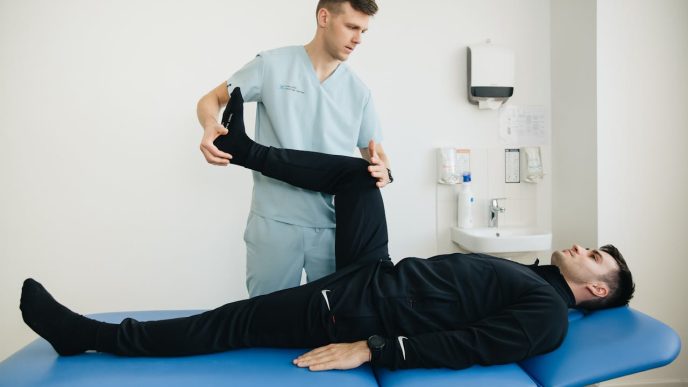
Wellness is changing faster than ever. What once centered on basic nutrition, fitness, and rest has expanded into a much broader conversation about cellular repair, oxygenation, inflammation control, and long-term vitality. As people look beyond traditional self-care and explore more science-driven solutions, advanced recovery tools have begun moving from specialty clinics into mainstream awareness. This shift is one reason so many individuals are turning to medical-grade providers like Morelli Medical, whose innovative technologies reflect a growing desire for deeper, faster, more targeted recovery. What emerges is a new landscape in which recovery is no longer an afterthought, it is a central pillar of modern wellness.
This movement isn’t fueled by trends alone; it stems from a clearer understanding of how the body responds to stress, strain, and daily pressures. As science reveals more about tissue regeneration, oxygen delivery, nervous system regulation, and the cellular repair cycle, people are beginning to view recovery not as passive rest but as an active, intentional process.
Why Recovery Has Become a Core Wellness Priority
For decades, wellness culture placed most of its emphasis on performance, running faster, lifting heavier, working longer, managing more. But this approach left a growing number of people burnt out, overextended, and struggling with chronic fatigue or pain. The culture of nonstop output has pushed many to rethink what balance actually means.
Science has been instrumental in redirecting the conversation. Studies from organizations such as the National Institutes of Health continue to show that recovery is not merely downtime; it is when the body performs essential repairs, replenishes energy systems, restores hormonal balance, and reduces inflammation. Without proper recovery, gains in strength, cognition, and emotional resilience never fully take hold.
This understanding has turned recovery into an active pursuit, one where people intentionally shape their routines to support their body’s ability to heal.
The Rise of Technology-Supported Healing
As understanding deepens, the tools used to support recovery have evolved dramatically. What once required hospital settings or specialized rehabilitation centers is now being adapted for broader wellness use. Hyperbaric oxygen therapy, red-light technologies, cryotherapy, neuromuscular stimulation, and other sophisticated modalities are becoming accessible in ways that were unimaginable a decade ago.
These technologies offer something that traditional rest cannot: controlled, measurable environments designed to stimulate specific biological responses. Instead of waiting for the body to recover on its own timeline, people can now support processes that accelerate healing, reduce inflammation, and enhance cellular function.
Advanced recovery technologies are not replacements for sleep or nutrition, they are amplifiers. They create conditions where the body can enter its regenerative modes more efficiently.
Hyperbaric Therapy and the Growing Interest in Oxygen-Based Recovery
Among the most notable advancements is the renewed attention to oxygen-based therapies. Hyperbaric chambers, once reserved primarily for wound care or diving medicine, have moved into the wellness spotlight as research demonstrates their potential to support a wide range of recovery processes. Increased atmospheric pressure allows the body to dissolve more oxygen into the bloodstream, delivering it deeper into tissues that may struggle under normal conditions.
These shifts create an environment where healing accelerates. Oxygen becomes a tool not only for recovery from injury but for enhancing everyday vitality. Individuals seeking faster tissue repair, improved energy, and better cognitive clarity are turning toward this form of therapy as part of their long-term wellness routines.
What sets this moment apart is accessibility. Instead of relying exclusively on hospitals, people now explore consumer-friendly models, supported by trusted medical providers, that make this once-specialized therapy part of regular recovery.
Red-Light and Infrared Therapy as Tools for Deep Cellular Repair
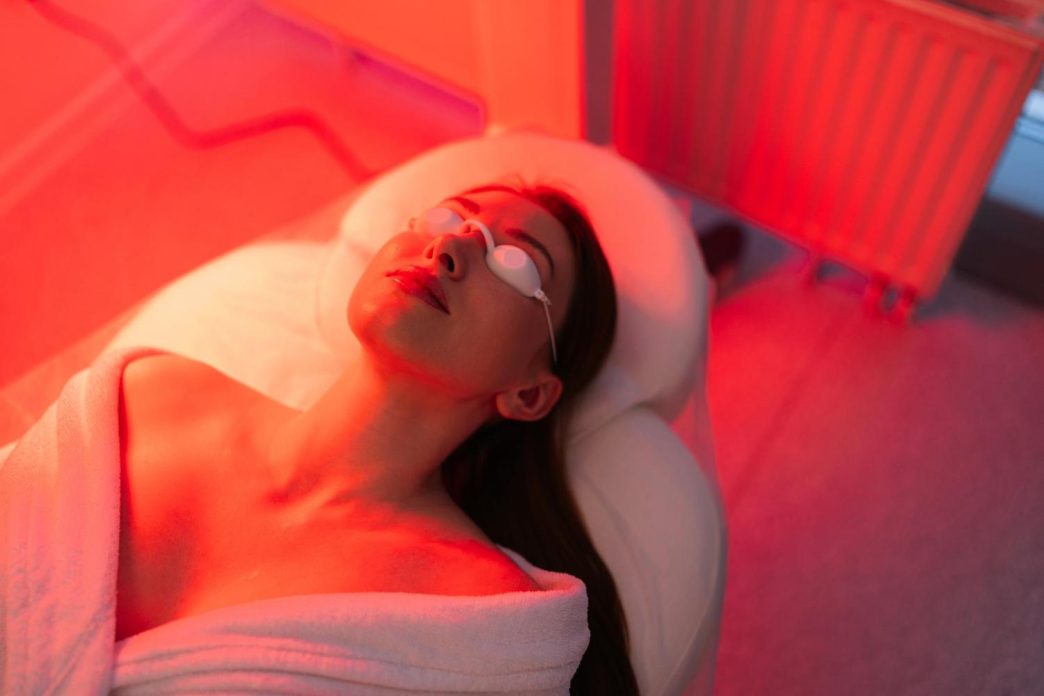
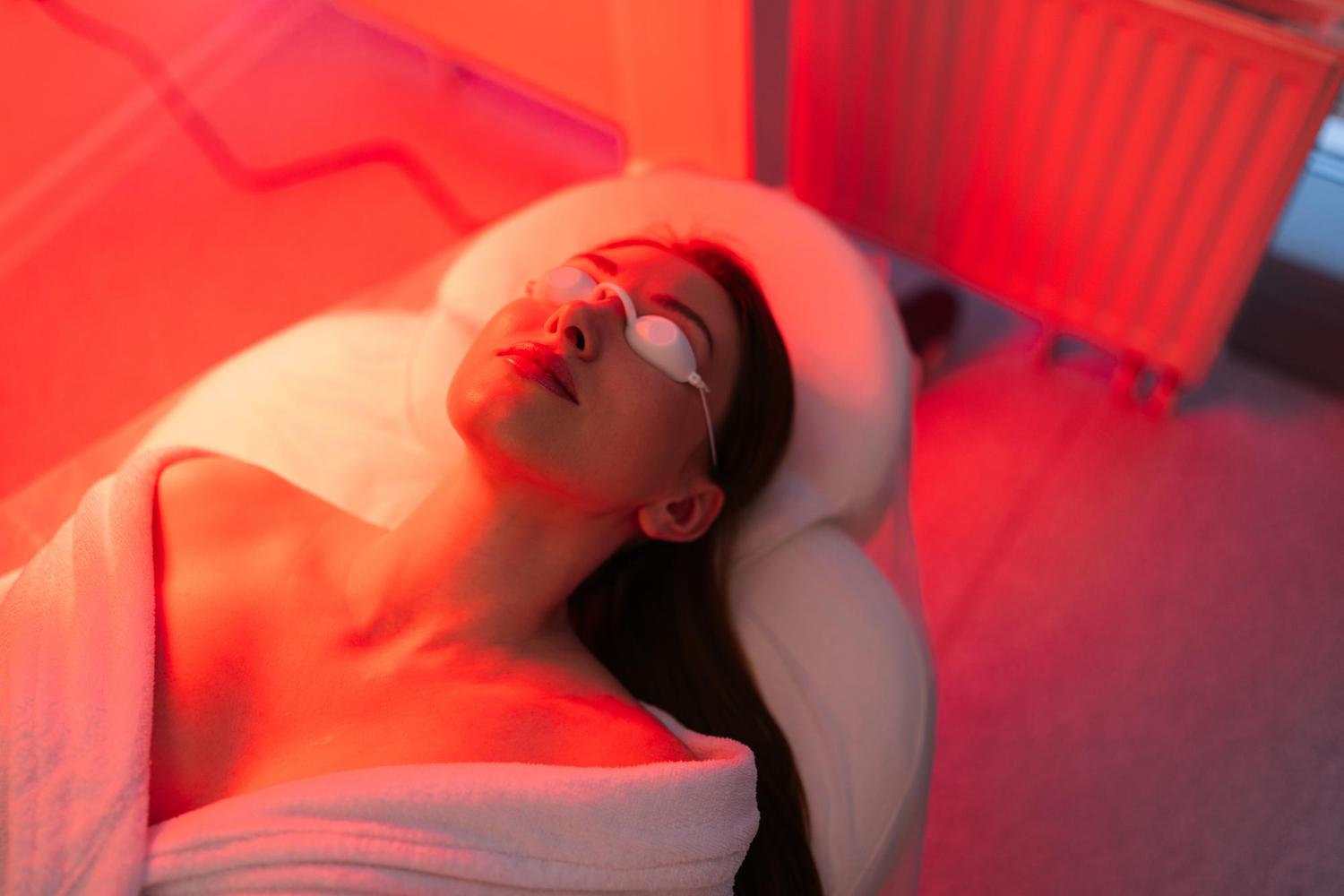
Another emerging technology shaping the future of recovery is red-light and infrared therapy. These modalities use specific wavelengths of light that penetrate the skin and stimulate mitochondrial activity. Because mitochondria are the powerhouses of the cell, supporting them enhances the body’s ability to produce energy and repair itself.
People who once turned only to massage, stretching, or simple rest are now exploring these technologies to help reduce soreness, improve circulation, and support long-term cellular health. Although these tools do not replace traditional recovery, they create opportunities for the body to rebuild at a deeper level.
The Nervous System: The New Frontier of Recovery
One of the most important developments in modern wellness is the recognition that recovery is not just physical. The nervous system determines how well the body heals, how resilient it feels, and how effectively it manages stress. Technologies designed to regulate or reset the nervous system, such as vagus nerve stimulation, breathwork devices, and low-frequency neuromodulation, are gaining traction.
These tools help the body transition from a stress-driven state into a restorative one, where recovery mechanisms activate more efficiently. They complement physical therapies by addressing the emotional and neurological layers of fatigue that traditional recovery methods often overlook.
Why Consumers Are Embracing Advanced Recovery Tools
The appeal of these technologies lies not only in science but in practicality. People want approaches that fit into modern life, where schedules are tight, stress is high, and demands are constant. Advanced recovery tools make it possible to support deep healing without spending hours in traditional recovery settings.
There is also a growing appetite for experiences that feel tangible. Many individuals appreciate being able to step into a hyperbaric chamber, sit beneath a red-light panel, or experience targeted pressure changes because these environments signal clearly that recovery is taking place. They offer a sense of participation rather than passive waiting.
The Integration of Technology Into Holistic Wellness
What defines this moment in wellness is not the presence of advanced technologies but their integration into broader self-care routines. People are combining deep restorative sleep, balanced nutrition, stress-regulation techniques, and physical activity with high-tech recovery modalities. This layered approach allows them to support the body from multiple angles.
The future of wellness is not about technology replacing natural processes. It is about technology supporting what those processes are already designed to do. The goal is balance, not optimization at all costs.
A Future Built on Regeneration, Not Exhaustion
The rise of advanced recovery technologies signals a cultural shift away from pushing harder and toward recovering smarter. As science continues to illuminate the benefits of oxygenation, light therapies, neurological support, and controlled recovery environments, individuals are beginning to see wellness as a regenerative practice rather than a corrective one.
This shift positions recovery as a source of empowerment. It encourages people to understand their bodies with more clarity, respond to stress with more nuance, and prioritize healing rather than depletion. In this future, wellness becomes not just the absence of illness but the presence of resilience.