Future parking in urban areas may focus on integrating technology and improving efficiency through digital tools and management practices. The innovations help create convenient parking experiences in busy urban environments. Exploring the future of parking garages in urban areas involves the following:
Digital Systems
Digital systems in parking garages are designed to automate and streamline the parking process, and they can include:
- Automated entryways
- License plate readers
- Digital signage
- Mobile apps and online accounts
A garage that utilizes automated entryways and license plate readers at entrances and exits enables drivers to access the garage quickly. Digital signs display live feedback; this helps notify motorists of open spaces. They may be used in events to show real-time updates or temporary restrictions.
Garage management services offer opportunities for drivers to purchase parking passes through an app or online account. Some websites have loyalty programs that include digital parking passes and auto-renewal options for monthly account holders. Automated kiosks support digital payments to reduce wait times and improve efficiency alongside mobile apps and contactless systems.
Space-Saving Technologies
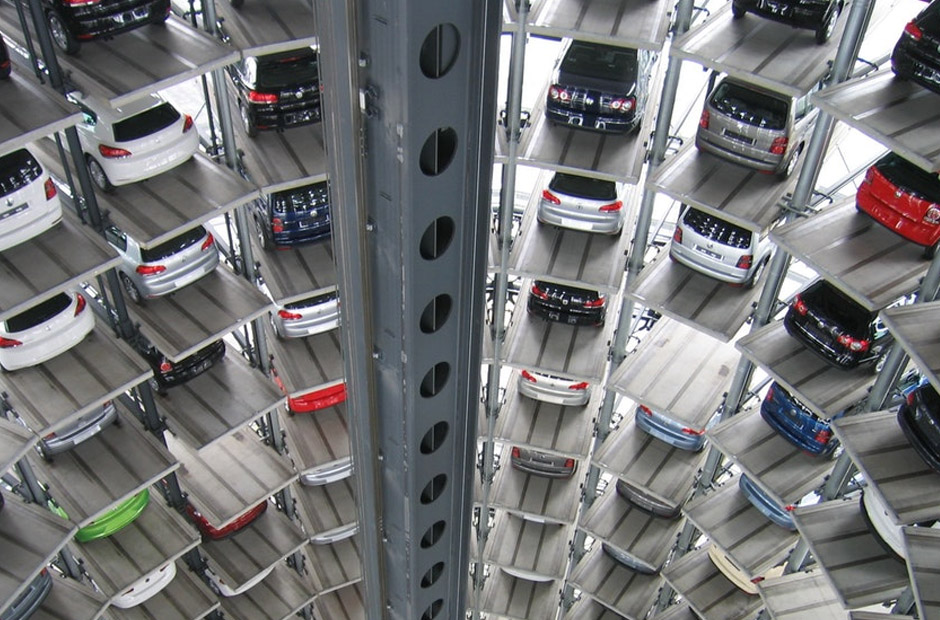
Space-saving technologies, such as automated lifts, use hydraulics or mechanical lifting mechanisms to raise and lower vehicles on platforms. This allows multiple cars to be parked in the same footprint as a single traditional space. These systems promote space optimization by removing the need for human movement within the parking area itself. Since people are not inside the vehicle once parked, the system reduces the width and depth of parking spaces. It eliminates the need for driving lanes and ramps within the main parking structure, and it can minimize the ceiling heights. These innovations allow a garage to increase its parking capacity within a smaller physical footprint. This may benefit busy urban areas where space for additional parking garages is limited.
Technological Analytics for Management
Management may use data collected from different systems to monitor operations and understand usage patterns. Data from sensors and cameras helps monitor real-time occupancy levels; this allows managers to see which areas are busy or underutilized. Reports provide insights into usage trends, such as average stay durations and the frequency of visits. Managers receive detailed reports that consolidate data on consumer behavior to identify areas of improvement. This may involve adjusting lighting in darker areas, planning maintenance schedules, or adding more amenities to meet demand.
Autonomous Vehicle Integration
Some owners of parking facilities are able to adapt the physical design and daily operations of garages to accommodate self-driving cars. Autonomous vehicle technology can potentially increase parking capacity by fitting cars into tighter spaces. This helps to improve safety by reducing human error during parking maneuvers.
Autonomous vehicle integration supports linkage with broader urban mobility by changing parking needs and connecting with other transport options. These vehicles may be able to drop off passengers in areas with limited parking and then park themselves in garages elsewhere. Customers are able to arrive at the front doors of their destinations, so they avoid spending additional time locating a parking facility. The garages may be situated in less busy areas, reducing the need for extensive parking in urban centers. By moving parked cars away from city centers, AV integration helps to improve traffic flow on urban streets.
Optimized Layouts
Urban garages employ optimized layouts; these may be designed to allow drivers to easily move in and out of parking spaces. Design choices such as angled spaces and directional stripping guide motorists and help them avoid sharp turns. Defined paths connecting the entry and exit points facilitate smooth travel throughout the garage. Grouped sections allow for the separation of different types of users, such as those with temporary stays versus longer durations. This can reduce overlap in traffic and allow users to find open spots more quickly. Tiered access helps reduce traffic bottlenecks at busy times. Management teams can create schedules with staggered entry times for different events or monthly pass holders.
Explore Parking Garages
Garages that are designed to be part of the broader urban fabric instead of remaining single-purpose structures help to support future development in cities. This includes plans for flexible buildings that could be repurposed in the future for non-parking or multi-purpose uses. Contact a reputable provider of professional parking management to learn more about what they offer.