Key Takeaways
- Utilize smart access control for streamlined and secure unit entry.
- Rely on standardized checklists to ensure thorough turnovers every time.
- Promote teamwork between maintenance and cleaning staff for efficient operations.
- Engage in preventive maintenance to minimize costly, last-minute repairs.
- Incorporate technology for better scheduling, communication, and tracking.
- Maintain competitive rental rates to attract and retain tenants.
- Offer renewal incentives to minimize resident churn.
- Foster transparent, proactive communication with tenants.
Managing apartment turnovers with precision and efficiency is crucial for property managers seeking to minimize vacancies and optimize profitability. Implementing the right strategies ensures new tenants move into units that are clean, maintained, and ready for occupancy, while also delivering a smooth experience for all parties involved. Whether overseeing a few rentals or multiple multifamily buildings, refining your turnover process, and partnering with experts in property management Campbell CA area, drives resident satisfaction and operational success. To learn more about specialized apartment turnover services, explore resources designed for property professionals.
One of the keys to successful turnovers lies in leveraging modern technology and structured workflows. By upgrading systems and standardizing procedures, property managers can accelerate every stage of the turnover, from move-out inspection to welcoming new residents.
Implement Smart Access Control Systems
Traditional key management methods are time-consuming and pose security risks. Adopting smart access controls allows property managers to remotely manage entry for contractors, cleaners, and leasing agents, reducing issues with lost keys and lock changes. Features such as time-limited digital access, entry logs, and mobile alerts enhance security, transparency, and flexibility, ensuring units are ready for tours and turnovers efficiently. Smart systems improve security while easing administrative tasks for property teams.
Develop Standardized Checklists
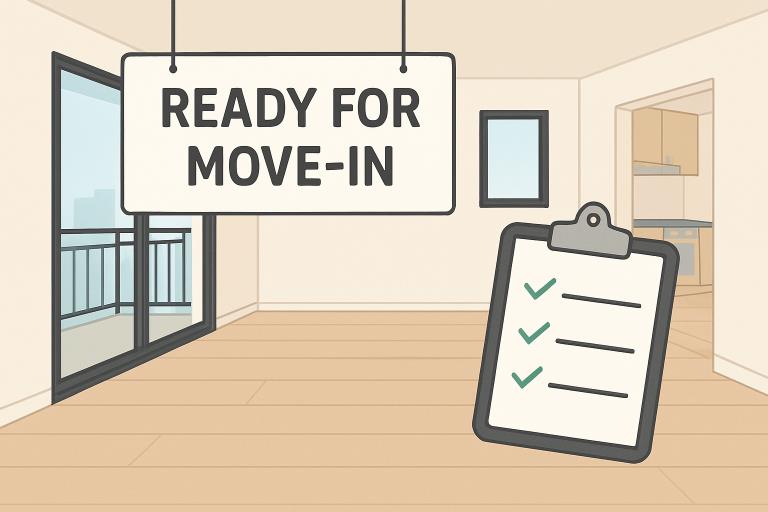
Checklists are vital tools for consistency. Using a detailed make-ready checklist allows managers to track progress, gauge turnaround times, and prevent missed steps. These lists typically cover cleaning, repairs, inspections, painting, and appliance checks—essential for delivering a rental that consistently meets or exceeds renter expectations.
For larger portfolios, digital checklists integrated with management software can further automate recordkeeping and notifications, driving efficiency from move-out to move-in. Employing best practices in property management, such as standardized checklists, is crucial to improving efficiency and profitability.
Foster Collaboration Between Maintenance and Cleaning Teams
Cooperation between maintenance and cleaning teams speeds up turnovers and prevents oversights. For example, a facility inspection at the start creates a punch list, ensuring maintenance is prioritized before cleaning. This coordinated process—first repairs, then cleaning—helps units stay on schedule. Such collaboration meets deadlines, boosts property value, and enhances the resident experience by making readiness and detail a standard part of turnover processes.
Implement Preventive Maintenance
Integrating preventive maintenance into your management plan cuts unplanned repair costs during turnovers. Regular inspections of HVAC, plumbing, and appliances—plus timely replacements and warranty use—improve efficiency. Companies like Premiere Property Services conduct quarterly checks to reduce wear and tear, lowering turnover expenses. Using warranties for items from faucets to appliances, as industry leaders suggest, saves money annually. Proactive maintenance is a cost-effective way to minimize tenant downtime.
Leverage Technology for Scheduling and Communication
Modern property management platforms provide a digital hub for scheduling, communication, and document management. Automated tools can streamline tasks like sending reminders, scheduling vendors, or accepting online maintenance requests. These platforms allow unparalleled visibility into what needs to be done and when, reducing bottlenecks and miscommunication among staff and vendors.
Tenant portals further contribute to satisfaction by keeping residents informed about timelines, expectations, and available services during and after turnover periods.
Offer Competitive Rental Rates
Setting rents that reflect the market ensures your property remains attractive to incoming tenants while encouraging renewals among current residents. Regularly review local rental data, compare amenities, and adjust rents to avoid pricing yourself out of the market or undervaluing your units. This balance helps maintain high occupancy and limits costly vacancies.
Provide Incentives for Lease Renewals
Lease renewal incentives—such as modest rent discounts, complimentary services, or property updates—fosters resident loyalty and reduces turnover. These perks often cost less than acquiring a new tenant and can lead to positive word-of-mouth and longer-term occupancy.
Improve Communication
Clear, accessible communication prevents misunderstandings and fosters a strong tenant-landlord relationship. Utilize various channels—from email to text to dedicated management portals—to keep lines open and responsive. Promptly addressing questions or concerns boosts satisfaction and engagement, leading to fewer turnovers and a better community reputation.
By incorporating these strategies—from smart access and preventive care to incentive programs and digital workflows—property managers can make every transition seamless. The result is a streamlined turnover process, lowered costs, higher occupancy rates, and improved tenant relationships year after year.
Final Thoughts
A well-planned turnover strategy is essential for maintaining smooth operations and maximizing rental success. By combining smart technology, standardized workflows, proactive maintenance, and strong communication practices, property managers can reduce delays, prevent unnecessary costs, and deliver consistent quality to residents. Prioritizing collaboration across teams and offering thoughtful tenant incentives further strengthens retention and supports long-term stability. Ultimately, an efficient turnover process not only elevates the resident experience but also enhances overall property performance.