Do you want to keep your family and home safe from potential hazards?
Chances are, asbestos is in your walls right now. And… drumroll please…
You can’t even see it.
This naturally occurring mineral has been considered a “miracle material” for decades because of its fire-resistant properties and durability. Builders and manufacturers have used it in excess. The result? This material is silently killing your family.
And the scariest part? You don’t know it’s there.
The microscopic asbestos fibres are the problem. When damaged or disturbed, materials can release tiny particles into the air. Before you know it, you (or your kids) are breathing it in. And at some point, without warning, the results are deadly.
When it comes to this silent killer, you need to know what you’re dealing with.
What you’ll learn:
- How Asbestos Kills
- Where To Find Asbestos In Your Home
- Why You Should Never DIY Asbestos Removal
- How To Safely Remove Asbestos
How Asbestos Kills
Let’s start with the big picture…
Asbestos kills. And according to BMC Public Health, cases of asbestos-related deaths are on the rise by 20% over the last 35 years.
These death rates continue to grow due to the toxicity of its microscopic fibres that get trapped in your lungs, causing major issues.
Asbestos fibres are so small that once inhaled, the body can’t clear them from your lungs. The particles will become trapped, eventually scarring your lungs, and over time can lead to deadly conditions.
These conditions include:
- Mesothelioma
- Lung cancer
- Asbestosis
These are some of the most common types of asbestos-related health issues, and they can take 20 to 50 years to be recognised.
This is why expert asbestos removal has become such a big deal in recent years. When you hire a professional asbestos removal team, you ensure the fibres are safely removed without being spread throughout the air.
According to the EWG Action Fund, 12,000 to 15,000 people die each year in the US from diseases related to asbestos.
Can you believe that?
This isn’t a thing of the past, these deaths are happening now, as you’re reading this article.
Where To Find Asbestos In Your Home
Here is one of the major fibres homeowners are not aware of…
If you live in a home built before 1980, chances are your home contains asbestos. According to the US Census Bureau, over half of the residential structures in America today were built before 1980.
This means that there are literally millions of homes in the US that could be a ticking time bomb.
The fibres are everywhere. They can hide within these spots:
- Insulation around hot water pipes, boilers, and ducts
- Floor tiles and even the adhesive used to install the tiles
- Popcorn ceilings – those super popular ceilings in the 1950s to 1980s
- Roofing materials and siding
- Wall textures and joint compounds
The problem is that you can’t see it. Asbestos fibres are microscopic, you can’t just point and go. “Ah, there is asbestos.”
The only way to know for sure is by testing the materials.
Thankfully, when the fibres are undisturbed and in good condition, it is generally safe.
However, when it is damaged, scraped, cut, drilled, or pried, this is when the fibres get disturbed and become a serious issue.
This is exactly why you need professional testing and removal. A professional team ensures that you do not disturb the fibres, making your home a health hazard when it wasn’t before.
Why You Should Never DIY Asbestos Removal
You’re thinking that you can do it yourself.
STOP.
DIY asbestos removal is one of the most dangerous things a homeowner can do. When you do not know how to remove the fibres properly, it will disturb the toxins and pollute your home.
Doing this on your own will not only put you at risk, but also every person in your home, including your family and your pets.
Professional asbestos removal is here for a reason. Professionals know exactly what they are doing and how to go about it in the right way.
Here are the steps the asbestos removal service specialists have to go through:
- Inspection and testing to determine the presence of asbestos-containing materials.
- Containment of the work area with plastic sheeting.
- Establishing negative air pressure to prevent fibre spread.
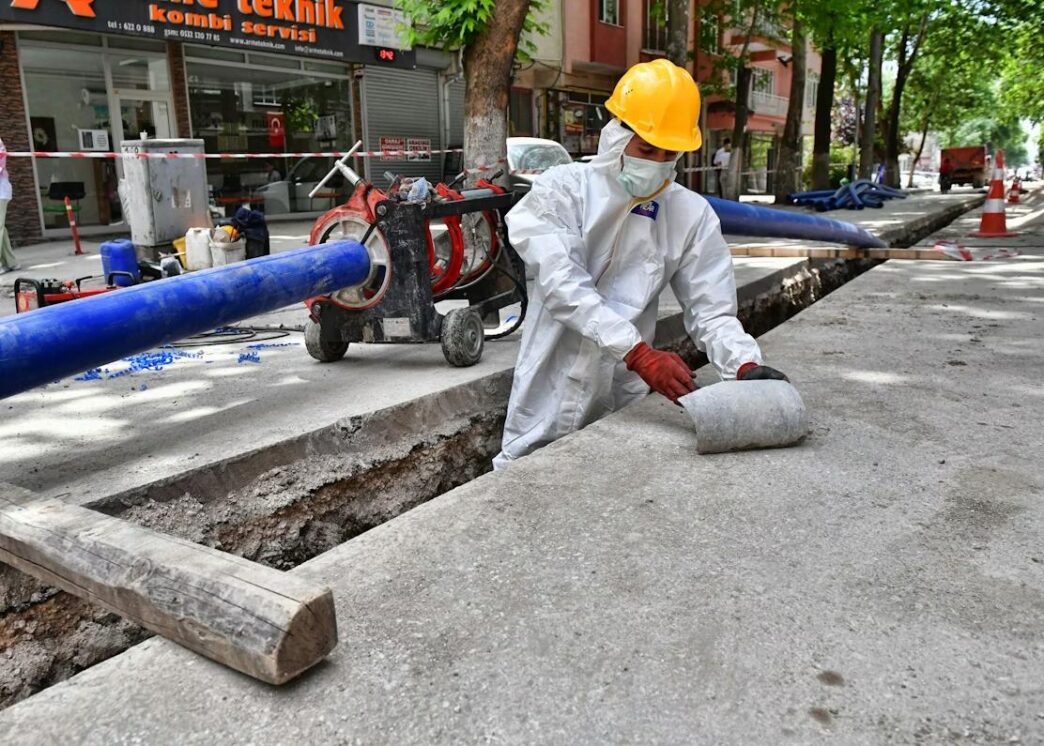
- Wearing proper protective equipment, including respirators.
- Safe disposal of asbestos waste at approved facilities.
Professional asbestos removal technicians follow strict federal and state regulations to prevent any exposure to you and your family. There is no way to cut corners when it comes to your life.
By disturbing the asbestos without having the proper protection and containment procedures, you are only increasing the risk by spreading fibres all over your home.
You now have a much bigger problem.
How To Safely Remove Asbestos
If you want to make sure that you’re doing the right thing when it comes to asbestos removal in your home, here is a step-by-step guide:
Step 1: Get a Professional Inspection
Do not touch anything.
The very first step is to hire a certified asbestos inspector. The inspectors will collect samples and send them to an accredited laboratory for testing.
Do not assume that your home does not have the fibres because they appear to be in good shape.
Step 2: Consider Your Removal Options
There are instances where the asbestos needs to be removed right away. However, there are also circumstances when the removal is not the best solution, especially if the materials are in good shape and will not be disturbed.
A certified asbestos inspector can help you determine the best course of action. Options can be to encapsulate or even just leave them alone and seal off the area.
Step 3: Hire A Licensed Contractor
Work with licensed and insured asbestos abatement contractors. Check for their credentials, including training certifications and references. Ask them about their containment and disposal procedures.
Step 4: Keep Family and Pets Away During Removal
During the actual removal process, keep your children and pets away from the work area. Asbestos removal companies will seal off the work area. However, the more precautions the better.
Ask the contractor if you should find a place to stay for the day, if the asbestos removal process is large in scope.
Step 5: Ask For Testing After Removal
After the asbestos is removed, have air quality testing done to ensure the area is safe. You can request that the company perform the air quality test after removal. If they cannot do it, find another company that does.
When it comes to asbestos removal, do not rush the process. This is a process that needs to be done safely and professionally and requires time.
Wrapping Up
Asbestos is a highly dangerous material that can be found in homes across the US. The toxins are so minute that you won’t even know it’s there until it’s too late.
Thankfully, there are ways to protect yourself and your family. The first thing to know is where the fibres are hidden. The next step is to know when you need professional help.
The last part is to follow proper removal practices when the time comes. It is critical that you have a professional team to take care of this hazardous job.
What we covered today:
- Asbestos causes diseases that are 20% higher over the past 35 years in the US
- A house built before 1980 contains asbestos
- Asbestos needs to be tested by a professional only
- Never attempt to DIY asbestos removal
- Licensed contractors ensure that the asbestos removal process is done in the safest way possible.
If you think your home may have asbestos, don’t wait, contact a professional for testing and removal before it becomes a bigger problem.