
Dental pain may occur unexpectedly and make the most common tasks, including eating, speaking, or even sleeping, unpleasant or even intolerable. Frequently, a small twinge or sensitivity sprout can grow in a short time to a more serious problem that needs to be addressed.
There is a temporary role of managing some toothaches at home, though some are warning signs that the evaluation should be conducted by a professional in order to avoid any complications ahead.
Early identification of the severity of the problem is not only beneficial in relieving pain in a short period of time, but also in increasing the chances of saving a tooth affected and preventing an infection.
This article addresses eight warning signs that indicate that you require an immediate emergency dentist visit.
1. Severe, Unrelenting Toothache

A sharp, constant, or throbbing toothache even after taking over-the-counter medication may be an indication of deep-rooted decay, nerve inflammation, or an abscess.
In such cases, you need to immediately visit the best local dentist. For example, if you live in or near Fort Wayne, contacting an emergency dentist in Fort Wayne ensures prompt assessment.
A local dentist, like Maple Dentist, is able to promptly diagnose the root cause and prescribe a treatment that can, in most cases, save the tooth and avoid complications. Maple Dental provides superior cosmetic and family dentistry treatments near Maplecrest Rd, Fort Wayne, Indiana.
Discomfort in the teeth may impact sleeping, eating, and normal life. Early treatment would be beneficial to overcome the discomfort and reduce the chances of more severe treatment.
2. Swelling Of Gums, Face, Or Jaw
Swelling in the mouth, cheeks, or jaw is a significant symptom, often signaling an infection from an abscessed tooth. Redness, warmth, or tenderness usually accompanies this swelling, indicating bacterial activity.
If swelling spreads beyond the tooth area, it may affect the jaw or neck, creating additional health risks. Fever, fatigue, or difficulty swallowing can occur, emphasizing the need for prompt professional care. Early treatment helps control the infection and prevents serious complications.
3. Cracked, Chipped, Or Broken Teeth
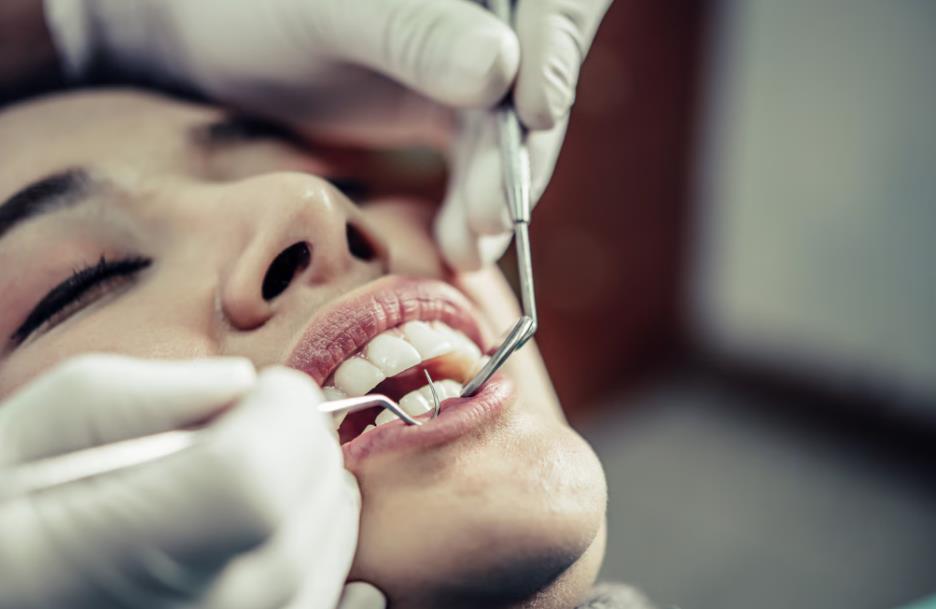
A tooth can be cracked, chipped, or even fractured, even by minor trauma or biting of hard objects. This destruction is not merely cosmetic. Cracks reveal inner layers that are sensitive to bacteria, making it susceptible to infection.
Small chips may deteriorate as time goes by, and this may render the structure of the tooth weak. Early dental treatment stabilizes the tooth, prevents its extraction, and in many cases prevents its extraction. The treatments can be either bonding, crowns, or root canal treatment, depending on the extent of the problem.
4. Tooth Knocked Out Or Partially Dislodged
A completely knocked-out tooth requires immediate attention, as the chance of saving it decreases with time. Gently rinse the tooth without scrubbing and try to reinsert it. If that’s not possible, store it in milk or saline and seek urgent care.
It is also worrisome when teeth are partially dislodged. Trauma can affect supportive structures, and delaying it is a risk factor for permanent loss. Emergency treatment stabilizes the tooth, treats its underlying damage, and preserves the rest of the teeth.
5. Uncontrolled Or Persistent Bleeding

Light bleeding in the gums as one brushes or flosses is normal, but when the bleeding does not stop despite mild pressure, one has a bigger problem. It may be caused by trauma, soft tissue injury, or severe gum disease.
Timely dental assessment allows managing it correctly, minimizes the chances of infection or tissue injury, and gives recommendations to prevent the same in the future. Quick intervention can prevent bleeding and deal with the cause of the problem effectively.
6. Loose Or Shifting Adult Teeth
Adult teeth are normally stable. If a tooth feels loose or shifts without an obvious cause, it may signal gum disease, bone loss, or root damage.
Ignoring this can result in further loosening or permanent tooth loss. Dental professionals can assess the condition, recommend treatments, and stabilize the tooth to maintain oral function and bone health.
7. Signs Of Infection — Abscess, Pus, Fever, Or Bad Taste
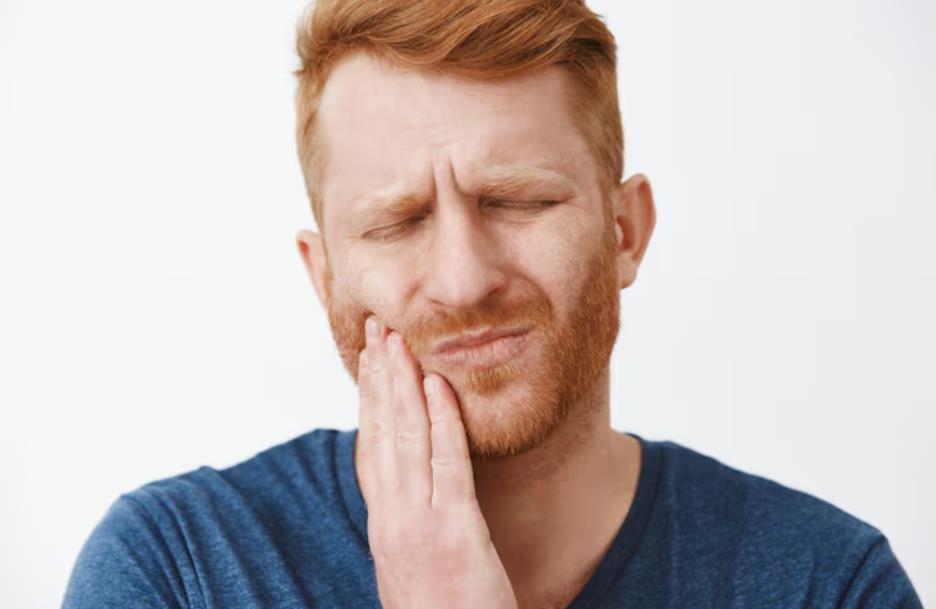
An abscessed tooth that produces pus is a serious infection that needs quality care. The symptoms are pain, swelling, fever, foul taste, or odor.
The infection may spread to adjacent tissues or get into the blood system, leading to systemic health problems without timely intervention. The cure is commonly performed through drainage, antibiotics, and, occasionally, root canal treatment. Complications can be avoided and the complexities minimized by early attention.
8. Pain Or Difficulty When Opening Your Mouth, Chewing, Or Swallowing
Once the pain in the teeth is no longer confined to one tooth due to difficulty in opening the mouth, chewing, or swallowing, the issue is already an intensive problem. These complications may be caused by jaw infections, abscesses around the throat, or serious inflammatory processes.
There is a need to conduct an immediate assessment to establish the cause and eliminate severe complications. Breathing can be severely swollen or with limited movement, and urgent care is required. Early intervention replenishes the oral function and comfort.
Bottomline
One should not disregard dental pain. It may indicate severe toothaches, swelling, broken teeth, uncontrolled bleeding, or difficulty with performing daily functions, all of which indicate that urgent attention is required. Early intervention saves teeth, manages illnesses, and eliminates complex treatments.
By being aware of these eight symptoms and visiting the medical center immediately, you not only preserve the state of your teeth but also your health in general.