When it comes to enhancing the functionality and aesthetics of a bedroom, selecting the right wardrobe plays a pivotal role. Not only does it store essentials, but it also reflects personal style and complements the overall decor of the room.
Understanding Your Space
Before purchasing a wardrobe, it is crucial to evaluate the available space. Considerations such as room size, ceiling height, and existing furniture will influence the wardrobe’s dimensions and style. Larger rooms can accommodate freestanding or walk-in wardrobes, whereas smaller areas might benefit from built-in or sliding door wardrobes that maximise space efficiency.
Types of Wardrobes
There is a variety of wardrobes to choose from, each serving different needs and preferences. Freestanding wardrobes offer flexibility and can be relocated as required. Built-in wardrobes, on the other hand, provide a seamless appearance and are customisable to fit specific spaces and storage needs.
Sliding vs. Hinged Doors
Wardrobe doors significantly impact the usability and design of the cupboard. Sliding doors are ideal for tight spaces as they do not require extra room to open. Hinged doors, while needing more space to open, offer a traditional look and allow for additional customisation with handles and mirrors.
Material Considerations
The material of a wardrobe affects not only its aesthetic appeal but also its durability and maintenance. Wooden wardrobes offer a classic look and are robust but can be heavy and more expensive. Alternatives such as fibreboard or metal provide modern aesthetics and are often more budget-friendly.
Design and Style
The wardrobe design should complement the bedroom’s overall decor. Consider matching the wardrobe finish with other furniture items such as the bed frame and bedside tables. Contemporary designs often feature minimalist styles with sleek finishes, whereas traditional designs may include ornate details and rich wood grains.
Storage Needs
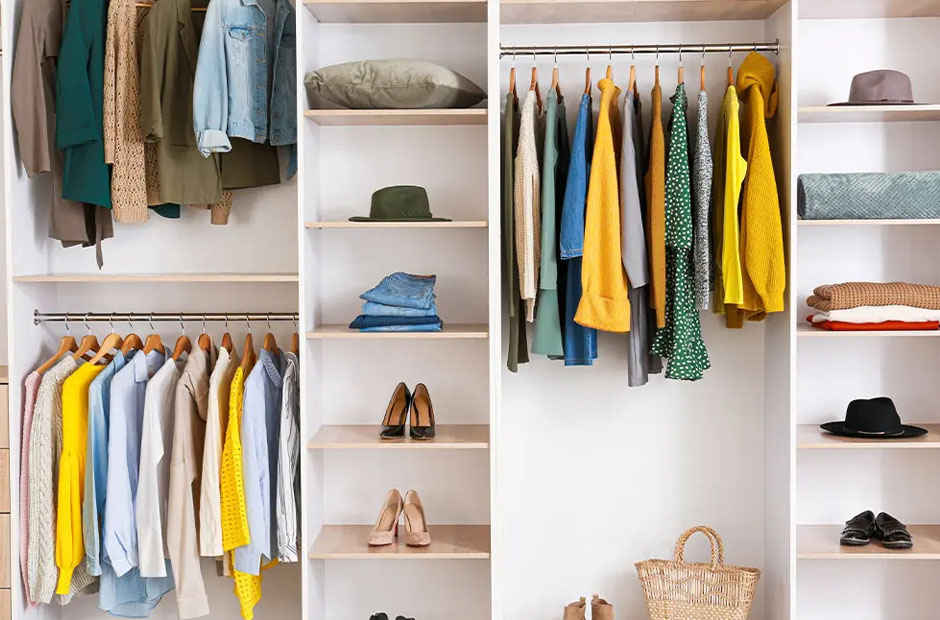
Assessing personal storage needs will guide the wardrobe’s interior layout. This includes the need for hanging space, drawers, shelves, and compartments for smaller items. Some wardrobes include adjustable shelving or modular components to allow for customisation based on changing requirements.
Built-In Lighting
Incorporating lighting within a wardrobe enhances visibility and convenience, particularly in larger wardrobes. LED lighting strips or spotlights can be installed inside to illuminate the interior without consuming too much energy.
Mirrored Wardrobes
Mirrored wardrobes serve dual purposes by providing storage space and offering a full-length mirror. This is especially beneficial in small rooms as mirrors can create the illusion of more space and add an element of brightness.
Budgeting and Cost
The choice of wardrobe will also depend on budget constraints. Prices vary significantly based on materials, size, customisation options, and brand. It is advisable to set a budget range and explore options within that range, keeping quality, durability, and aesthetic value in balance.
Sustainability Considerations
For environmentally-conscious buyers, there are sustainable wardrobe options. Choosing products made from reclaimed wood or materials certified by environmental standards can reduce ecological impact. Additionally, wardrobes designed for longevity can lower the need for future replacements.
Accessorising Your Wardrobe
Finally, wardrobe accessories can further enhance functionality. Consider items such as pull-out racks, jewellery trays, and shoe organisers to optimise space and organisation within the wardrobe.
Ultimately, selecting the perfect wardrobe involves combining practicality with personal style. By considering factors such as space, materials, design, and budget, buyers can find a wardrobe solution that seamlessly integrates into their home.