
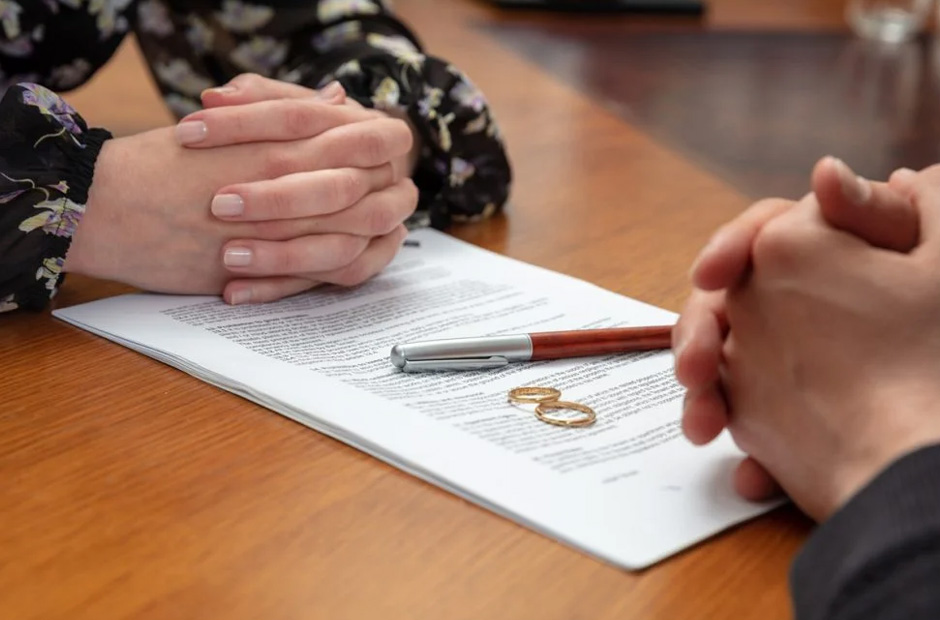
The decision to file for divorce is often accompanied by a torrent of complex legal and practical questions, particularly when navigating the specific statutes of a state like Connecticut. Uncertainty about residency rules, the meaning of “no-fault,” and how assets will be divided can be overwhelming, leading many individuals to feel lost in the legal fog.
While every divorce case is unique—varying based on the presence of children, the complexity of finances, and the degree of cooperation between spouses—there are fundamental procedural and legal principles that apply to virtually all cases within the state. Understanding these basic rules is essential for setting realistic expectations.
The process involves mandatory waiting periods, specific filing requirements, and court assessments of property division, support, and custody, all governed by Connecticut General Statutes. Addressing recurring divorce questions clearly and concisely helps demystify the process, and serves as a vital starting point for preparation. Having a clear understanding of these procedures allows individuals to approach each stage of the process with greater confidence and realistic expectations.
Filing and Residency Basics
A foundational question for anyone considering divorce in Connecticut is whether they meet the state’s residency requirements to file. To initiate proceedings, at least one of the following must be true: either one spouse has lived in Connecticut for at least 12 months before filing, or one spouse was domiciled in the state at the time of the marriage and returned before filing.
The case is officially started by filing a Summons and Complaint for Dissolution of Marriage with the Superior Court. After filing, the moving spouse must formally “serve” the other spouse with the paperwork, providing legal notice that the divorce has begun.
Once the paperwork is filed and served, Connecticut law imposes a mandatory 90-day waiting period before the court can finalize the divorce. This cooling-off period is designed to give couples time to reconcile or finalize their settlement agreement outside of court.
Grounds for Divorce Explained
Connecticut operates under both “fault” and “no-fault” grounds for divorce. The vast majority of divorces proceed under the no-fault ground, which simply states that the marriage has “broken down irretrievably,” meaning there is no reasonable prospect of reconciliation.
The advantage of filing no-fault is that neither party needs to prove the other spouse did anything wrong, which dramatically speeds up the legal process and reduces antagonism. The court simply accepts the statement that the marriage has ended.
While less common, fault grounds still exist and can be cited, including adultery, willful desertion, fraud, habitual intemperance (drug or alcohol abuse), or intolerable cruelty. However, fault is rarely pursued unless it significantly impacts financial or custody issues, as the standard for property division is still based on equity, not punishment.
Financial Considerations and Division
Connecticut is an “equitable distribution” state, meaning marital assets are not necessarily split 50/50, but rather divided in a manner the court deems fair. The court considers numerous factors, including the length of the marriage, each spouse’s age, health, occupation, and future earning capacity.
Marital property includes almost all assets and debts acquired during the marriage, and sometimes even pre-marital property if the court finds it equitable. The goal is a fair outcome, often involving trade-offs regarding real estate, retirement accounts, and business interests.
Alimony (spousal support) is not mandatory and is decided on a case-by-case basis. If awarded, the court considers statutory factors similar to those for property division, focusing on need, ability to pay, and contribution to the marriage, and may order either periodic (time-limited) or modifiable support.
Custody and Parenting Questions
For families with minor children, the court’s paramount concern is always the “best interest of the child.” This is the guiding standard for determining both legal custody (decision-making authority) and physical custody (where the child resides).
Connecticut strongly encourages parents to cooperate and reach their own consensus via a comprehensive parenting plan. The court generally favors shared legal custody, allowing both parents input on major decisions like education, healthcare, and religious upbringing.
Physical custody is often shared as well, but the specific scheduling varies widely based on the children’s ages, distance between residences, and the parents’ work schedules. If parents cannot agree, the court may order mediation or appoint a Guardian Ad Litem (GAL) to represent the children’s interests.
What Happens After Finalization
The date the court signs the Judgment File is the official end of the marriage. Once the divorce is finalized, both parties are free to remarry after the judgment date. However, certain legal obligations and responsibilities often continue long after the filing date.
This includes adherence to the terms of the final agreement regarding property distribution, child support, and alimony. Failure to comply can result in post-judgment motions for contempt, requiring the non-compliant party to appear back in court and face penalties.
Therefore, while the divorce provides closure, it also marks the start of a new, legally defined financial and parenting relationship. Having accurate Connecticut divorce FAQ knowledge ensures that both parties understand their ongoing duties and rights post-dissolution.