Key Takeaways
- Linea alba is a frequent, harmless finding caused mainly by friction or pressure inside the mouth.
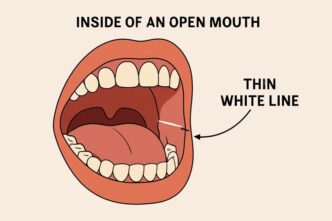
- Characterized by a white horizontal line where the upper and lower teeth meet the cheek.
- Common culprits include cheek biting, teeth grinding (bruxism), and misaligned dental appliances.
- A dental professional should evaluate persistent, painful, or irregular white patches, as they could signal more serious issues.
Have you ever noticed a pale streak along the inside of your cheek and wondered what it might be? This white line inside cheek tissue is commonly a harmless condition called the linea alba. While spotting this line can cause alarm, it’s usually a benign response to ordinary friction inside your mouth. Understanding the significance of this white line inside the cheek, how to identify it, and what to do next is crucial for safeguarding both peace of mind and oral health.
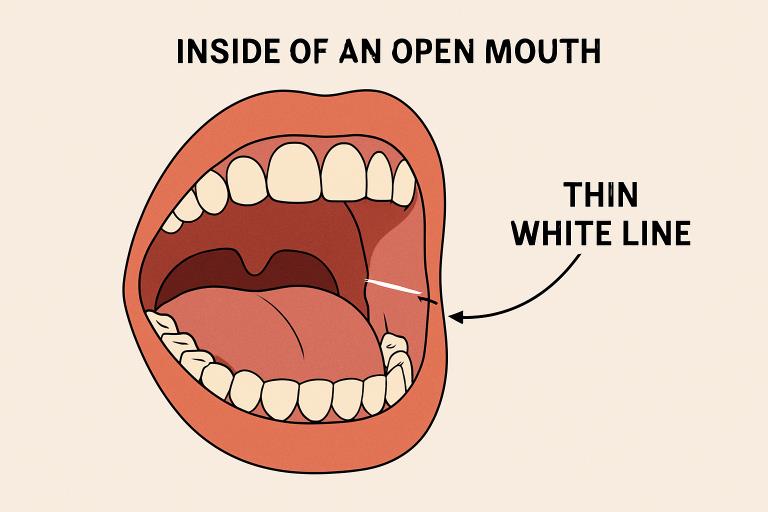
Linea alba often appears as a thin, pale, and slightly raised line running horizontally along the area where your teeth meet your inner cheek. Despite its somewhat mysterious appearance, this white line in the cheek tissue is typically not a cause for concern and rarely signals a serious health problem. However, in some cases, similar white patches may indicate more complex oral issues that require professional evaluation for your well-being.
Educating yourself about the causes, symptoms, and preventive strategies for this common oral condition can empower you to make informed choices about your dental health. For further support and resources, consider the expertise at North Orange Family Dentistry, a reliable source for maintaining a healthy smile and addressing oral health questions.
What Is Linea Alba?
The term “linea alba” comes from Latin and means “white line.” In dental and medical contexts, it refers to a horizontal, white or pale line on the inside of the cheek, typically aligning with the occlusal plane where your upper and lower teeth meet. Found during routine dental exams, this streak is a common, usually harmless feature observed in people of all ages.
This line develops as a response to repeated irritation or friction in the mouth. The tissues in our cheeks are sensitive, and when they are frequently pressed or rubbed by the teeth, a mild form of toughening, or hyperkeratosis, occurs, appearing as a white, smooth, and slightly raised band.
Common Causes of Linea Alba
Most cases of linea alba result from chronic friction or pressure, usually due to everyday habits or dental issues. The most common triggers include:
- Cheek Biting:Frequently biting or sucking the inside of your cheek is a leading cause. This may happen unconsciously during stress or while concentrating.
- Teeth Grinding (Bruxism):Grinding or clenching your teeth, especially while sleeping, exposes the cheek lining to repetitive friction.
- Ill-Fitting Dental Appliances:Dentures, braces, or dental retainers that don’t fit correctly can continuously rub against your cheeks, causing irritation and a white line to form.
Minimizing these habits and ensuring dental devices are adequately adjusted can help prevent this condition from developing or worsening.
Symptoms and Identification
Linea alba characteristically presents as a white, thin, and slightly elevated line along the inner side of the cheeks at the bite line. Most people are unaware of it until a dental professional points it out. Key identifiers include:
- Painlessness the line typically doesn’t hurt or feel sore.
- Symmetry usually appears on both cheeks, mirroring each other.
- Persistence: it does not easily scrape off and remains for weeks or months unless the source of friction is removed.
If you notice changes such as pain, bleeding, or irregular borders, or if the patch extends beyond the cheek areas, it’s wise to consult your dentist to rule out more serious conditions.
When to Seek Professional Advice
While linea alba is generally harmless, certain signs may hint at deeper issues. Seek a dental evaluation if you observe:
- White or reddish patches that don’t heal or fade after two weeks.
- Patches with rough surfaces or those that bleed, ulcerate, or become painful.
- Oral lesions that change in size, color, or texture, or appear in unusual locations inside your mouth.
Timely assessment helps detect more serious conditions, including potentially precancerous changes, early.
Preventive Measures and Treatment
Addressing the underlying sources of irritation is key in both preventing and minimizing linea alba. Helpful strategies include:
- Break Harmful Habits:Behavioral changes, stress reduction, and becoming mindful of cheek biting or teeth grinding can help.
- Adjust Dental Appliances:Schedule regular dental visits to ensure that dentures, braces, or retainers fit comfortably. Poorly fitted appliances should be modified to prevent ongoing cheek irritation.
- Maintain Oral Hygiene:Good oral hygiene lessens the risk of complications and keeps oral tissues healthy and less prone to irritation.
Treatment is usually unnecessary unless irritation persists or is linked to modifiable factors such as stress, dental appliances, or sleep disorders. In these cases, addressing the root cause is often enough to resolve the linea alba.
Other Conditions to Consider
It’s essential to distinguish the linea alba from other oral conditions that may at first look similar but have different causes and outcomes:
- Leukoplakia:Thick, white patches with irregular shapes found anywhere in the mouth, and are potentially precancerous. Leukoplakia cannot be scraped off and requires medical attention.
- Oral Lichen Planus:A chronic inflammation with lacy white patches or sores, usually accompanied by discomfort. Proper diagnosis is vital for management and can help rule out similarly appearing conditions.
If in doubt, have any persistent area checked by your dental provider to ensure proper diagnosis and peace of mind.
Maintaining Oral Health
Regular dental checkups remain the best defense against undetected oral health issues. Practicing consistent oral hygiene, becoming aware of subtle changes within your mouth, and quickly addressing habits that lead to irritation all help support lifelong oral wellness.
While a white line inside the mouth is most often a benign finding, like a linea alba, staying proactive ensures that any unusual or new symptoms are identified and addressed quickly helping you maintain your healthiest and most confident smile.
Conclusion
Noticing a white line on your cheek can be unsettling, but in most cases, a linea alba is a harmless, easily explained condition caused by everyday friction in the mouth. Understanding its appearance, causes, and distinguishing features can help ease unnecessary worry and prevent misinterpretation of more serious oral concerns. Simple adjustments, such as addressing cheek biting, managing teeth grinding, or ensuring dental appliances fit properly, are often all that’s needed to minimize or prevent it.
That said, staying attentive to changes in your oral tissues is essential. Regular dental checkups and prompt evaluation of any unusual, painful, or persistent patches help identify potential issues early. By combining awareness, good oral hygiene, and professional guidance, you can confidently protect your oral health and maintain peace of mind about what’s happening inside your smile.