Key Takeaways
- Assess your site conditions—sunlight, soil, and moisture—to select plants that will thrive naturally.
- Favor native and regionally adapted plants for lower maintenance, greater resilience, and ecological benefits.
- Consider mature plant size and ongoing care needs to prevent crowding, disease, and costly replacements.
- Design for year-round interest with staggered bloom times, evergreens, and varied textures.
- Group plants by water requirements (hydrozoning) to conserve resources and improve plant health.
- Inspect the plant quality before purchase to ensure it has strong roots, disease-free foliage, and is likely to achieve long-term success.
- Plan for future growth and evolving conditions to maintain balance and harmony in your landscape.
- Seek professional guidance for complex sites to maximize success and minimize maintenance challenges.
A thriving landscape isn’t just built for today—it’s an investment in beauty, sustainability, and long-term value. Selecting the right plants from the start determines whether your garden becomes a flourishing oasis or a patchwork of struggling greenery. By carefully analyzing your property and making informed decisions, you ensure a landscape that endures every season while saving time, money, and resources in the long run. For personalized guidance on plant selection and landscaping, Taylor Anthony 365 offers in-depth expertise designed to help you create a garden that fits your unique needs.
Understanding your own landscape’s sunlight, soil, and moisture conditions plays a vital role in determining which plants will thrive with minimal intervention. When you make thoughtful choices tailored to your environment, you not only create visual harmony but also contribute to the ecological health of your local area, adds Elite Properties Richmond Management. This considered approach prioritizes durability and sustainability in your garden design.
Beyond aesthetics, proper plant selection supports pollinators, local wildlife, and is resilient to common pests and environmental changes. Approaching your landscape with a long-term strategy helps limit expensive replacements and maintenance issues down the road.
Assess Your Site Conditions
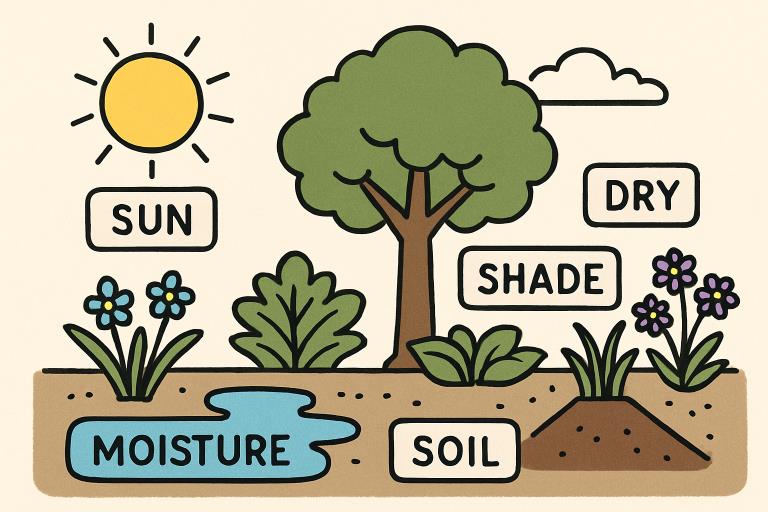
Before selecting any plants, evaluate the microclimates and natural features unique to your property:
- Sunlight Exposure:Map out which spots get full sun, partial shade, or are shaded most of the day. This knowledge ensures your plant choices match their preferred light conditions and thrive, rather than struggle.
- Soil Type:Take note whether your soil is sandy, heavy with clay, or loamy and fertile. Different soils have varying drainage and nutrient profiles, impacting what will flourish or fail.
- Moisture Levels:Look for areas that stay wet after rain or dry out quickly. Swamp-loving plants require different placement than drought-tolerant varieties, and understanding this saves effort in irrigation and care.
Placing a sun-loving coneflower in a shaded, moist spot or a bog plant on a drought-prone slope often leads to lackluster growth and premature plant failure. Understanding these variables lays the foundation for a resilient and adaptive landscape.
Choose Native and Adapted Plants
Whenever possible, opt for native plants and those specifically adapted to your region’s conditions. Native species typically:
- Require less water and fertilizer, having evolved to thrive in local conditions with minimal maintenance.
- Support ecosystem functionby providing food and habitat for local pollinators, birds, and beneficial insects.
- Show resistance to common pests and diseasesin your area, reducing the need for chemical pesticides or routine treatments.
For those wishing to attract wildlife and enjoy a lower-maintenance landscape, incorporating a mix of native perennials such as black-eyed Susan, bee balm, and local ornamental grasses is a smart starting point. Not only do these plants conserve water, but they also blend seamlessly with your regional setting and make a meaningful contribution to local biodiversity.
Consider Plant Growth and Maintenance
When choosing garden favorites, always factor in their mature size—height, width, and spread—in your long-term design. Give trees, shrubs, and flowers adequate space to reach their eventual size, which prevents crowding, competition, and pest problems as they mature.
- Size at Maturity:Avoid the urge to overplant for instant fullness. Mature spacing ensures plants have room for roots and branches to grow healthily.
- Maintenance Requirements:Select options that fit your willingness and ability to provide ongoing care. Low-maintenance choices can lead to high cost and time savings in the future.
Crowding plants can increase disease risk, impede air flow, and result in costly removal or transplanting later. Strategic spacing at planting time gives your landscape the greatest chance for lasting health.
Plan for Year-Round Interest
Design a landscape that delights through every season by mixing plants with staggered blooming times, evergreens, and diverse textures. Consider layering:
- Early, mid, and late-season bloomersfor a succession of colors and pollinator activity.
- Evergreen trees and shrubs, such as Japanese cedar or dwarf holly,provide structure and visual interest, particularly in winter.
- Plants with contrasting textures and forms—from billowing ornamental grasses to sturdy conifers and broad-leafed shade perennials—are used to create depth and visual intrigue.
Diverse selections ensure that your landscape always features something of interest, regardless of the month or weather.
Group Plants by Water Needs
Organize your garden beds by hydrozoning, which involves grouping plants with similar water requirements together. This efficient method streamlines irrigation and conserves water—a must in today’s sustainable landscape practices. Not only does hydrozoning help reduce water bills, but it also prevents root rot in drought-tolerant plants and drought stress in moisture-loving plants.
Inspect Plant Quality Before Purchase
Vigorous, healthy specimens are crucial to establishing a robust landscape. Before investing in plants at the nursery, thoroughly check the following:
- For any signs of disease or pest activity,such as discolored leaves, sticky residue, or wilting.
- Root health: Choose specimens with a well-developed root system—firm but not rootbound or circling within the pot.
Starting with strong, disease-free plants increases your garden’s success rate and reduces the risk of introducing issues to your yard.
Plan for Future Growth
Every landscape evolves, and today’s sunny patch may become shaded as trees mature. Consider how each plant’s eventual size and canopy will impact light, drainage, and airflow for surrounding beds years down the line. This foresight ensures that all species have space to mature and thrive, helping to maintain harmony in your design over the decades.
Seek Professional Advice
For complex sites or if you’re unsure about plant selection and placement, don’t hesitate to consult a certified horticulturist or landscape designer. Professionals bring region-specific knowledge that maximizes plant health while minimizing disruption and future maintenance challenges.
Final Thoughts
With careful planning, a thoughtful mix of native and adapted plants, and an eye toward year-round interest and efficiency, you can create landscapes of enduring beauty and sustainability. Start with the right information, choose wisely, and your outdoor spaces will reward you season after season.