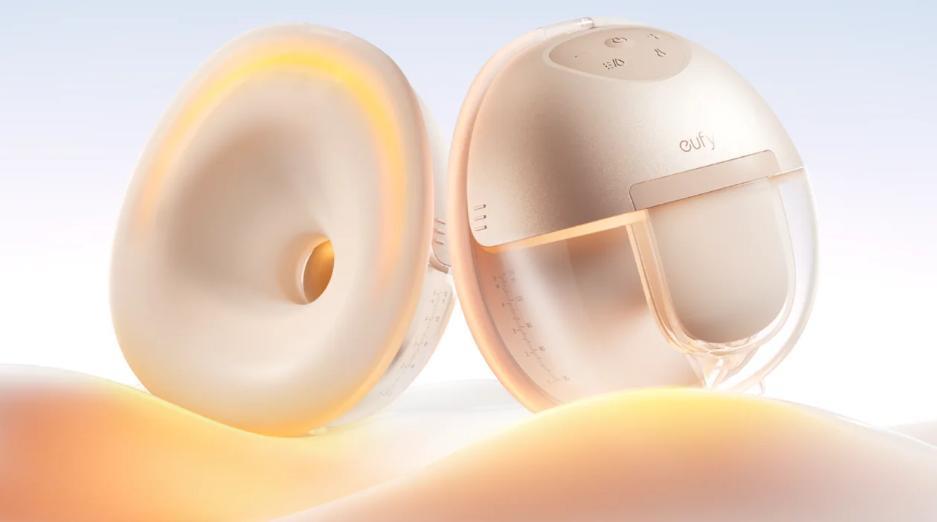
Wearable breast pumps are transforming the way new mothers handle their pumping routine, offering a blend of mobility and convenience unmatched by traditional models. But how do they fare in daily use? The effectiveness of wearable breast pumps hinges on several factors, including their design, functionality, and ease of integration into daily life. From busy workdays to transportation commutes, these revolutionary devices offer a glimpse into what could be the future of pumping—allowing mothers to maintain their daily activities while ensuring their babies receive necessary nourishment. As more women explore this option, understanding its advantages becomes crucial for making informed decisions.
Real Daily Use: Performance and Practicality
Suction, Milk Output & Technology
The suction capability of wearable breast pumps often determines their effectiveness. Many models use advanced technology to mimic a baby’s natural sucking rhythm, aiming to optimize milk output. Features such as variable suction levels and smart controls allow mothers to customize settings for comfort and efficiency. However, not every device performs equally; some pumps may vary in maintaining consistent suction over time. Recent technological advancements have improved reliability, but personal preference and physiology play roles in performance outcomes. Real-world tests show that when properly fitted and used, these devices can match or even exceed the output of traditional pumps.
Comfort, Fit & Ease of Use
Comfort is a crucial factor for any breast pump, particularly for wearable models that are used more dynamically. The ergonomic design of the wearable breast pump is intended to fit seamlessly under clothing, offering ease of use without compromising comfort. Proper fit is essential to avoid leaks and ensure suction efficacy; hence, many devices come with customizable flange sizes. Ease of use is enhanced by simple controls and quiet operation, important for discreet pumping sessions. Mothers appreciate designs that can be quickly assembled and disassembled, lightweight components, and intuitive user interfaces that simplify the pumping process, minimizing stress and maximizing results.
Portability, Discretion & Hands‑Free Pumping
The portability of wearable breast pumps is one of their standout features, providing mothers with the freedom to move around while pumping. Unlike traditional pumps, these models are compact, often fitting within a bra, making transportation simple and discreet. Hands-free operation is liberating for mothers attempting to multitask, whether working, running errands, or attending meetings. Discretion is further enhanced by quiet functioning, allowing for use in public spaces without drawing attention. Such pumps empower mothers to maintain their lifestyle without interruption, a key benefit many find invaluable. Reviews highlight the convenience and adaptability of these devices for active and busy women.
Real Use Case Scenarios
At Work and on the Go
In professional environments, wearable breast pumps provide flexibility that traditional pumps lack. Portability lets mothers pump effectively during lunch breaks or on transportation commutes, freeing them from the confines of a designated pumping room. Many women find the hands-free aspect particularly beneficial during meetings or while traveling, as it seamlessly integrates into active lifestyles. Feedback from working mothers underscores the effectiveness of wearable pumps in their routine, noting that discretion and ease of use alleviate stress and help balance work demands with motherhood responsibilities. For women in jobs that require frequent travel, they offer unparalleled convenience and efficiency.

Home Use and Routine Adjustment
At home, wearable breast pumps allow mothers to integrate pumping into their daily activities without hassle. They facilitate multitasking, letting mothers care for older children, cook meals, or engage in household chores—all while ensuring their infants continually receive the nutrition they need. Adjusting daily routines around these pumps, rather than the other way around, promotes a stress-free environment. Many families find that using wearable pumps creates more flexibility, enhancing family interactions and reducing time constraints associated with traditional pumps. Users report significant satisfaction in being able to maintain normalcy while effectively managing their pumping schedule.
Pairing a Wearable With a Traditional Pump
Some mothers choose to leverage both wearable and traditional pumps to optimize their pumping strategy. For instance, wearable pumps might be utilized when mobility is required, while traditional pumps may remain the go-to option for stationary sessions at home. This complementary use maximizes efficiency, often enhancing milk output and allowing mothers to adjust methods based on their daily schedule and comfort. Mothers appreciate the flexibility that comes from having two pumping options, adapting seamlessly to varied circumstances. This dual approach highlights how innovation in breast pump technology caters to the diverse needs and priorities of new mothers.
Conclusion
Wearable breast pumps are proving to be a game-changer for many mothers, offering a blend of convenience, comfort, and effective function for daily use. Their portability and discreet operation enable mothers to balance personal and professional lives more effectively. Reviews consistently emphasize their benefits, from flexibility to ease of integration into everyday tasks. While personal preference and needs play significant roles in choosing the right pump, wearable models are an attractive option for active mothers seeking efficiency without compromising mobility. As technology continues to evolve, these devices are likely to become even more integral to modern parenting solutions.