
When winter settles in, your focus naturally shifts to staying warm, lowering heating bills, and keeping your home comfortable. You seal the windows, turn up the thermostat, and assume that many household problems take a seasonal break, observes BridgeHaus Property Managers, a top Chula Vista Property Management company. After all, cold weather should slow things down, right?
In reality, winter often hides problems instead of eliminating them. Many issues don’t disappear. They move indoors, develop quietly, or worsen behind walls and under floors while you’re busy managing everyday routines. Because these problems aren’t always obvious, they’re easy to overlook until they turn into expensive repairs.
Cold weather changes how your home functions. It alters airflow, traps moisture, and pushes unwanted activity into warm spaces. Understanding what commonly gets missed during winter helps you stay ahead of damage and protect your home year-round.
Below are the most common household problems homeowners tend to ignore once temperatures drop, and why paying attention now matters more than you might think.
Hidden Pest Activity You Don’t Expect in Cold Months
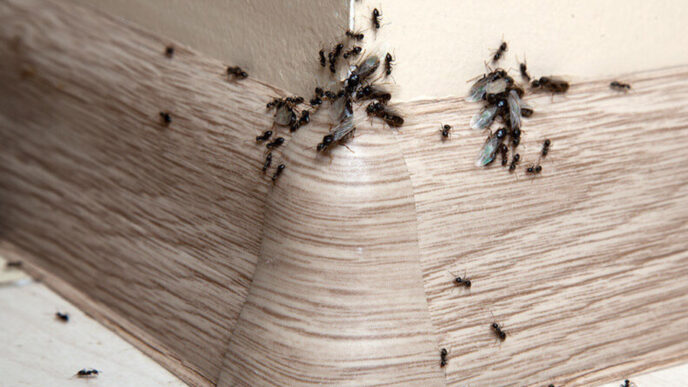
Many homeowners assume pests disappear in winter, but that’s rarely the case. When temperatures drop, insects like ants don’t vanish. They relocate. Warm, food-rich homes become safe shelters, especially when outdoor conditions turn harsh.
Ants are particularly persistent because they only need tiny openings to get inside. Cracks in foundations, gaps around doors, window frames, and utility lines all provide easy access. Once inside, ants can remain active all winter, often unnoticed because their movement slows or shifts to hidden areas like walls and cabinets.
This is why professional ant control during the winter can be especially effective. Treating infestations during colder months targets ants while they’re nesting indoors, reducing colonies before spring activity spikes. Services focused on winter control address entry points, nesting areas, and moisture sources that attract ants, helping prevent repeat infestations rather than just reacting when the problem becomes obvious. Taking action early keeps small issues from turning into year-round frustrations.
Winter Brings Problems Indoors, Not Away
One of the biggest misconceptions about winter is that it puts household issues on pause. In truth, cold weather shifts activity inside, where problems are harder to notice. Drafts, moisture, pests, and structural stress all behave differently once temperatures fall.
Your home becomes tightly sealed in winter, which keeps heat in but also traps humidity and limits airflow. Small cracks, gaps, and weak spots become entry points, not just for cold air, but for moisture and unwanted guests. Because you’re spending more time indoors, these issues quietly build while blending into your daily environment.
The result? Problems that seem minor in January can turn into major headaches by spring if left unaddressed.
Moisture and Condensation That Slowly Cause Damage
Winter moisture problems often fly under the radar because they don’t always look dramatic. Condensation on windows, damp basements, and lingering musty smells are easy to dismiss as seasonal annoyances. However, trapped moisture creates ideal conditions for mold, wood damage, and even pest activity.
Cold outdoor air meeting warm indoor air leads to condensation, especially in poorly ventilated spaces. Bathrooms, kitchens, basements, and attics are common trouble spots. Over time, moisture weakens materials and creates hidden damage behind walls and flooring.
Ignoring moisture during winter can result in costly repairs once temperatures rise. Paying attention to ventilation, sealing leaks, and managing humidity protects both your home’s structure and your indoor air quality.
Small Drafts That Quietly Increase Energy Bills
Drafts are another winter issue that homeowners tend to tolerate instead of fixing. You may notice one cold room or a chilly corner and assume it’s normal for the season. But even small air leaks can significantly increase heating costs over time.
Gaps around doors, windows, attic access points, and outlets allow warm air to escape while pulling cold air inside. This forces your heating system to work harder, raising energy bills and reducing comfort.
Because drafts don’t usually cause immediate damage, they’re often ignored. Sealing leaks early improves comfort, lowers costs, and reduces strain on your heating system throughout the winter.
Insulation Gaps That Stay Out of Sight
Insulation problems are easy to overlook because they’re rarely visible. Attics, crawl spaces, and walls may lack proper insulation without obvious signs until you feel uneven temperatures or notice higher heating costs.
Poor insulation allows heat to escape and cold air to enter, creating moisture buildup and encouraging condensation. Over time, this can damage materials and create environments that pests find appealing.
Winter is actually a great time to spot insulation issues. Cold drafts, icy surfaces, and uneven warmth often point directly to problem areas that need attention.
Plumbing Issues That Develop Quietly
Frozen or partially frozen pipes are well-known winter concerns, but slow plumbing problems are easier to miss. Pipes hidden behind walls or under floors may develop small leaks due to temperature changes, expanding materials, or pressure shifts.
Signs like reduced water pressure, strange noises, or unexplained damp spots can indicate early trouble. Because these issues don’t always cause immediate flooding, they’re often ignored until damage becomes serious.
Monitoring plumbing during winter helps prevent burst pipes, water damage, and costly repairs when temperatures fluctuate.
Foundation Stress from Freeze-Thaw Cycles
Cold weather puts constant stress on your home’s foundation. As temperatures rise and fall, soil expands and contracts, which can lead to small cracks and shifts. These changes often happen gradually, making them easy to overlook.
Hairline cracks, sticking doors, or slightly misaligned windows can all signal foundation movement. While these signs may seem minor, addressing them early prevents moisture intrusion and structural damage later.
Winter inspections around your home’s exterior help catch issues before they escalate.
Neglected Storage Areas That Invite Problems
Basements, garages, and storage rooms often get ignored in winter. These areas tend to collect clutter, cardboard boxes, and unused items that trap moisture and provide hiding spots for pests.
Cold weather pushes activity into these quiet spaces, where problems can grow unnoticed. Clearing clutter, improving airflow, and checking for moisture helps prevent infestations and damage before spring cleaning season arrives.
Winter doesn’t eliminate household problems. It reveals them. The cold highlights weak spots in your home’s structure, airflow, moisture control, and protection. Addressing these issues early saves money, improves comfort, and reduces stress throughout the year.
By paying attention to what’s happening indoors during colder months, you take control before small concerns turn into major repairs. Winter is the season for prevention, not postponement. A little awareness now keeps your home healthier, safer, and more comfortable long after the cold weather fades.