High-traffic workplaces depend on elevators the same way they depend on power, water, and network access. When vertical transportation slows down, lines form, meetings start late, deliveries back up, and people with mobility needs are put in a tough spot.
Commercial elevator service is not just about fixing a breakdown. It is about keeping ride quality, reliability, and safety steady during busy hours, while planning upgrades that prevent repeated disruptions.
Maintenance Plans Built for Peak Demand
High-use elevators wear faster at doors, rollers, sensors, and operator assemblies, because those parts cycle constantly. A service plan that matches traffic patterns focuses on the components that take the most daily stress, not just a generic checklist.
Preventive work is most effective when it is scheduled around real building rhythms. Early-morning checks, weekend tasks, and off-peak testing help avoid shutting down a car when the lobby is packed.
Good maintenance includes clear documentation of findings, repeat issues, and parts replaced. That history matters when a building manager needs to justify a modernization budget or confirm that recurring trouble is being addressed.
Service Details That Reduce Downtime
Downtime is frequently caused by door issues, misleveling, and intermittent sensor faults that appear during heavy use.
Service that targets these patterns can cut repeat shutdowns more than a long list of minor adjustments. If your building needs a provider that understands uptime in crowded settings, options like commercial elevator services in Richmond can be helpful when you want consistent maintenance, responsive repairs, and a plan that fits your site’s traffic. Parts planning is a quiet advantage.
Providers who stock common wear components and track lead times can prevent a small failure from turning into a multi-day outage.
Faster Response Without Cutting Corners
In a high-traffic site, response time matters because one out-of-service car can turn a normal rush into a long wait. A practical contract defines dispatch rules, expected arrival windows, and how after-hours calls are handled.
Speed should not reduce safety discipline. A qualified technician still needs proper lockout procedures, controlled access to machine spaces, and a methodical approach to troubleshooting before returning the elevator to service.
Communication is part of response quality. The best providers share what failed, what was done, what risk remains, and what the next step should be if the issue returns during peak periods.
Modernization That Improves Flow
Modernization is not only for old equipment. It is a traffic tool that can reduce stops, shorten door times without slamming, and smooth acceleration so rides feel predictable when cars are full.
Upgrades often focus on controllers, door operators, fixtures, and dispatch features that reduce bunching and unnecessary calls. When these pieces work well together, people move with less hesitation and fewer repeated button presses.
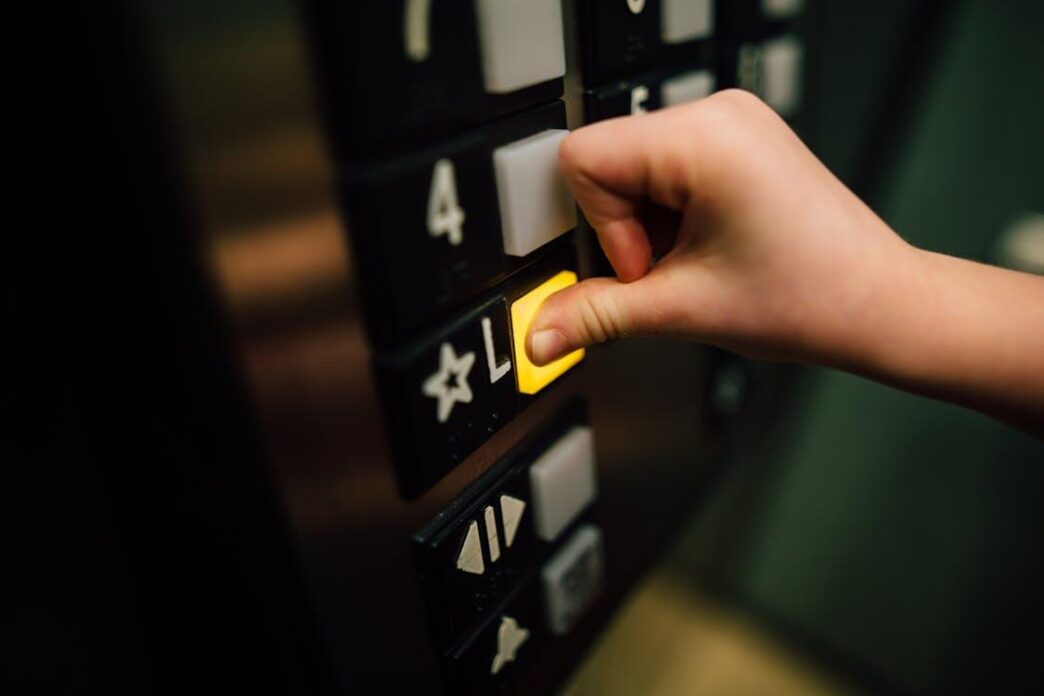
Accessibility upgrades deserve equal priority in busy workplaces. ADA guidance covers features such as operable parts, tactile identifiers, and communication cues that help riders navigate confidently.
Safety Readiness for Emergencies
High-rise and high-occupancy buildings need elevator behavior that supports emergency operations. Many codes and practices rely on features such as recall functions so elevators return to a designated level when certain alarms activate.
Fire service operation includes modes that let trained responders control the elevator under specific conditions, rather than relying on normal passenger operation. NFPA explains how Phase II gives firefighters manual control through keyed operation.
Research and guidance on elevator use during fires commonly reference recall initiation tied to smoke detection in key areas such as lobbies and machine spaces. NIST discusses how building code approaches often require Phase I recall to be initiated by smoke detectors.
Energy Efficiency And Sustainability Upgrades
Reducing elevator energy use can make a noticeable difference in large buildings where cars run constantly. Modern drives, efficient motors, and smarter control settings can cut wasted power while keeping ride quality steady during rush periods.
Lighting and ventilation inside the cab are another easy win. LED fixtures and occupancy-based controls lower consumption without affecting the passenger experience, and they reduce heat that can add load to building cooling systems.
Sustainability upgrades are not only about savings on utility bills. They can extend equipment life by lowering strain on key components, and they support broader building goals such as green certifications and tenant expectations for responsible operations.
Commercial elevators in high-traffic workplaces succeed when service is proactive, parts are planned, response is organized, and upgrades are timed before failures become routine. The goal is simple: keep people moving with minimal waiting, fewer interruptions, and predictable performance.
When you align maintenance, modernization, accessibility, and emergency readiness, you support productivity and safety at the same time. That combination protects the building’s reputation, improves the daily experience for riders, and reduces the costly ripple effects of unplanned shutdowns.