Key Takeaways
- Regulatory Compliance is Critical: Adhering to FDA, EU MDR, and ISO standards ensures safety, traceability, and market access.
- Digital Transformation Enhances Accuracy: eIFUs and digital labeling improve real-time updates, reduce errors, and support end-user accessibility.
- Multilingual & Localized Labels Save Lives: Accurate translations and cultural adaptations minimize user error and ensure safe product use across markets.
- User-Centered Design Matters: Clear language, standardized icons, and usability testing improve patient safety and product effectiveness.
- Automation Streamlines Operations: Integrated software and cloud-based solutions reduce manual errors, centralize data, and enable scalable compliance.
- Global Agility is Essential: Modular labeling systems help companies adapt quickly to regional requirements and regulatory changes.
Introduction
In the highly regulated life sciences sector, implementing a comprehensive and compliant labeling system is not merely a box-ticking exercise. A robust labeling infrastructure safeguards product integrity, ensures regulatory compliance, and streamlines operations across the supply chain. From pharmaceuticals to medical devices, companies face a maze of global regulations and technological shifts that demand deliberate, strategic approaches to labeling.
The market’s dynamic nature means businesses must not only provide clear and accurate product information but also adapt to digital innovations and evolving standards. With increasing demands for transparency and patient safety, organizations should consider solutions such as PIMS labeling to address these complexities and support cross-functional teams from development through distribution.
Effective labeling is crucial for gaining market access, minimizing risk, and staying up to date with industry developments. As more regions enforce stricter requirements, companies need to develop systems that accommodate diverse regulatory landscapes and customer expectations.
As global health authorities refine their oversight and enforcement, labeling becomes not only a pillar of compliance but also a competitive differentiator. Clear, up-to-date, and localized content can improve user safety, reduce errors, and enhance patient outcomes.
Understanding Regulatory Requirements
Navigating regulatory requirements is the foundation of any successful labeling strategy. In the United States, the Food and Drug Administration (FDA) imposes rigorous standards. For medical devices and pharmaceuticals, these are primarily defined in Title 21 of the Code of Federal Regulations (CFR). 21 CFR Part 801 specifies essential requirements for medical device labels, including unique device identification (UDI) and instructions for use (IFU). 21 CFR Part 820 emphasizes quality management and labeling controls to ensure accuracy and traceability.
The European Union’s Medical Device Regulation (EU MDR 2017/745) has transformed the landscape for EU-facing companies by mandating detailed product identification, mandatory IFUs with allowances for electronic instructions (eIFU), and the universal adoption of ISO-compliant symbols. This harmonization aims to enhance patient safety and ensure that labels are internationally intelligible, thereby supporting better outcomes for healthcare professionals and patients alike.
Embracing Digital Integration
The digital transformation of labeling is accelerating. Digital labels and eIFUs enable companies to provide richer, more up-to-date information to end users. These innovations facilitate real-time updates, improve traceability, and help eliminate potential confusion caused by outdated printed instructions. As a result, companies must prioritize the accessibility and usability of digital formats for both regulators and end users.
However, transitioning to digital carries new challenges, including compliance with accessibility standards and creating intuitive interfaces optimized for a broad user base. Ensuring every user can interact with the digital label regardless of language, device, or ability is a key consideration that overlaps with both compliance and customer experience.
Addressing Multilingual Obligations
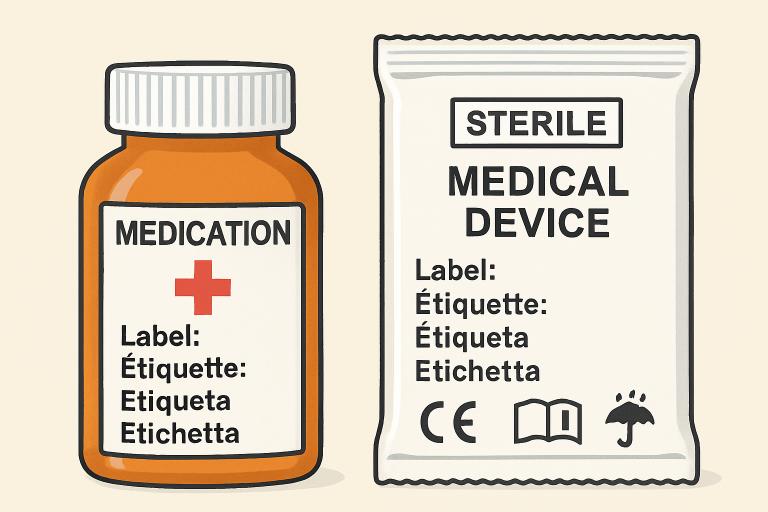
Companies selling into international markets must translate product labels into each target language. This includes summary information, warnings, dosage guidelines, and contact details for local representatives. Such multilingual compliance is not just a regulatory requirement but crucial to patient safety and product success across markets.
High-quality translations must reflect linguistic accuracy and cultural sensitivity to ensure instructions are not only understood but also actionable. Investing in professional translation services, localization, and cultural adaptation can mitigate misinterpretations that could impact patient safety or lead to costly recalls.
Enhancing Safety and Usability
Regulatory agencies are increasingly attuned to usability and safety. Labels should use clear, concise language, supported by standardized icons or symbols to bridge language barriers. ISO-compliant symbols and plain-language protocols help minimize the risk of user error and make products more accessible to a wider audience.
Companies should involve user feedback and conduct usability studies as part of the label development process. Gathering insights from healthcare professionals and patients can reveal overlooked issues, ensuring the final label improves safety and efficacy.
Leveraging Automation and Technology
Automation can dramatically improve the efficiency and reliability of labeling systems. Integrated software solutions harmonize across “sources of truth” such as ERP and PLM systems, minimizing the risk of manual errors and ensuring real-time updates across every touchpoint. By embedding automation, businesses can streamline labeling workflows and free up resources for more strategic compliance tasks.
Advanced technologies, including cloud-based platforms and label lifecycle management solutions, help companies achieve consistency and compliance at scale. These systems can eliminate data silos, ensuring updated regulatory and product data is reflected instantly across all production lines and markets.
Ensuring Data Integration and Accuracy
Accurate and centralized data management supports both compliance and efficiency. With regulations requiring complete traceability across all product batches and lots, data feeding into the labeling system must always be current and authoritative. Any discrepancies or versioning errors can lead to compliance gaps and costly product recalls.
An enterprise-wide labeling system consolidates data from disparate sources, providing a single platform for updates and control. This reduces administrative burden and simplifies the cross-site and cross-market rollout of regulatory changes.
Managing Global Requirements
Multinational organizations must juggle diverse regulatory, linguistic, and packaging requirements. Each jurisdiction may require unique symbols, statements, and approval processes, making manual management nearly impossible. A modular, configurable labeling system can help companies address regional nuances without building parallel processes.
Functionality that enables quick adaptation to changes in local regulations, combined with robust data governance, is vital for remaining agile and compliant across all markets.
Final Thoughts
Life sciences companies face a complex environment when designing and maintaining effective labeling systems. By grounding programs in up-to-date regulatory knowledge, embracing digital and automated solutions, prioritizing multilingual and user-friendly labels, and ensuring robust data management, organizations can both comply with current standards and future-proof their operations. These strategies are essential for achieving global reach, reducing risk, and supporting patient safety in an evolving regulatory landscape.