Key Takeaways
- EMDR therapy effectively processes traumatic memories and lessens their emotional impact.
- Bilateral stimulation activates the brain’s innate healing mechanisms.
- Strong research supports EMDR for PTSD and various trauma-related disorders.
- Technological advances are strengthening EMDR’s therapeutic impact.
- EMDR is effective across diverse populations, including civilians and frontline professionals.
Trauma can dramatically alter the landscape of daily life, leading to emotional distress and disrupting routines, relationships, and overall well-being. For many, the journey toward healing is challenging, but Eye Movement Desensitization and Reprocessing (EMDR) therapy offers a promising, evidence-based path forward. By helping individuals reinterpret and process traumatic memories, EMDR not only eases emotional pain but also builds critical emotional resilience. For those seeking expert support, trusted psychotherapy services Toronto can offer guidance as part of a holistic approach to trauma recovery.
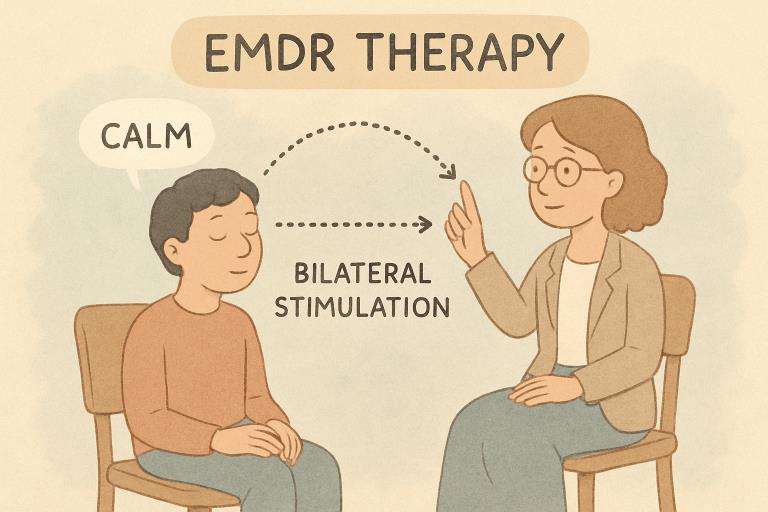
EMDR therapy stands apart through its use of bilateral stimulation—such as guided eye movements or tactile prompts—to reduce the intensity of distressing memories. This innovative approach encourages the brain to heal naturally, ultimately empowering individuals to reclaim their sense of safety and autonomy after trauma. As EMDR becomes more widely recognized, its role in fostering both healing and resilience is coming into sharper focus.
Understanding EMDR Therapy
EMDR is a structured psychotherapy designed specifically for people struggling with the lingering effects of trauma. Instead of repeatedly discussing distressing events, EMDR invites individuals to bring these memories to mind while a therapist provides bilateral stimulation. This process helps the brain “reprocess” experiences, diminishing their emotional charge and allowing healthier thoughts and beliefs to take root.
What makes EMDR unique is its multifaceted approach, addressing not only memories but also the thoughts, sensations, and emotions associated with the traumatic experience. By using guided eye movements or rhythmic tapping, EMDR safely activates areas of the brain involved in memory integration and emotional regulation, helping individuals move toward relief and recovery.
The Mechanism Behind EMDR
At the core of EMDR therapy is the concept of “dual attention stimulation.” Clients are gently guided to focus on distressing memories while simultaneously engaging in external bilateral stimulation—often following the therapist’s finger with their eyes or experiencing gentle taps. This process mimics the reparative functions of rapid eye movement (REM) sleep, a state where the brain naturally processes emotional events.
Recent neuroscience research highlights that this method allows traumatic memories to be accessed and transformed rather than avoided, fostering adaptive thinking and emotional recovery.
EMDR’s Role in Building Resilience
Trauma often disrupts one’s belief in personal efficacy and safety. Through EMDR, individuals can address these cognitive distortions and develop stronger coping mechanisms. Reprocessing traumatic memories enables clients to reinterpret past events and internalize new, empowering perspectives, directly contributing to emotional resilience. This ability to bounce back from adversity is crucial in facing future stressors and maintaining mental well-being.
Research Supporting EMDR’s Effectiveness
Over the past decade, substantial evidence has affirmed EMDR as a frontline treatment for post-traumatic stress disorder (PTSD) and other trauma-related symptoms. Randomized controlled trials demonstrate that participants often experience rapid reductions in anxiety, flashbacks, and other distressing symptoms. According to a comprehensive guide by Healthline, significant improvements are frequently sustained for months and even years after treatment ends, underscoring the therapy’s long-term benefits.
One of the reasons for EMDR’s effectiveness is its adaptability. It does not require clients to verbalize every detail of their trauma, making it accessible even for those who struggle to articulate their experiences.
Integrating EMDR with Technology
Recent advancements in technology are pushing the boundaries of what EMDR can achieve. Virtual reality (VR) and artificial intelligence (AI) are now being integrated into EMDR protocols, offering immersive and highly personalized therapy experiences. In VR settings, clients can safely encounter and process trauma triggers in a controlled environment, increasing treatment effectiveness and comfort.
Moreover, wearable technology is adding new dimensions to EMDR therapy. Devices that monitor physiological responses enable therapists to track patient progress and fine-tune sessions, resulting in more personalized care and improved outcomes.
EMDR in Diverse Populations
EMDR’s structured format and adaptability lend themselves to use in varied populations, including children, military veterans, first responders, and individuals with complex trauma profiles. Its growing recognition as a trauma-informed approach has made it particularly valuable for frontline professionals, offering relief from occupational stress and fostering overall resilience.
In pediatric settings, EMDR is also making strides, with therapists using child-friendly adaptations to reduce anxiety and improve emotional regulation. Its inclusive design ensures that adults and children alike can benefit from its healing potential.
Final Thoughts
EMDR therapy is redefining how individuals confront and move beyond trauma. By addressing deep-seated memories in a safe and structured environment, EMDR helps nurture resilience at every stage of recovery. Backed by rigorous research, enhanced by emerging technology, and proven effective across a wide range of populations, EMDR continues to stand out as a transformative resource for anyone seeking renewed strength and emotional well-being following trauma.