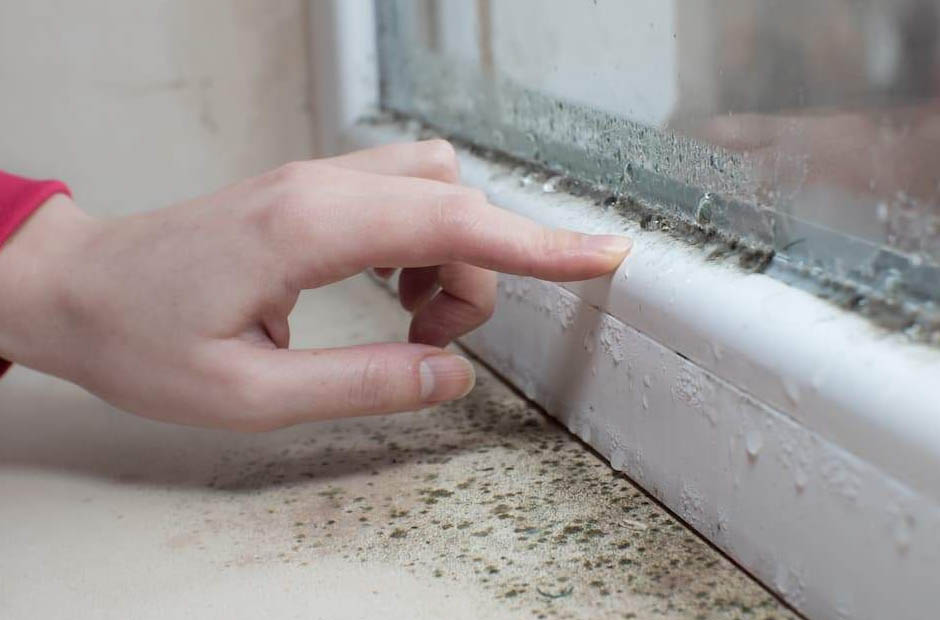
Where there’s water damage, means there’s a good chance for mold to grow.
Even if you live in dry region, such as a desert, mold can still grow in your house. How so? All mold needs is:
- a source of moisture (such as a leak from a pipe)
- heat (room temperature is ideal for mold growth)
- food source (such as wood)
- dark spaces/ hidden areas (basement, attic)
If you suspect, or know that mold is growing in your home, you should always contact mold remediation experts, such as 1-800 Water Damage of Western Colorado.
What Exactly is Mold?
You know what mold looks like (a spongy or fuzzy-like growth), but what is mold, exactly? A type of fungi, mold plays a crucial ecological role by breaking down dead organic matter, (think leaves and twigs).
While this natural process of breaking down matter is great when out in nature, you don’t want this process happening inside your home. Why?
Mold Presents Structural Risks
Mold spores are everywhere. However, mold colonies need a food source to survive. Outside, mold thrives on organic matter. However, mold that grows indoors literally feeds off the material it is growing on, such as:
- wood
- drywall
- insulation
- tile
Basically, mold feeds off the structural elements of your house. Left unchecked, mold can cause visible damage and can even threaten the structural integrity of a building.
Mold Can Put Your Health at Risk
Mold is more than just gross looking. Certain types of mold release toxins that can lead to respiratory distress, even illness. If you or a family member are experiencing chronic respiratory or cold-like symptoms, it is possible there may be a mold issue at your home.
Mold Categories
There are many types of mold, but generally speaking, mold can be separated into three broad categories:
- Allergenic: While these molds are not technically toxic, allergenic mold can still cause allergic reactions.
- Pathogenic: This category of mold can trigger illness in those with weakened immune systems.
- Toxigenic: Toxigenic mold is the most harmful type of mold. These molds release their own toxins (mycotoxins) into the air, which can lead to severe health problems.
Common Mold Types
There are over 100,000 types of mold that exist. While that number may seem terrifying, not all molds are harmful. Some are benign, and some are even used in medicine. However, distinguishing mold types, as well as removing mold, should be always performed by a professional.
Stachybotrys Chartarum
This toxigenic mold, also known as black mold or toxic mold, Stachybotrys Chartarum mold releases toxic compounds (mycotoxins). Breathing in the spores can lead to respiratory and sinus infections, fatigue, and even depression.
Chaetomium
Extremely common in homes that have experienced flooding or significant water leaks, Chaetomium begins as a fuzzy white growth, and over time can take on the appearance of black mold.
Alternaria
A widespread family of mold that is commonly found on interior horizontal surfaces (such as carpets). An allergenic mold, immediate exposure to Alternaria can result in respiratory complaints. Prolonged exposure can cause sinusitis and infection.
Aspergillus
Encompassing 280 species, aspergillus is a pathogenic mold that can cause infection in those with already lowered immune systems.
Penicillium
A species of this mold is the source of penicillin. However, you don’t want penicillium (a pathogenic mold) in your home, as it can trigger asthma.
Signs of Mold in Your Home
Mold isn’t always so obvious. Mold grows by releasing spores, invisible to the human eye. These spores can enter your home through an open window, or via air vents. When these spores encounter water, they begin to grow. Some signs of mold growth include:
- Musty, sour smells
- Cracked surfaces
- Peeling wallpaper
- AC or heating systems smell weird
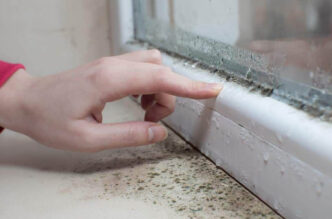
- Visible, discolored patches (orange, white, green, or black)
The Sooner Professionals Remove Mold, the Better
Mold should always be removed by mold remediation experts. These professionals possess the proper training, gear, and protocols to efficiently identify and remove mold. Even if your home experiences a small amount of water damage, remember that mold can still grow—even if you live in an arid region. The sooner you call the experts, the faster they can make your home safe again.
This article was written by Leah Campbell for Third Loft Marketing.