
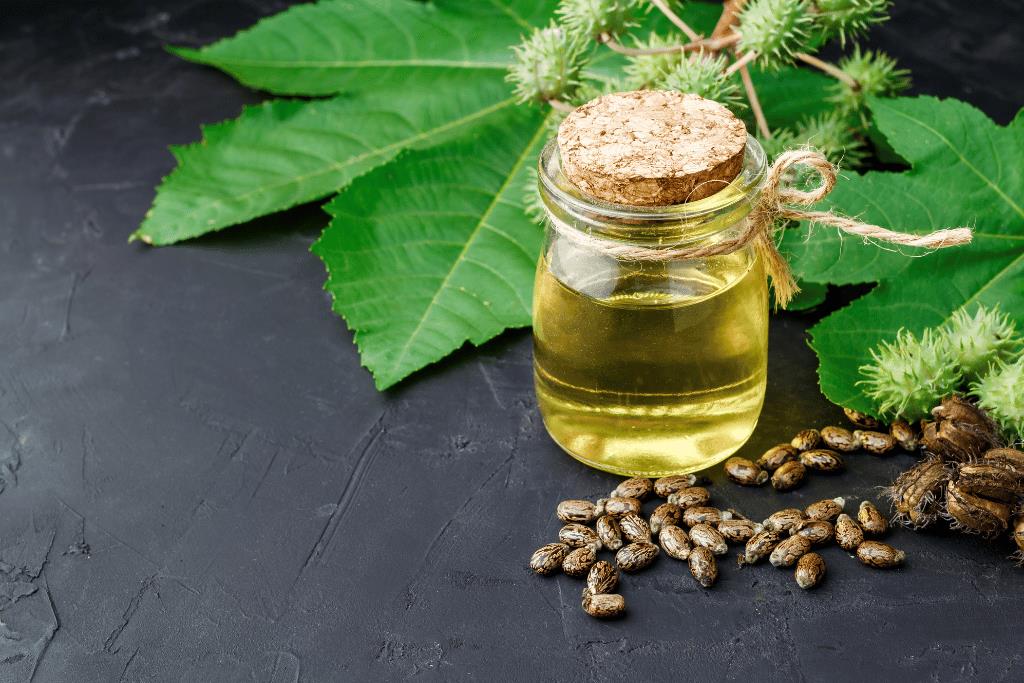
Castor oil has become a go-to ingredient for people looking to simplify their wellness and beauty routines. From skincare and hair care to massage and self-care rituals, it’s often praised for being natural, effective, and versatile. But as its popularity grows, one question comes up again and again: is organic castor oil actually safer for daily use?
The short answer is yes—for most people, organic castor oil is generally the safer option. But understanding why it’s safer, and how to use it correctly, matters just as much as choosing the right label.
Why “Organic” Matters in Daily Use
When a product becomes part of a daily routine, even small differences in quality can make a noticeable impact over time. Organic castor oil is produced from castor beans grown without synthetic pesticides, herbicides, or chemical fertilizers, which means fewer unwanted residues come into contact with your skin or scalp. Brands like The Goodbye Company focus on this level of purity to ensure a cleaner, more skin-friendly experience.
For occasional use, the difference between organic and non-organic castor oil may seem minimal. But in daily routines—especially when applied to sensitive areas like the face, scalp, or lashes—those differences become far more important. Organic certification often reflects higher overall production standards, including cleaner sourcing, careful processing, and stricter oversight from farm to bottle.
Fewer Irritants, Lower Risk
One of the biggest reasons organic castor oil is considered safer for daily use is what it doesn’t contain. Non-organic or highly refined castor oils may be exposed to chemical solvents during processing, or contaminated with trace residues from farming.
Even tiny amounts of these substances can irritate skin when used repeatedly. Organic castor oil, especially when cold-pressed and hexane-free, minimizes these risks.
For people with sensitive skin, allergies, or a history of reactions, reducing unnecessary exposure is often the difference between a product that works and one that causes problems.
Better for the Skin Barrier
Daily-use products should support the skin barrier—not challenge it. Castor oil’s naturally thick, protective texture helps seal in moisture and shield the skin from environmental stressors.
Organic castor oil retains this natural structure more effectively because it undergoes less aggressive processing. This allows the oil to work with your skin rather than sitting on top of it as a heavy, artificial layer.
Over time, this can help reduce dryness, tightness, and irritation when used appropriately.
Daily Use Doesn’t Mean Heavy Use
One important distinction to make: safe for daily use doesn’t mean it should be used heavily every day.
Castor oil—organic or not—is thick by nature. Using too much, too often can clog pores, weigh down hair, or cause buildup on the scalp or skin. Safety comes from moderation and correct application, not from quantity.
Organic castor oil is best used in small amounts, tailored to your routine:
- A few drops mixed into a moisturizer
- Light application to dry areas
- Occasional scalp or hair treatments rather than daily saturation
Used this way, organic castor oil fits well into daily or near-daily care.
Who Benefits Most From Organic Castor Oil?
Organic castor oil is especially well-suited for:
- People with sensitive or reactive skin
- Those using castor oil on the face or around the eyes
- Anyone following a clean beauty or minimalist routine
- Individuals using castor oil consistently over long periods
If castor oil is part of your everyday routine, choosing organic is less about trend-following and more about long-term skin health.
What to Look for Beyond the “Organic” Label
Not all organic castor oils are equal. To ensure daily safety, look for products that are:
- Cold-pressed (to preserve natural compounds)
- Hexane-free (no chemical solvents)
- Fragrance-free (especially important for daily use)
- Stored in dark glass bottles (to protect freshness)
These details matter just as much as the organic certification itself.
Are There Any Downsides?
Organic castor oil isn’t automatically perfect for everyone. Some people may still find it too heavy for daily facial use, especially if they have oily or acne-prone skin. Others may experience clogged pores if it’s layered incorrectly.
This doesn’t mean organic castor oil is unsafe—it means it should be used intentionally. Daily use should be guided by how your skin or hair responds, not by rigid routines.
Patch Testing Is Still Essential
Even with organic products, patch testing is non-negotiable. Natural ingredients can still trigger reactions. Testing before daily use helps avoid long-term irritation or discomfort.
Apply a small amount to a discreet area and observe for 24 hours before regular use.
Final Thoughts
So, is organic castor oil safer for daily use? For most people, yes—when used correctly. Its cleaner sourcing, reduced chemical exposure, and gentler processing make it a smarter choice for routines that involve frequent application.
That said, safety isn’t just about what’s on the label. It’s also about how much you use, how often you use it, and how well it fits your individual skin or hair needs.
When treated as a supportive ingredient rather than a cure-all, organic castor oil can be a reliable, low-risk addition to daily care—simple, effective, and aligned with a more mindful approach to wellness.