
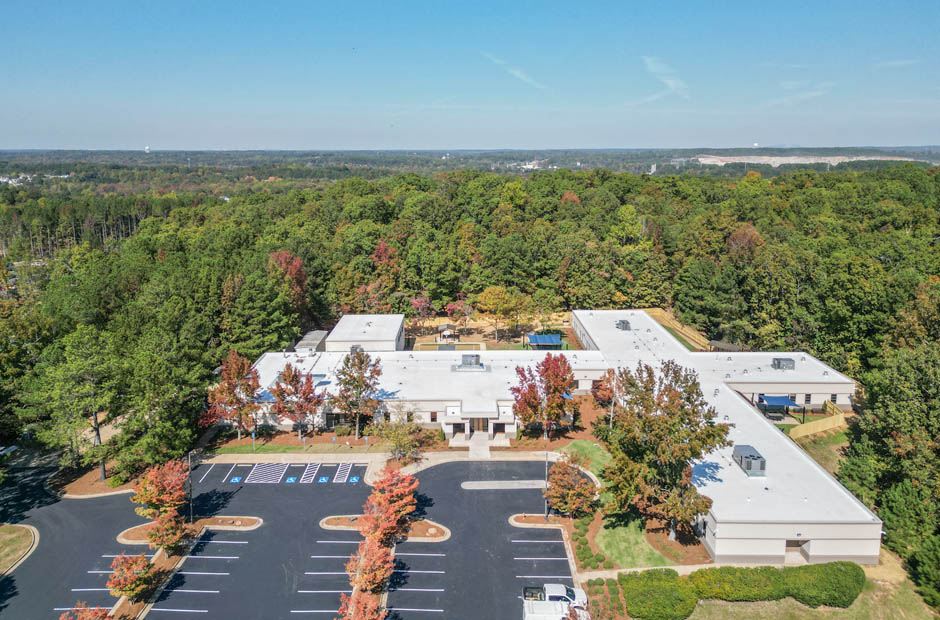
Across the United States, conversations about healthcare access are increasingly shifting away from abstract national debates and toward what care actually looks like on the ground. From hospital deserts in rural areas to long waitlists in growing suburban communities, access is often determined not by policy alone, but by geography. Nowhere is this more evident than in the way addiction treatment and recovery services are distributed and delivered at the regional level.
As substance use disorders continue to affect families, workplaces, and public systems, communities are reevaluating how and where treatment is provided. Facilities designed to serve specific areas rather than broad national populations are becoming an essential part of that conversation.
The Shift Toward Localized Healthcare Solutions
For decades, specialized healthcare services were concentrated in major metropolitan areas. While this model offered efficiency and scale, it also created gaps for people living outside urban hubs. Patients were often required to travel long distances for care, disrupting work, family life, and continuity of treatment.
Today, healthcare planners and providers are increasingly focused on localization. The idea is simple: care is more effective when it is closer to where people live. Regional treatment facilities embody this approach by serving defined geographic areas while remaining integrated into broader healthcare networks.
Why Geography Matters in Addiction Recovery
Addiction recovery is not a single event—it is a process that often unfolds over months or years. Geography plays a major role in whether that process is sustainable. When treatment facilities are located far from a person’s home environment, maintaining follow‑up care becomes more difficult.
Regional centers reduce these barriers by allowing individuals to access treatment while staying connected to their communities. This proximity supports family involvement, smoother transitions into outpatient care, and better coordination with local providers.
Access, Capacity, and Community Demand
Demand for addiction treatment services has risen steadily in recent years, placing pressure on existing healthcare infrastructure. Emergency departments, primary care clinics, and social services often absorb the impact when specialized treatment options are unavailable or over capacity.
By expanding access through regional treatment facilities, communities can distribute demand more evenly across systems. This not only improves outcomes for individuals seeking care, but also reduces strain on hospitals, courts, and public health agencies.
Integrating Treatment Into Broader Health Systems
One of the advantages of regional centers is their ability to integrate with local healthcare ecosystems. Rather than operating in isolation, these facilities often coordinate with hospitals, mental health providers, and social services within the same region.
This integration allows for more comprehensive care planning. Patients can move more smoothly between levels of care, such as inpatient treatment, outpatient programs, and ongoing counseling, without falling through administrative or geographic gaps.
Facilities as Part of Long‑Term Infrastructure
Healthcare infrastructure is often discussed in terms of buildings, equipment, and staffing. Treatment centers are a critical, but sometimes overlooked, component of that infrastructure. Their design, location, and capacity influence how effectively communities can respond to public health challenges.
In regions experiencing population growth or economic change, the presence of appropriately scaled treatment centers can help future‑proof local healthcare systems. Planning for addiction treatment as part of long‑term infrastructure ensures communities are better prepared for evolving needs.
Balancing Specialization With Accessibility
Specialized care is essential for treating complex conditions, but specialization should not come at the expense of accessibility. Regional treatment centers aim to strike this balance by offering focused programs within reachable distances.
Facilities that serve defined areas can tailor services to regional demographics, substance use trends, and cultural contexts. This adaptability allows care models to remain relevant while maintaining clinical rigor.
The Role of Facilities in Recovery Environments
Physical environments play a meaningful role in recovery. Facilities designed with privacy, safety, and comfort in mind can support healing in ways that extend beyond clinical interventions.
When communities invest in thoughtfully designed treatment spaces, they signal that recovery is a priority. Over time, this can help reduce stigma by framing addiction treatment as a standard, respected component of healthcare rather than a marginal service.
Workforce Considerations at the Regional Level
Staffing is a persistent challenge across healthcare sectors, including addiction treatment. Regional centers can help address workforce issues by creating stable employment opportunities within communities.
Clinicians, counselors, and support staff who live locally are more likely to remain in their roles long term, reducing turnover and strengthening institutional knowledge. This continuity benefits patients and contributes to higher overall quality of care.
Economic and Social Ripple Effects
The impact of regional treatment centers extends beyond healthcare. These facilities often contribute to local economies through job creation and partnerships with nearby organizations.
Additionally, improved access to treatment can have downstream social benefits, including reduced emergency service utilization, lower incarceration rates related to substance use, and stronger family stability. Over time, these effects reinforce the value of localized treatment infrastructure.
Understanding What Facilities Offer
Not all treatment centers are the same, and facility design often reflects the scope of services provided. Some focus on short‑term stabilization, while others support longer residential stays and transitional programming.
When evaluating the role of treatment centers, it’s helpful to understand how physical spaces, clinical offerings, and support services work together. Facility overviews can provide insight into how care is structured and how patients move through different stages of treatment.
Community Trust and Familiarity
Trust is a critical factor in healthcare utilization. People are more likely to seek help when they feel familiar with and confident in local institutions. Regional treatment centers benefit from visibility and community engagement that national providers may lack.
Over time, these facilities often build relationships with local employers, schools, and healthcare providers, creating referral pathways that feel personal rather than transactional.
Looking Ahead: Planning for Sustainable Care
As public health priorities continue to evolve, the importance of regional healthcare planning will only grow. Addiction treatment is a clear example of how localized infrastructure can improve access, outcomes, and resilience.
Rather than relying solely on centralized models, communities that invest in regional treatment centers are better positioned to respond to both current needs and future challenges. By embedding care within the places people live, these facilities help transform recovery from an abstract concept into an accessible, ongoing process.
Conclusion
Regional treatment centers play a vital role in modern healthcare systems by bringing specialized addiction care closer to the communities that need it most. Their impact reaches beyond individual patients, influencing public health capacity, economic stability, and social well‑being.
As healthcare continues to move toward more integrated and community‑focused models, the importance of regional treatment infrastructure will become even more apparent. These centers are not just places where treatment happens, they are foundational components of how communities support recovery, resilience, and long‑term health.