
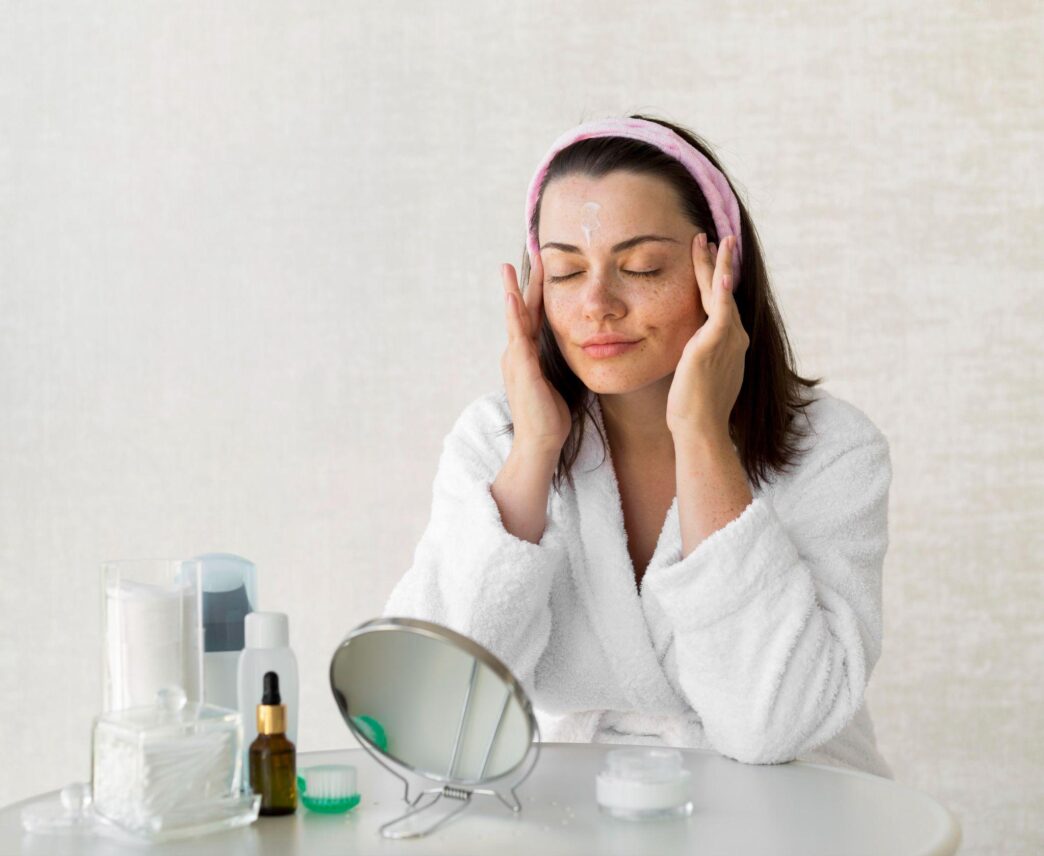
Your skin is constantly responding to its environment. As temperatures shift, humidity rises or drops, and sun exposure changes, your skin’s needs evolve too. Yet many people stick to the same skincare routine year-round, wondering why products that worked beautifully in one season suddenly feel ineffective, or even irritating, in another.
Seasonal skincare adjustments aren’t about overhauling everything you use. Instead, they’re about understanding how weather, climate, and lifestyle changes impact your skin and making thoughtful tweaks to support balance, hydration, and protection throughout the year.
Here’s why your skincare routine should change with the seasons, and how to adapt it effectively using well-designed, curated skincare collections.
How Seasonal Changes Affect Your Skin
Each season brings unique environmental stressors that influence your skin barrier, oil production, and moisture levels.
Temperature Fluctuations
- Cold weather constricts blood vessels, reducing natural moisture delivery to the skin
- Heat increases sweat and oil production, which can clog pores
Humidity Levels
- Low humidity dries out the skin and weakens the barrier
- High humidity can lead to excess oil, congestion, and breakouts
Sun Exposure
UV exposure varies significantly by season but affects skin year-round, contributing to premature aging, pigmentation, and sensitivity.
Understanding these changes helps explain why a single, static routine often falls short.
Winter Skincare: Repair and Protect the Barrier
Cold air, indoor heating, and low humidity make winter one of the harshest seasons for your skin.
Common Winter Skin Concerns
- Dryness and flaking
- Increased sensitivity
- Tight, uncomfortable skin
- Dull appearance
How to Adjust Your Routine
In winter, your priority should be hydration and barrier repair.
Key routine changes include:
- Switching to a gentle, non-stripping cleanser
- Layering hydrating serums before moisturizer
- Using richer creams to lock in moisture
- Reducing exfoliation frequency
Curated hydration or sensitive-skin collections are ideal during winter because they focus on calming, nourishing ingredients that support barrier health without irritation.
Spring Skincare: Rebalance and Renew
As skin emerges from winter dryness, lightweight hydration becomes essential. Products like an Illuminating Daily Moisturizer help restore moisture while enhancing natural radiance without feeling heavy. During spring, moisturizers with brightening and hydrating properties support smoother texture, even tone, and a refreshed glow—making them ideal for daily use as oil production begins to balance.
Common Spring Skin Concerns
- Lingering winter dryness
- Increased oil production
- Seasonal allergies affect sensitivity
How to Adjust Your Routine
Spring skincare should focus on gentle renewal and balance.
Smart spring updates include:
- Gradually reintroducing exfoliation
- Switching to lighter moisturizers
- Using brightening serums to refresh dull skin
Brightening or skin-renewal collections work well during this season, helping improve texture and tone while preparing your skin for increased sun exposure.
Summer Skincare: Control Oil and Protect
Summer brings heat, humidity, and higher UV exposure, all of which can overwhelm the skin if your routine isn’t adjusted.
Common Summer Skin Concerns
- Excess oil and shine
- Breakouts and congestion
- Sun damage and pigmentation
How to Adjust Your Routine
Summer skincare should prioritize oil balance and sun protection.
Effective summer strategies include:
- Using lightweight gel or lotion textures
- Choosing non-comedogenic formulas
- Applying broad-spectrum sunscreen daily
- Cleansing thoroughly but gently
Acne-focused or oil-control curated collections are especially helpful in summer, offering targeted treatments that manage breakouts without stripping the skin.
Fall Skincare: Repair Summer Damage
After months of sun exposure, fall is a recovery season for your skin.
Common Fall Skin Concerns
- Dehydration from lingering heat
- Sun damage and uneven tone
- Increased sensitivity
How to Adjust Your Routine
Fall skincare is about repair and strengthening.
Key fall routine updates include:
- Reintroducing nourishing creams
- Using antioxidant or anti-aging serums
- Gradually increasing hydration layers
Anti-aging and skin-repair collections are ideal for fall, helping restore moisture, improve elasticity, and address sun-related damage before winter arrives.
Why Curated Skincare Collections Make Seasonal Transitions Easier
Switching products one by one can be overwhelming—and mismatched formulas may irritate. Curated skincare collections simplify seasonal changes by offering products designed to work together.
Benefits of Using Curated Collections
- Balanced formulations that support specific skin concerns
- Fewer compatibility issues between products
- Easier routine adjustments with minimal guesswork
- Consistent results across seasonal transitions
Whether focused on hydration, acne control, sensitive skin, or anti-aging, curated sets allow you to adapt your routine without starting from scratch.
Seasonal Skincare by Skin Type
Dry Skin
Dry skin benefits from richer formulas in colder months and lightweight hydration in warmer ones. Hydration-focused collections help maintain comfort year-round.
Oily Skin
Oil production increases in heat and humidity. Acne and oil-control kits help manage shine in summer, while gentler formulas prevent over-drying in winter.
Sensitive Skin
Seasonal extremes often trigger sensitivity. Sensitive-skin collections with calming ingredients help reduce redness and irritation during transitions.
Aging Skin
Anti-aging routines should adapt seasonally, lighter textures in summer, richer treatments in winter, to support firmness and hydration without clogging pores.
The Role of Exfoliation Across Seasons
Exfoliation is essential, but it should vary with the weather.
- Winter: Minimal exfoliation to avoid barrier damage
- Spring: Gentle exfoliation to refresh skin
- Summer: Light exfoliation to prevent congestion
- Fall: Gradual increase to repair texture and tone
Using exfoliation products from curated collections ensures balanced formulas that won’t overwhelm the skin.
Don’t Forget Seasonal Sun Protection
UV exposure affects skin year-round—even in colder months.
Seasonal SPF Tips
- Use lightweight SPF in summer for comfort
- Choose a moisturizing SPF in winter
- Reapply during outdoor activities, regardless of season
Sun protection remains one of the most important steps in preventing premature aging and maintaining healthy skin.
Lifestyle Changes That Affect Seasonal Skincare
Seasonal changes aren’t just environmental, they’re behavioral.
- Winter indoor heating increases dryness
- Summer outdoor activities increase sun exposure
- Seasonal travel exposes skin to new climates
Adjusting your skincare routine alongside lifestyle shifts ensures better consistency and long-term results.
Signs It’s Time to Change Your Routine
Your skin often tells you when it needs something different.
Watch for:
- Increased dryness or oiliness
- New breakouts or sensitivity
- Products feel too heavy or ineffective
These signs usually signal a seasonal shift rather than a product failure.
Final Thoughts: Skincare Should Evolve, Just Like the Seasons
Your skin isn’t static, and your skincare routine shouldn’t be either. Seasonal changes affect hydration, oil production, sensitivity, and overall skin health, making routine adjustments essential for consistent results.
By understanding seasonal skin needs and using thoughtfully curated skincare collections designed for hydration, acne control, sensitive skin, or anti-aging, you can adapt seamlessly throughout the year.
When your skincare evolves with the seasons, your skin stays balanced, resilient, and healthy, no matter the weather outside.