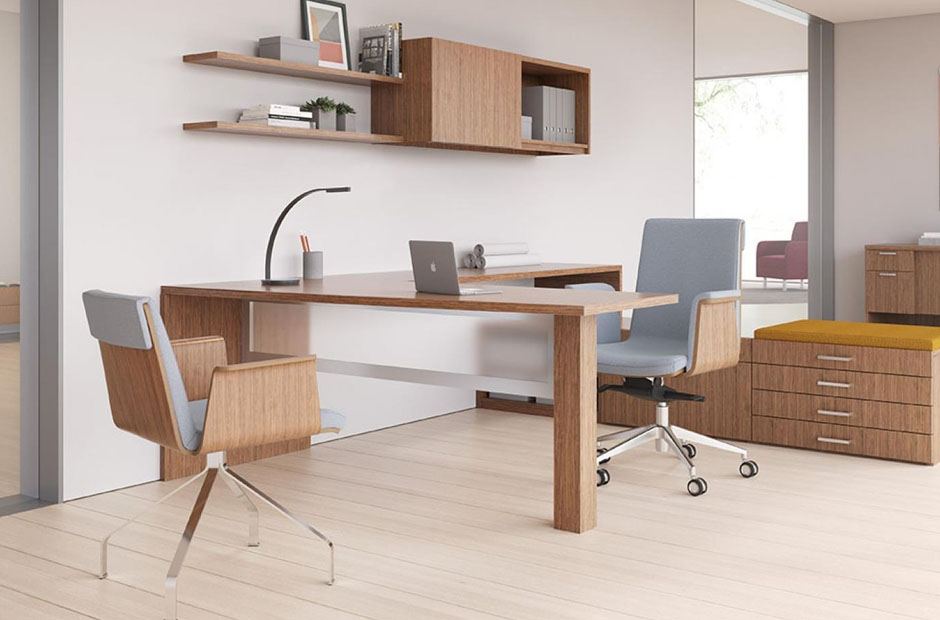
In a modern workspace, the necessity of ergonomic office furniture cannot be overstated. One crucial element in this category is the ergonomic chair, which offers significant benefits. Ergonomic furniture is specifically designed to support the human body, particularly the back, neck, and arms, during extended periods of sitting.
Employees spend a large portion of their day at their desks, and without the proper support, this can lead to a variety of health issues, including back pain and repetitive strain injuries. Implementing ergonomic solutions is essential to prevent these problems and improve employee wellbeing.
Benefits of Ergonomic Chairs
Ergonomic chairs are crafted to provide optimal comfort and support. They typically feature adjustable components such as seat height, backrest angle, and armrest position. These adjustments ensure that users can personalise their seating position according to their individual needs, promoting a healthy posture.
A well-designed ergonomic chair reduces strain on the body by evenly distributing the user’s weight. This reduces the risk of musculoskeletal disorders, which are common in traditional office settings. Moreover, comfortable seating can enhance concentration and productivity.
Enhancing Productivity with Ergonomic Furniture
The relationship between employee comfort and productivity is well-documented. When workers are comfortable, they are more likely to focus on their tasks and perform efficiently. Ergonomic furniture plays a pivotal role in creating a conducive working environment.
A shift towards ergonomic setups not only addresses health concerns but also boosts overall employee morale. Organisations that invest in quality ergonomic furniture often see a return on investment through increased productivity and reduced absenteeism due to work-related health issues.
Choosing the Right Ergonomic Furniture
Selecting appropriate ergonomic furniture involves understanding the specific needs of the workforce. It is important to consider factors such as the nature of the work being performed and the individual preferences of employees.
Consultations with ergonomic specialists can provide valuable insights into the best furniture options available. Additionally, employee feedback is crucial in determining the effectiveness of the furniture choices made.
Ergonomics in the Home Office
With the rise of remote working, home office ergonomics has become increasingly important. Many individuals have created home workstations without considering ergonomic best practices. Investing in home office furniture that supports the body can prevent long-term health issues.
Home workers should seek to replicate the ergonomic benefits found in corporate offices. This includes investing in an ergonomic chair and ensuring that monitors and keyboards are positioned correctly to minimise strain.
Future of Ergonomic Office Design
As workplace design continues to evolve, the emphasis on ergonomics is set to increase. Companies are recognising the value of ergonomically designed spaces in fostering healthy, productive work environments.
Future trends may include more personalised ergonomic solutions, as well as the integration of smart technology to adapt furniture to individual needs dynamically. Innovations in materials and design are likely to enhance the effectiveness of ergonomic products further.
Conclusion
Ergonomic office furniture is an essential investment for any modern workplace. By prioritising employee comfort and wellbeing, businesses can create a healthier, more productive work environment. The ergonomic chair is just one example of how thoughtful design can make a significant impact.
Employers and home workers alike should consider the long-term benefits of incorporating ergonomic furniture into their offices. The initial investment can lead to substantial health and productivity benefits, underscoring the importance of ergononomics in the workplace.