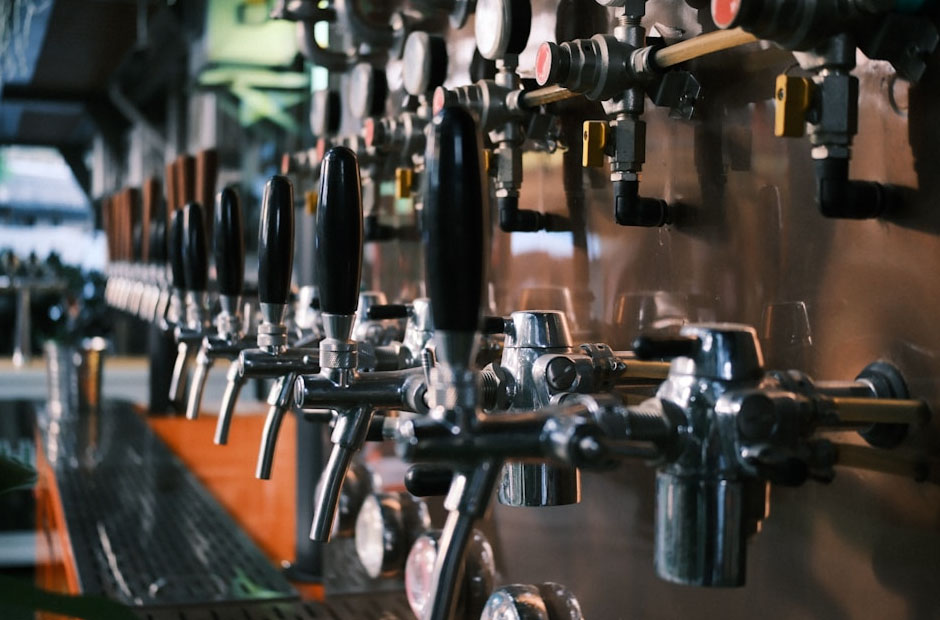
Maintaining a steady flow of fresh, flavorful beer is a fundamental aspect of running a successful bar or restaurant. Neglected or improperly cleaned beer lines can lead to off-flavors, bacterial contamination, and ultimately, dissatisfied customers. A meticulous approach to beer line maintenance can ensure that beverages remain at their peak quality, creating a positive drinking experience for patrons.
By adhering to recommended cleaning protocols and using the right equipment, establishments can prevent the buildup of yeast, bacteria, and beer stone, which can jeopardize beer quality and system performance. Below, explore the critical components of beer line maintenance necessary for any bar or restaurant striving for excellence in their service.
Essential Beer Line Maintenance Practices for Bars and Restaurants
To keep beer tasting its best, bars and restaurants must establish a regular maintenance routine. This includes periodic flushing of lines with specialized cleaning solutions to remove any organic material that could influence beer flavor and quality.
Establishments typically follow a maintenance schedule that includes a thorough line cleaning every two weeks, although the frequency may increase depending on the volume of beer served. Ignoring this routine can lead to rapid mold and bacterial growth, posing a health hazard and affecting the establishment’s reputation.
For optimal results, many businesses invest in professional beer line maintenance services. These services often provide more thorough cleaning than what can be achieved in-house and can also offer expert assessments of system integrity and performance.
Cleaning and Sanitizing Beer Lines: Methods and Frequency
Effective beer line cleaning and sanitizing are integral to maintaining an excellent draught system. There are various methods available, including mechanical action cleaning (e.g., recirculating pumps) and chemical action cleaning, which uses specific detergents to eliminate contaminants.
While the specifics may vary, a standard recommendation is to clean lines every two weeks. For businesses with high turnover or those serving a wide variety of beers, weekly cleaning might be prudent to preserve the distinct flavors of different brews. This frequency ensures the eradication of biofilm, a common culprit in off-tasting beer, and prolongs the life of the beer system.
Actionable guidance for establishments includes comprehensive staff training on the correct procedures for cleaning, including disassembling and thoroughly cleaning faucets, couplers, and Foam on Beer (FOB) detectors, as well as the appropriate use of cleaning chemicals and sanitizers.
Recognizing and Addressing Common Issues in Beer Line Systems
A proactive approach to maintaining beer lines also involves recognizing signs of potential issues before they escalate. Common red flags include unusual tastes or odors, an unexpected change in the beer’s appearance, or foaming issues that cannot be remedied by the usual troubleshooting steps.
These symptoms often indicate line obstruction, bacterial growth, or issues with gas pressure and temperature settings. Regular line inspections can catch these signs early, enabling timely interventions such as deeper cleaning, equipment replacement, or recalibration of the system.
Moreover, training staff to detect such irregularities will aid in prompt identification and resolution. Documenting these events also helps to track maintenance needs and schedule services before they impact customer satisfaction or business operations.
Investing in Quality Beer Line Maintenance Equipment and Supplies

Investing in high-quality maintenance equipment and supplies is vital for ensuring the longevity of a draught system. Quality beer line cleaners, sanitizers, and brushes are designed to match the materials and construction of beer lines, preventing damage while effectively removing contaminants.
When selecting products, it’s important to evaluate their compatibility with the system and the type of beer served. Some establishments might opt for environmentally friendly or non-caustic cleaning products that are less harsh on equipment and safer for employees to handle.
For ongoing efficiency and safety, bars and restaurants might also consider investing in automated cleaning systems that consistently maintain lines with minimal labor. However, these investments must always be balanced against the size and turnover of the establishment to ensure cost-effectiveness.
Beer line maintenance is a critical component of bar and restaurant operations that cannot be overlooked. By integrating regular cleaning schedules, staying vigilant for system issues, and investing in the right equipment and supplies, establishments can safeguard the quality of their beer offerings. A dedication to maintenance excellence will not only enhance the customer experience but also contribute to the business’s overall success and reputation.