
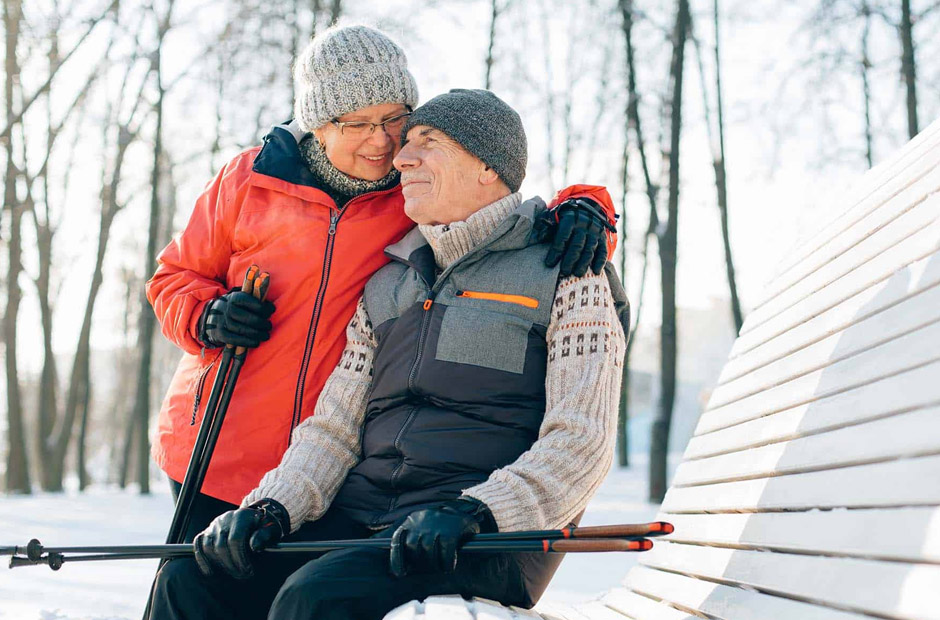
With January 2026 having what appears to be extreme winter weather across most of the United States, ice storms and heavy snowfall have left thousands of people with dangerous walks and sidewalks. For Americans age 65 and older, these conditions can be more than a nuisance. Slipping on ice is a major cause of serious injuries to older adults, especially in the winter months when more people crash into emergency wards.
What makes winter walking so dangerous for older adults?
It’s not just the slippery surfaces that pose a danger in winter; the time-tested heavy walkers, which often weigh more, are even more unwieldy for people who must push them around snowbanks or heave them over icy thresholds. The cold also stiffens joints and slows reaction times, complicating matters if an unfortunate walker slips.
Carrying a heavy walker under a bulky coat prevents the elderly from moving their arms freely or standing on their own as they should when walking. Large numbers of those seniors simply don’t go out and instead kill time indoors, less active than they would be in normal times just when moving around would be best for them.
How are lightweight walkers changing the winter safety equation?
Modern lightweight walkers, particularly products from high-quality manufacturers like Rollz, weigh as little as 11 pounds while maintaining stability. This weight reduction translates to better control on slippery surfaces because users can make quick adjustments without fighting against their mobility aid. The lighter frame also means less force is needed to stop or change direction when encountering an icy patch.
The design improvements extend to the wheels themselves. Newer models feature wider wheel bases and advanced braking systems that engage with minimal hand pressure. Some include all-terrain wheels with enhanced tread patterns specifically tested on winter surfaces. These features allow users to maintain their regular routines even when weather conditions worsen.
Does the benefit extend beyond the winter months?
Winter safety may be the driving factor that puts you in these shoes but all year, there are benefits to the lightweight walkers. Customers say they have less soreness in the shoulder and wrist during long shopping trips, and it’s easier to load and unload into cars. It is also lighter and easier for the caregiver to assist while requiring less physical strength.
Physical therapists have observed another advantage: patients using lightweight walkers are more likely to stand with good posture, since they do not feel the need to compensate for a heavy device. A mobility device that does not feel heavy will be seen as an aid, not a limitation on movement.
What practical steps improve winter walker safety?
Inspect the wheels for winter and replace any with worn treads. If your roller permits, add ice grippers or all-terrain wheels. Have a small brush on hand to brush off snow from brakes and joints. And most importantly, plan routes based on cleared pathways rather than shortcuts, even if that means a longer walk.
Don’t forget to consider things like build quality, warranty coverage, and adjustment options. There’s no sense in getting an oversized model or one that is too short for your needs or is not sturdy enough.