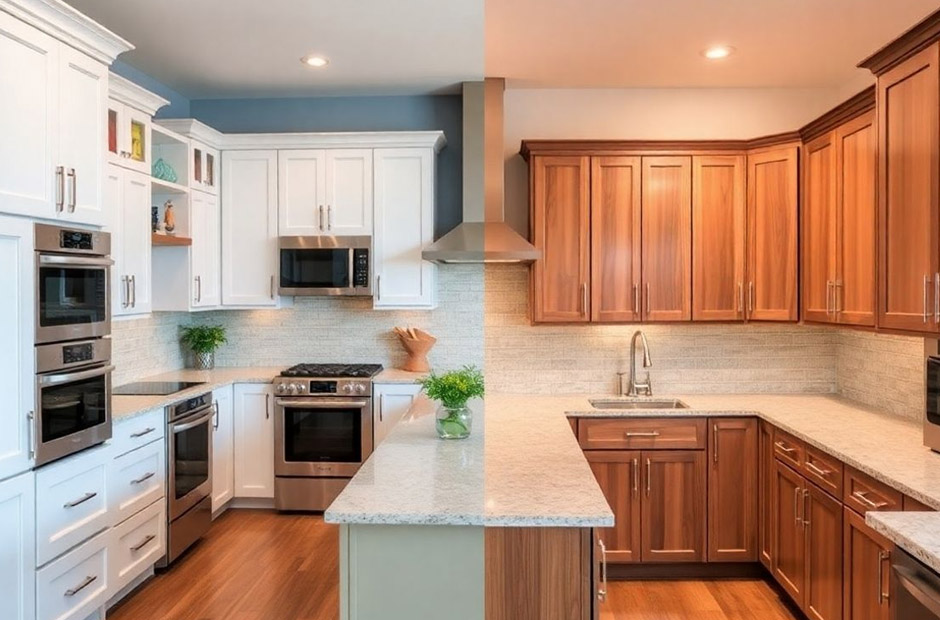
When it comes to kitchens, deciding between a custom or off-the-shelf can be daunting. Bespoke kitchens provide bespoke solutions, but they are pricier and take longer to produce; ready-made ones are quicker and less costly but can mean that the layout or materials used are not quite what you had in mind.
For homeowners using LBC Mortgage loans, understanding budget, timelines, and quality is crucial. Ready-made kitchens range in price from $8,000 to $15,000 and will take 2–4 weeks, while a custom kitchen will cost between $25,000 and over $50,000 and require 8–16 weeks. For no surprises, for your kitchen to fit your lifestyle, and for you to get the most bang for your buck.
Budget Differences
Custom kitchens typically cost two to three times as much as prefabricated units. Materials, customized designs, and labor pump up the price. As an example, a 12-foot IKEA kitchen runs $12,000 on average with cabinets, hardware, and the cost of installation. That same layout custom-built with solid wood cabinets and soft-close drawers? Here, it’s $30,000 to $35,000. And labor alone can be another $5,000–$10,000 more with the complexity of the build.
Then there is the dark spending: custom kitchens that need structural work, having to rewire or replumb a room. Newspapers and magazines have reported jumps of nearly 10–15% over original costs. Ready-made kitchens are cost-competitive since the designs, sizes, and finishes are determined.
You can up the finishes, but you pay for it with each change. If you’re tight on money, prefabricated will give you more of a pop. If you absolutely have to have a particular floor plan or are set on high-quality materials, then custom can make sense — but only if you really can handle the added $10,000-$20,000 without flinching.
Production Timelines
Time influences kitchen remodel planning. Ready-made kitchens are quick to ship, usually within 2-4 weeks of the order being placed. If walls and plumbing are ready, installation can be done in 2–3 days. Custom kitchens take longer. Design approval, material sourcing, and cabinet building stretch timelines to 8-16 weeks. Delivery can take as long as 20 weeks on complex layouts or rare materials.
And here’s a nuance: long waits are typical in custom projects. Wood finishes, countertop slabs, and the like or imported decorative hardware may be delayed. Contractors could also line up several jobs, increasing the wait. If you want a kitchen for an event coming up, then ready-made means quick. Custom kitchens are flexible in design but not timing. For many homeowners, timing is more important than making it personal, unless they can plan months in advance and are willing to be slightly inconvenienced.
Another consideration is project coordination. Custom kitchens can involve multiple trades—carpenters, plumbers, electricians, and countertop professionals working in sequence. It is not effortless to staff such a skilled workforce adequately, and if you get anything wrong in the planning, no line comes down. Prefabricated kitchens make that easier, since it requires fewer trades and is more installable. Knowing these things can help homeowners create realistic schedules to minimize frustration during renovations.
Material Quality
High-end materials are spectacular when you have the money to spend that those cookie-cutter kitchens don’t. Included offerings are solid wood cabinets, quartz countertops, and soft-close hardware (estimated life 15-20 years with care).
Even though the ready-made kitchens are primarily made with MDF, particleboard, or laminate, they generally have a lifespan of around 5-10 years before they begin to show signs of wear. Cabinets could warp, and hinges in them could fail earlier. The trick is finding the sweet spot between cost and longevity. Tips for choosing materials wisely:
- Cabinets: Solid wood lasts longer; MDF is cheaper but less durable.
- Countertops: Quartz or granite resist scratches and heat better than laminate.
- Hardware: Soft-close hinges and quality handles improve usability and lifespan.
Investing in quality materials ensures daily functionality and supports long-term resale value. Cutting corners rarely pays off.
Resale Impact
Kitchens affect home resale more than many other rooms. Buyers perceive finishes, layout efficiency, and durability. Ready-made kitchens can be sold successfully if they are modern and well looked after, but generic designs do little to please the buyer. Custom kitchens built to trends or functional needs may boost home value between 5 and 10 percent in the U.S. if appliances, counters, and storage are modernized.
There’s a catch: designs that are too personalized could turn off potential buyers. Dark woods or odd layouts or custom colors can feel dated quickly. For resale-oriented homeowners, midrange custom or cool off-the-shelf kitchens feel just right. In other words, ready-made is safer if you plan to resell in the short term; custom pays off if you are planning to stay in the home for years and want a statement accent.
It’s also worth taking maintenance and durability into account when planning your kitchen. Quality materials like quartz countertops, solid wood cabinets, and high-end hardware hold up better and look better over time. And finally, durable finishes can save on long-term repairs and make your kitchen continue to look modern, which is good for daily life and resale values.