Have you ever slept for a full night and still woken up feeling drained? For some adults, the reason is not only stress or schedule. Teeth alignment, jaw position, and tongue room can all affect how comfortable breathing feels once your body relaxes. That does not mean every sleep issue starts with your bite, but it does make the connection worth understanding.
Your Mouth Can Influence Sleep More Than You Think
Your mouth does more during sleep than many people realize. Once you drift off, the muscles in your face, jaw, and tongue relax. If the space inside the mouth is already limited, that relaxed posture can change how easily air moves during the night. That is why oral structure can become more noticeable after bedtime.
Tongue space matters more than most people assume. When teeth are crowded or the dental arch feels narrow, the tongue may have less room to rest comfortably. For some adults, that can contribute to mouth breathing, light snoring, or a general sense that sleep never feels settled.
This is not a simple on-or-off switch. Plenty of people have bite issues and sleep well, while others notice symptoms for several reasons at once. Still, once you understand how the mouth and airway can overlap, the patterns are easier to recognize.
Certain Bite Patterns Tend to Show Up at Night
Some bite patterns tend to show up most clearly at night. Crowding, a narrow upper arch, a pronounced overbite, or a lower jaw that sits farther back can all affect how the tongue rests once the body is fully relaxed. These details do not confirm a breathing problem on their own, but they can help explain why nighttime discomfort shows up for some people more than others.
The signs are often ordinary at first. You may wake up with a dry mouth, notice that you sleep with your mouth open, or hear from a partner that you snore lightly now and then. Some people also feel tension through the jaw first thing in the morning.
A few common patterns readers notice include:
- waking with a dry mouth
- sleeping with the mouth open
- light snoring that comes and goes
- jaw tightness in the morning
When those signs start repeating, it helps to think in terms of context rather than quick conclusions. A dentist can look at alignment, wear, crowding, and the way your bite comes together, which is why a more tailored approach to personalized preventive dental care can be a sensible starting point.
Clear Aligners May Help Some Adults Only Indirectly
Clear aligners are designed to move teeth gradually, not to act as breathing devices. Their main job is to improve alignment over time by guiding teeth into better positions. Even so, tooth movement can sometimes change spacing, arch form, and the way the bite fits together. For some adults, those changes may make the mouth feel less crowded.
That possible benefit is usually indirect rather than dramatic. In the right case, reducing crowding or coordinating the arches more effectively may give the tongue a little more usable space or make jaw posture feel more balanced at night. The growing interest in crooked teeth and nighttime breathing patterns comes from the fact that alignment can influence how the tongue rests and how comfortably air moves during sleep. Even so, the connection is individual, and results are never as simple as straightening teeth alone.
Possible indirect pathways can include:
- creating more room in a crowded mouth
- improving arch coordination
- easing the effect of certain bite relationships
The limits matter just as much as the possibilities. Results depend on the person, the severity of the alignment issue, and whether the sleep complaint is actually tied to oral structure in the first place. That is why “may help some adults indirectly” is a much more accurate frame than promising a breathing fix.
Nighttime Breathing Symptoms Still Need Proper Medical Attention
This part should stay straightforward: ongoing nighttime breathing symptoms deserve real attention. If someone notices loud snoring, gasping, pauses in breathing, or strong daytime fatigue, that goes beyond casual curiosity about bite alignment. The National Heart, Lung, and Blood Institute has a useful overview of common warning signs of sleep apnea, and it is worth reviewing if those patterns keep showing up.
A few red flags are especially hard to ignore:
- breathing that seems to stop and start
- waking up gasping
- persistent morning headaches
- feeling unusually sleepy during the day
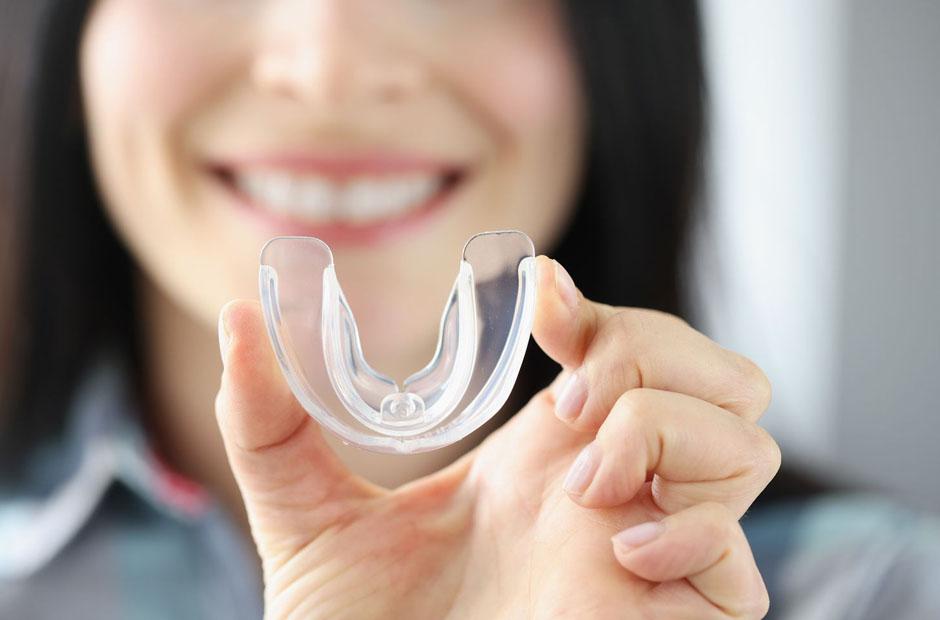
It also helps to separate clear aligners from sleep-specific devices. Routine aligners are meant to move teeth over time, while custom oral appliances used for obstructive sleep apnea are designed for a different purpose and are worn to help support nighttime airway function. The tools and goals are not the same.
Sometimes the best next step involves more than one perspective. A dentist may spot crowding, jaw position, or bite-related strain, while a healthcare provider may look at whether symptoms point to a sleep-breathing disorder that needs proper evaluation. A balanced plan usually works better than assuming one answer explains everything.
Daily Sleep Habits Still Shape the Bigger Picture
Even when bite alignment is part of the discussion, your routine still matters. Sleep often feels worse when bedtime changes constantly, screens stay on too late, or the room is too warm and noisy. The CDC’s guidance on everyday habits that improve sleep quality reinforces the basics: a steady schedule, a comfortable room, and fewer late stimulants can all make a real difference in how rested you feel.
A few simple habits are worth keeping in view:
- keep your bedroom cool and quiet
- stick to a more regular bedtime
- cut back on late caffeine or alcohol
- reduce screen time before sleep
Those habits do not replace dental care, but they do give you a clearer baseline. If you clean up your routine and still wake with a dry mouth, jaw tension, or restless sleep, the pattern becomes easier to evaluate. That is where sleep hygiene strategies that support better rest can work alongside dental insight instead of competing with it.
The goal is not perfection. It is consistency long enough to notice what changes and what does not. Small improvements can be useful, and a lack of improvement can be useful too.
Conclusion
Your bite can affect how comfortable sleep feels at night, especially when crowding, tongue space, or jaw position are already part of the picture. Clear aligners may help some adults indirectly, but they are not a blanket solution and should not be treated as a substitute for proper evaluation when symptoms keep repeating. The most useful approach is usually the simplest one: notice the pattern, strengthen the basics, and get the right kind of support when nighttime breathing concerns do not ease.