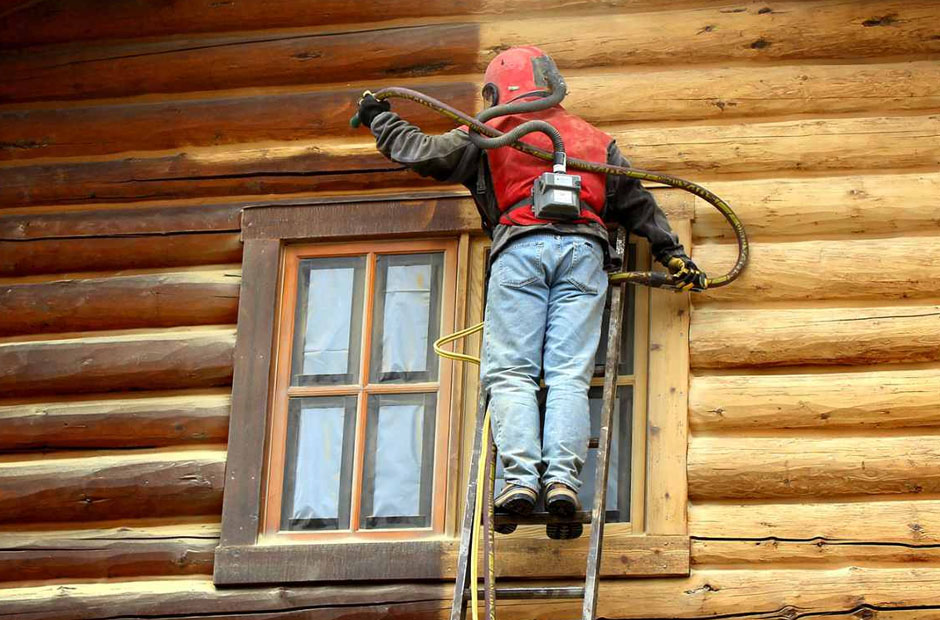
When restoring log homes, professionals follow a detailed process aimed at enhancing structural integrity and visual appearance. They begin by removing compromised wood through precision cutting; this helps prevent the spread of decay, emphasizes Hawaii Coastal Management team. Here is more information about log home restoration:
Structural Inspection
A structural inspection involves a comprehensive evaluation of the current state of the logs and the entire building. Skilled professionals examine the wood for signs of decay or rot. They search for evidence of insect activity, such as carpenter bees or termites, that might compromise the home’s stability. The process includes identifying issues related to structural settling and moisture retention, and this helps professionals determine the specific repairs needed. Inspections provide the data needed to create a customized and effective repair plan. Professionals can identify vulnerable areas like joints or corners that are affected by prolonged moisture exposure. Pinpointing how the existing logs interact with moisture allows experts to anticipate and prevent future weaknesses.
Rot Removal
Once a repair company identifies areas where moisture or pests have compromised log integrity, professionals remove the decayed material. This stage prepares the home for the installation of new wood and provides a healthy and stable underlying foundation. As a homeowner, recognizing early signs of wood rot allows you to schedule timely repair services to prevent extensive damage. Signs can include discolored or soft wood; some logs also have a musty smell.
Specialists identify and extract wood that has suffered deterioration due to moisture infiltration. For sections that need structural intervention, they cut new logs to match the precise size and shape of the original timber. Replacing damaged sections with healthy wood may enhance energy efficiency by improving insulation and sealing out drafts. In cases where full replacement is not needed, refacing services help restore the exterior appearance while maintaining structural stability. This allows the home to keep more of the original wood, and only damaged areas on the surface are replaced.
Wood Preservative Application
Log home restoration experts may apply borate treatments to logs; this creates a protective barrier against wood-destroying organisms. These treatments penetrate the wood fibers to deter pest infestation. When insects attempt to ingest the treated wood, the preservative disrupts their ability to derive nutrients by altering digestion. These treatments further inhibit the growth of wood-decaying fungi that thrive in moist conditions, preventing future rot from taking hold.
Wood preservatives help to preserve the natural beauty of the timber. The treatment should remain active within the wood fibers for extended periods, so it may reduce the frequency of intensive structural repairs. By stabilizing the wood against biological threats, the application helps the logs maintain their structural weight-bearing capacity.
Sealant Application
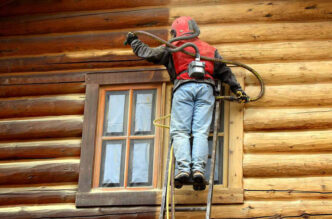
Sealant application can protect the home from external elements by creating a weather-tight barrier between logs. These specialized materials adhere to the wood while accommodating the expansion and contraction that occurs due to temperature shifts. Experts seal gaps and cracks to prevent moisture from entering the interior of the log; this helps stop the development of biological growth and wood rot. The barrier may eliminate drafts to improve internal climate control and physically deters pests from getting through crevices.
Professionals apply sealants by injecting flexible materials, such as caulk, into the joints and gaps throughout the log structure. This procedure begins with the installation of a backing rod into larger crevices. Experts use equipment like a caulking gun to apply the material along the seams to create a continuous bond. Once the material is in place, they shape it to achieve a smooth finish that integrates with the wood’s contours.
Ongoing Preservation
After completing the initial repairs, professionals may establish a schedule for routine inspections to monitor the home for future issues. The approach involves checking the integrity of the seals and the condition of the wood surfaces. Establishing a routine schedule for professional evaluations helps identify thinning seals and cracks before they evolve into structural concerns. Experts can perform immediate corrective action to reduce the need for large-scale interventions in the future.
Explore Log Home Restoration Services
Professionals review details of their work to verify that the home’s structural integrity has been successfully revived. They can match different architectural styles, such as dovetailed designs, to make new components indistinguishable from the old ones. Contact a reputable log cabin restoration company to learn more about their services.