Older industrial buildings are still indispensable to many production operations. Their value often comes from location, footprint, and long-standing infrastructure rather than modern design. While newer facilities may offer built-in efficiencies, many organizations continue to invest in existing spaces because they already support active workflows. Adapting these buildings means working with what is there, not forcing changes that disrupt operations or stretch resources unnecessarily.
Modern production places new demands on space, systems, and safety. Equipment operates differently, data plays a larger role, and expectations around efficiency have grown. Addressing these needs inside an older structure requires patience and precision. Each upgrade must fit within physical limits while supporting long-term use. Success depends on planning that respects the building’s history while allowing it to function reliably in a current production environment.
Managing Space During Renovation
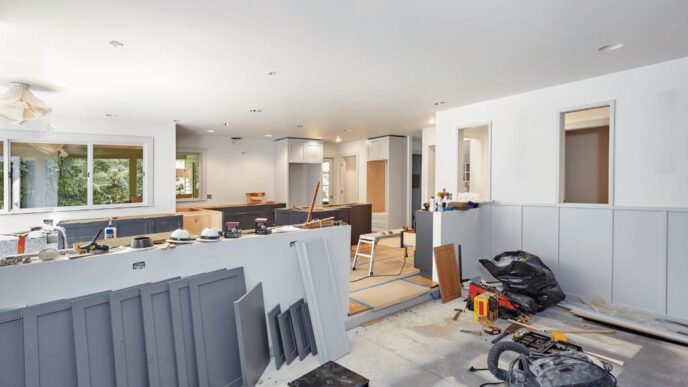
Renovation inside an active industrial facility brings immediate spatial challenges. Equipment must be moved, materials staged, and work zones isolated without interrupting production. Interior space fills quickly, especially in buildings that were already operating near capacity. Without a strategic plan, congestion can slow progress and increase safety risks.
Temporary storage, like containers, can prove incredibly helpful during these transitions. Shipping containers allow facilities to relocate equipment and materials without moving them off-site. Such portable moving storage adds flexibility by providing adjustable space that can shift as renovation phases change. Together, these solutions help keep interior areas organized and accessible, allowing renovation work to move forward while production continues around it.
Working Within Ceiling Height Limits
Ceiling height is one of the few constraints that cannot be easily changed. Many older industrial buildings were designed around smaller machinery and simpler processes. Modern equipment often requires additional clearance for operation, access, and maintenance. If vertical space is limited, planning becomes critical.
Facilities approach this challenge by aligning equipment placement with available clearance and adjusting layouts to support safe operation. In some cases, production processes are reorganized to better fit the vertical profile of the space. Careful coordination between operations and engineering teams helps prevent costly missteps. Working within ceiling limits requires discipline and attention to detail, but it allows production to remain efficient without altering the building’s structure.
Updating Electrical Infrastructure
Electrical systems often reveal the largest gap between older buildings and modern production needs. Original wiring and distribution panels were rarely designed for advanced machinery, automated systems, or digital monitoring tools. As production becomes more technology-driven, electrical reliability becomes central to daily operations.
Upgrading electrical infrastructure involves more than increasing capacity. Access points, safety controls, and maintenance pathways must be considered alongside power delivery. Facilities often phase electrical upgrades to avoid downtime, coordinating work around production schedules. Thoughtful integration helps new systems function smoothly within existing frameworks, supporting dependable operation without unnecessary disruption.
Integrating Modern Safety Systems
Safety requirements have grown alongside production complexity. Older industrial buildings may lack the infrastructure needed to support current standards for monitoring, emergency response, and worker protection. Updating safety systems within existing layouts requires careful planning and coordination.
Modern safety features must fit within established pathways, work zones, and structural boundaries. Installation often happens alongside other upgrades, making sequencing important. When planned well, these systems support safer working conditions without altering daily workflows. Integration focuses on functionality and reliability, allowing facilities to meet current expectations while maintaining operational continuity.
Balancing Preservation with Functional Upgrades
Some industrial buildings carry architectural, historical, or structural significance that influences how upgrades can be implemented. Preservation requirements introduce additional considerations into renovation planning, shaping how upgrades are evaluated and implemented. Changes must support modern production without compromising the defining features of the structure.
Facilities tackle this balance through selective upgrades that focus on function while respecting original elements. Structural reinforcements, system upgrades, and layout adjustments are planned to work within existing constraints. Collaboration between operations teams and preservation specialists helps guide decisions.
Adapting Older Foundations for Vibration-Sensitive Equipment
Modern production equipment often reacts to vibration in ways older machinery did not. Precision tools, automated systems, and sensitive processes place new demands on building foundations that were designed for heavier but less delicate loads. Older slabs and support structures may transmit movement that affects accuracy, consistency, or equipment lifespan.
Facilities address this by evaluating how vibration travels through existing foundations. Reinforcement, isolation systems, or targeted structural adjustments help create stable operating conditions.
Enhancing Thermal Control within Outdated Building Envelopes
Temperature regulation presents ongoing challenges in older industrial buildings. Original walls, roofs, and insulation often struggle to maintain consistent internal conditions. Fluctuating temperatures affect equipment operation, material handling, and worker comfort, all of which influence daily productivity.
Improving thermal control focuses on practical upgrades that fit within existing envelopes. Insulation enhancements, sealing improvements, and system adjustments help stabilize interior conditions. These changes support reliable production environments while reducing strain on heating and cooling systems.
Incorporating Digital Monitoring into Legacy Structures
Digital visibility has become central to modern production management. Sensors, monitoring systems, and data platforms support maintenance planning, quality control, and operational oversight. Older buildings often lack the infrastructure needed to support these tools seamlessly.
Integration requires careful planning to route cabling, mount devices, and support connectivity without disrupting production. Facilities often introduce digital systems in phases, aligning upgrades with other renovation work. This approach allows legacy structures to support modern monitoring while maintaining operational continuity and minimizing downtime.
Modifying Loading Areas for Current Logistics Needs
Logistics demands have evolved alongside production methods. Vehicle sizes, delivery frequency, and material handling requirements place new pressures on loading docks and access points. Older facilities may struggle to support these demands without modification.
Adjustments focus on improving access, circulation, and safety around loading areas. Reconfigured docks, improved traffic flow, and updated handling equipment support smoother operations. Such changes help align older facilities with current logistics expectations, reducing delays and improving coordination across supply chains.
Supporting Future Expansion within Fixed Structural Limits
Growth planning becomes more complex within existing structures. Fixed columns, load-bearing walls, and site boundaries limit expansion options. Facilities must think creatively to support growth without major reconstruction.
Forward-looking planning helps identify areas that can support additional capacity through layout changes or equipment upgrades. Flexible infrastructure and modular design elements support adaptation over time. This approach allows facilities to extend useful life and remain responsive to changing production needs.
Creating Flexible Zones for Evolving Production Demands
Production processes rarely remain static. Product lines change, workflows evolve, and technology advances. Fixed layouts limit responsiveness and increase the cost of future changes.
Flexible zones support reconfiguration without extensive construction. Movable equipment, adaptable utilities, and modular layouts allow facilities to adjust as needs change. This flexibility supports long-term resilience and helps older buildings remain relevant within dynamic production environments.
Adapting older industrial buildings for modern production requires thoughtful planning, technical insight, and respect for existing constraints. Through targeted upgrades, flexible design, and careful coordination, legacy facilities can continue to support reliable, efficient production.