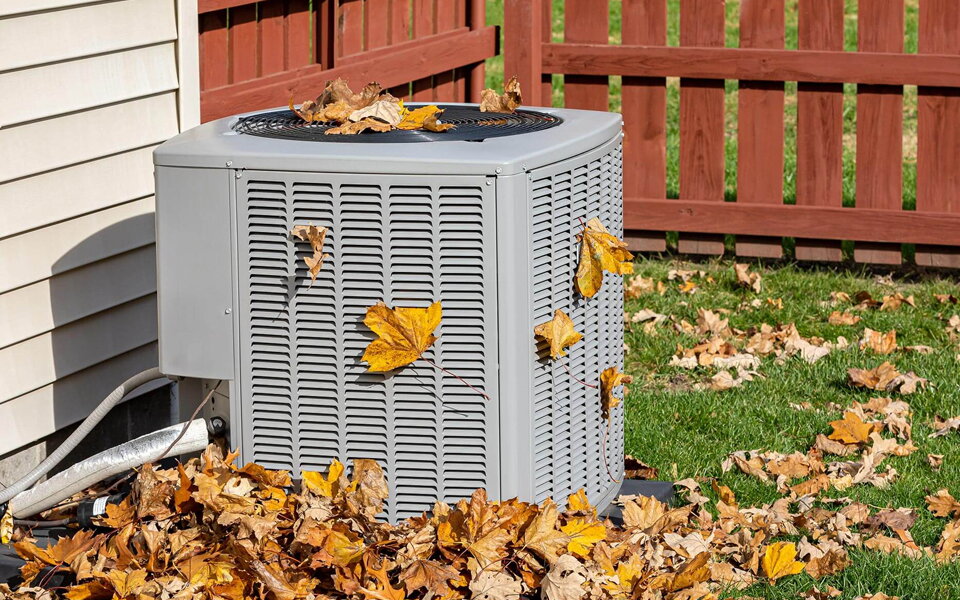
Autumn brings chilly mornings, softer light and a collective sigh from families that have endured months of blasting heat. While others are swapping lawn chairs for blankets, your air conditioner needs a reset. The summer’s hard work has left it with dust, detritus, and quiet tiredness. Autumn is the ideal time to inspect your cooling system before winter routines and the first hot day rush of next year.
When you service your AC in the fall, you’re not just checking a box. You’re banking efficiency, prolonging equipment life, and sidestepping the drama of surprise breakdowns. With schedules opening up and temps easing off, this is the season where smart maintenance pays off in a big, quiet way.
The Fall Scheduling Sweet Spot
As the weather cools, demand on HVAC pros tapers off. That means easier booking, shorter wait times, and a more relaxed pace that favors deep, unhurried inspections over whirlwind fixes. You’re far more likely to snag the time slot you want and get techs who can linger, test every component, and clean what summer left behind. The off-peak calendar can also translate to friendlier pricing and fewer emergency fees. In other words, fall gives you prime access to expert attention without the midsummer scramble.
Stop Spring Surprises Before They Start
Summer is tough on a cooling system. Filters load up. Coils collect grime. Minor electrical gremlins start to creep in. If these little issues hibernate all winter, they turn into big headaches the moment you switch the system back on in spring. A fall tune-up catches them early—refrigerant irregularities, loose connections, sluggish fans, worn capacitors—so they’re fixed while you’re not relying on the AC every hour. The payoff is simple: fewer surprise repairs, less downtime, and a system that wakes up next year ready to run.
Tune-Ups That Trim Your Energy Bills
Clean parts move air and exchange heat better. When coils, filters, and motors are clean, your AC works less to provide the same comfort. Smoother performance and cheaper utility expenses add up month after month. Fall tuning locks in these improvements for the next cooling season and reduces your home’s electricity burden. Efficiency is the subtle difference between a struggling and cruising machine.
Maintenance That Adds Years to Your System
Every season of heavy lifting leaves a mechanical footprint. Compressors endure heat and pressure. Fan motors spin endlessly. Bearings, belts, and contacts age in a way you won’t see—until you do. Fall maintenance presses pause on that wear. Technicians clean, lubricate, tighten, and test so small stresses don’t become big failures. Over time, these checkups add up to fewer major repairs and a longer life for the entire system. It’s insurance you can actually measure: more seasons from the unit you already own.
A Calm Season for Smart Upgrades
Autumn is the uncommon time to ponder renovations without the pressure of summer or the holidays. Pros may check your thermostat, filtration system, and components for efficiency during a routine visit. You can carefully plan a replacement or upgrade on your timetable and typically at better availability than peak season. The outcome is a winter-ready and summer-ready home.
Cleaner Coils, Cleaner Air
When cooling systems get grimy, they don’t just lose efficiency; they can compromise the air you breathe. Dust, pollen, and moisture combine into a mix that can irritate allergies and seed musty odors. Fall cleaning targets exactly where that gunk hides—on evaporator coils, inside the blower housing, along the condensate path, and in filters—so you’re circulating clean, crisp air instead of whatever last July left behind. It’s an invisible upgrade you feel every time you walk through the door and inhale.
Comfort, Covered
There’s a certain calm in knowing your AC is ready, no matter what the forecast says months from now. Fall service buys that peace. Without the urgency of triple-digit temps, parts can be ordered without panic, repairs can be scheduled without disruption, and you can head into winter with a system that’s prepped and documented. When warm weather returns, you flip the switch and move on with your day—that’s the quiet luxury of planning ahead.
What a Pro Fall Service Typically Covers
A complete autumn visit is slow. Airflow to fine-tuned performance are the steps. Evaporator and condenser coils will be cleaned to restore heat transmission, filters checked for airflow, and the blower assembly inspected for dust and balance. Capacitors, contactors, relays, and wire are examined and tightened, and motors are checked for amperage draw and strain.
Refrigerant levels are checked to confirm the system is operating within spec, and the condensate drain is cleared to prevent wintertime backups and spring leaks. Thermostat calibration gets a look, too, so your setpoint matches your living room reality. It’s all about making sure every piece of the puzzle is ready to work together efficiently when the mercury climbs again.
FAQ
Why is fall better than spring for AC maintenance?
With lower demand in fall, you get faster scheduling and more thorough service, often at better rates. Problems discovered now won’t blindside you on the first warm day.
Will a fall AC tune-up help my heating system?
Indirectly, yes—shared components like thermostats and electrical circuits benefit from inspection, and overall system health supports better year-round comfort.
How long does a typical fall service visit take?
Most tune-ups take 60–90 minutes, but complex systems or discovered issues can extend that window.
Do I really need maintenance if my AC ran fine this summer?
Small issues can lurk behind “fine,” and they tend to surface under stress; a quick tune-up now prevents costly fixes later.
Can routine maintenance extend my unit’s lifespan?
Yes. Cleaning, tightening, and testing reduce wear on critical parts, delaying major failures and replacement.
Will servicing in fall lower my energy bills?
A clean, calibrated system runs with less effort, which typically translates to lower electricity use and smoother performance.