We admire the soaring glass of a new tower or the clean lines of a completed bridge. We rarely, if ever, consider the countless decisions made in quiet rooms that allowed those forms to rise. For any construction endeavor, the path from concept to completion is a narrow trail flanked by unseen pitfalls and missed turns. The common instinct is to charge forward, trusting the core team’s map. But what if that map is incomplete? This is where the deliberate act of seeking an external, expert perspective transforms from an optional expense into a fundamental pillar of project integrity, notes American Dream Realty And Management team.
The Myth of the Self-Contained Team
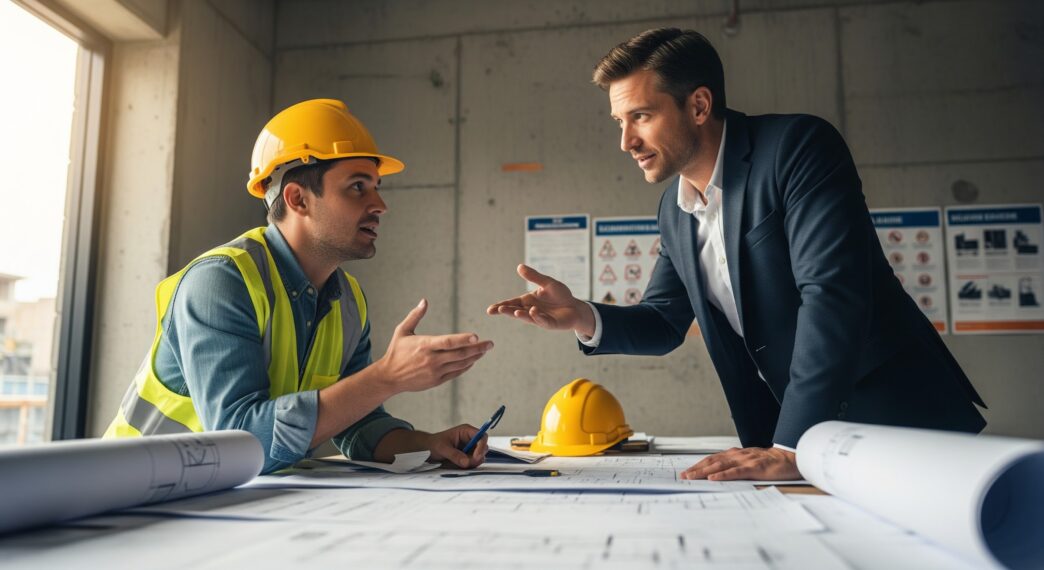
No single organization, no matter how talented, possesses a perfect, inward-facing repository of all knowledge. Internal teams develop their own cultures and standardized methods, which, while efficient, can create blind spots. An outside view challenges ingrained assumptions. A specialist from a firm such as Mitchell McDermott brings a different library of experiences, a catalog of solutions from other sites, other challenges, other failures and triumphs. This external vantage point can identify a foundational flaw in a logistical plan or spot a regulatory conflict everyone else missed, precisely because they are not immersed in the project’s internal echo chamber.
Interrogating the Invisible
Much of a consultant’s value lies in questioning elements the primary team takes for granted. Why is that specific mechanical system the default choice? Has anyone calculated the long-term maintenance liability of this beautiful but complex facade? Could a different procurement strategy attract more competitive bids? This structured skepticism is not antagonistic; it is a rigorous stress-test of the project’s logic. It forces the team to articulate and defend their choices, strengthening the rationale for good decisions and exposing the weakness of those made from habit or haste.
Navigating the Bureaucratic Labyrinth
The legal and regulatory framework governing construction is a dense, ever-shifting text. Municipal codes, zoning ordinances, environmental regulations, and safety mandates form a complex web that can ensnare the unprepared. A seasoned advisor acts as a translator and guide through this bureaucratic terrain. Their familiarity with the specific personalities and procedures within local authorities can streamline approvals, turning a potential months-long stalemate into a matter of weeks. This expertise not only saves time but also prevents the catastrophic cost of having to redesign permitted work.
The Currency of Objectivity
Financial discussions within a project team can be fraught with internal politics and competing departmental interests. An independent consultant provides a dispassionate, unbiased analysis of the budget and cost forecasts. Their assessment carries a weight that internal reports often lack, especially when presented to financiers or board members. This objectivity is crucial for validating the project’s financial health, securing funding, and making tough decisions about value engineering without the cloud of internal bias.
Crystallizing the Vision
Sometimes, the greatest challenge is not how to build, but clarifying what should be built. Owners and stakeholders can have conflicting or vaguely defined expectations. A consultant can facilitate crucial conversations, helping to distill a multitude of ideas into a coherent, actionable set of project goals. They help translate abstract desires into specific, buildable requirements, ensuring that the entire team is aligned and marching toward the same definitive endpoint before a single shovel hits the dirt.
An Investment, Not a Cost
Framing a consultant’s fee as a mere cost overlooks its true nature. It is a strategic investment in risk mitigation, efficiency, and certainty. The expense of their engagement is almost always a fraction of the potential cost overruns, delays, or legal disputes they help avoid. They provide the owner with something invaluable: confidence. Confidence that the plan is sound, the budget is realistic, and the project is built on a foundation of examined decisions, not unchecked assumptions. In the high-stakes world of construction, that confidence is the most critical material of all.