Key Takeaways
- The integration of smart technologies, such as IoT sensors and AI, is transforming commercial roof monitoring and maintenance.
- Sustainable materials, green roofs, and solar integration are raising the bar for eco-friendly and energy-efficient building practices.
- Advanced materials and coatings offer superior durability and weather resistance, cutting long-term costs and maintenance needs.
- Automation and robotics are improving jobsite safety and installation precision, reducing human error and labor-intensive tasks.
As commercial buildings strive to increase efficiency, the roofing industry is rapidly adopting new trends and technologies. These advancements are redefining how facility managers and property owners approach durability, sustainability, and long-term cost savings. Among the most significant regional leaders in this evolution are providers like South Florida commercial roofing, which remain at the forefront of modernization while addressing local weather and regulatory requirements. Understanding these breakthroughs is vital for anyone seeking to optimize roof performance, lower operational costs, and support environmentally responsible choices.
The focus on innovative, eco-friendly roofing reflects responses to climate change, urbanization, and demands for transparency. Advances like smart sensors and climate-ready coatings turn roofs into intelligent systems, offering property owners better monitoring, fewer repairs, and higher ROI. Building codes and sustainability certifications are increasingly shaping roofing choices. Contractors are adopting methods and technologies that extend lifespan, reduce disruption, and transform roofs into strategic assets, helping owners stay compliant and gain a competitive edge. Commercial roofs are also central to energy strategies, from solar power generation to reflective “cool” systems, positioning them as tools for both immediate and long-term cost and energy savings.
Smart Roofing Technologies
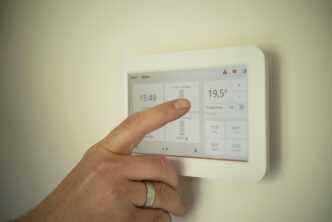
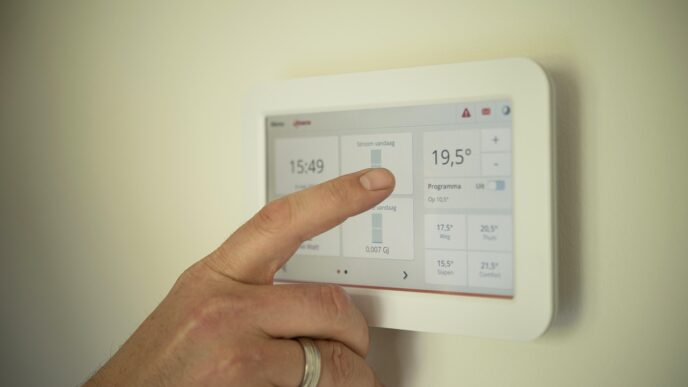
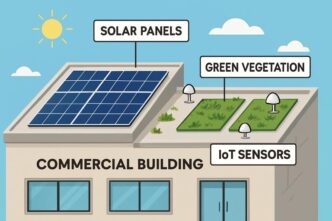
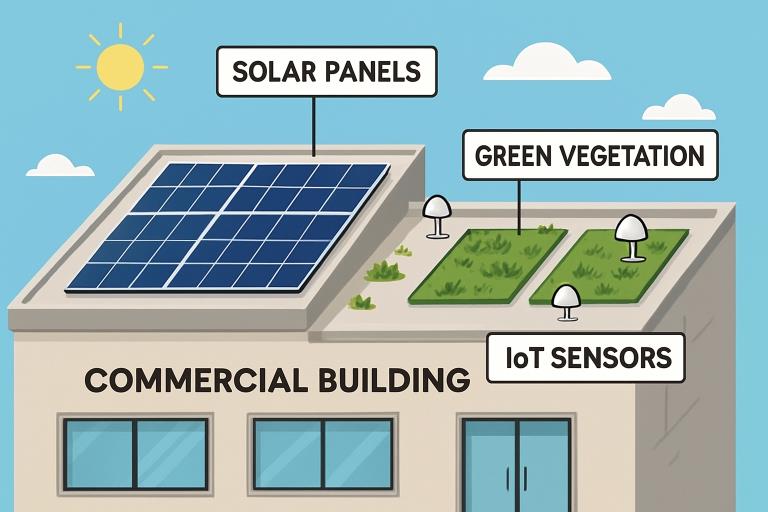
Commercial roofs are quickly transforming into intelligent assets. The inclusion of IoT devices enables real-time monitoring of roof health, measuring key metrics such as temperature, humidity, and even structural shifts. This data is relayed instantly, enabling facility managers to address minor issues before they devolve into major repairs. AI takes this information further, identifying patterns and predicting when preventive maintenance is needed—helping organizations budget more accurately and minimize downtime. Enhanced digital monitoring also integrates with larger building management systems to provide seamless facility oversight, creating efficiency across multiple sites.
Sustainable and Green Roofing Solutions
Growing awareness of climate change and tightening environmental regulations are fueling the movement toward sustainable roofing. Green roofs, layered with vegetation and specialized soils, offer natural insulation, improved stormwater runoff control, and enhanced biodiversity. In urban landscapes, such systems can mitigate heat island effects, providing long-term benefits to building owners and the broader community. Similarly, cool roofing systems with bright, reflective surfaces reduce a building’s solar heat gain, lowering cooling loads and associated energy costs. The integration of solar photovoltaic panels is on the rise as well, enabling property owners to generate clean energy and offset utility expenses while potentially capitalizing on tax credits and green building certifications. The U.S. Environmental Protection Agency offers insights into the environmental and cost advantages of green roofing technologies. These innovations illustrate a larger trend of turning rooftops into active, sustainable components of buildings. As interest grows, more property owners are seeking solutions that enhance energy efficiency, promote environmental responsibility, and offer economic benefits.
Advanced Roofing Materials and Coatings
Commercial roofing materials and coatings now incorporate sophisticated technology to extend roof lifespan while resisting extreme conditions significantly. Self-healing membranes can automatically seal minor punctures and cracks, making repairs quicker and less labor-intensive. Polymer-based waterproof coatings create seamless barriers that repel moisture and debris, further reducing weather-related damage. Additionally, reflective and elastomeric coatings help maintain lower rooftop temperatures, contributing to both energy savings and improved comfort inside the building. These advanced solutions not only reduce operating costs but also support a building’s overall sustainability and resilience, making them a valuable component of any commercial facility’s maintenance plan.
Automation and Robotics in Roofing
The deployment of automation and robotics is making commercial roofing projects safer, faster, and more precise. Robotic systems now manage repetitive tasks such as applying membranes and fasteners, freeing up human workers for more complex and skilled operations while reducing workplace injuries. Drones provide unprecedented access for comprehensive rooftop inspections, capturing high-resolution images and thermal data to spot early signs of leaks, insulation voids, or structural issues. This allows for actionable insights without exposing inspectors to dangerous conditions. Robotic and drone-assisted installations are quickly becoming industry best practices, setting a new standard for project efficiency and quality control that meets today’s rigorous demands.
Energy-Efficient Roofing Systems
Energy efficiency is a defining objective for modern commercial roofing systems. Cool roofs equipped with highly reflective coatings deflect a significant portion of solar radiation, decreasing building temperatures and saving on air conditioning costs. Vegetative green roofs add both insulation and natural cooling, making them doubly effective in lowering energy bills. Solar roofs, meanwhile, turn roof space into a productive asset by generating on-site renewable energy, reducing dependence on traditional power grids and enhancing building resilience. As new standards and incentives emerge, integrating energy-efficient technologies is becoming increasingly essential to maximizing ROI and operational sustainability for every commercial property.
Conclusion
As technology and sustainability reshape the commercial roofing landscape, property owners and facility managers benefit from smarter, tougher, and greener options than ever before. Incorporating IoT, AI, green technologies, advanced coatings, and automation reduces costs, improves building performance, and supports community-wide sustainability objectives. Staying up to date on these commercial roofing trends offers a clear path to optimized investment, operational efficiency, and future-proof compliance.