Emergencies can happen anywhere-at home, work, or in public. Knowing how to act quickly can save lives. That’s why learning CPR (Cardiopulmonary Resuscitation), First Aid, and Bloodborne Pathogen (BBP) safety is so important.
These skills prepare you to protect yourself and others in any emergency. Read on.
What is CPR?
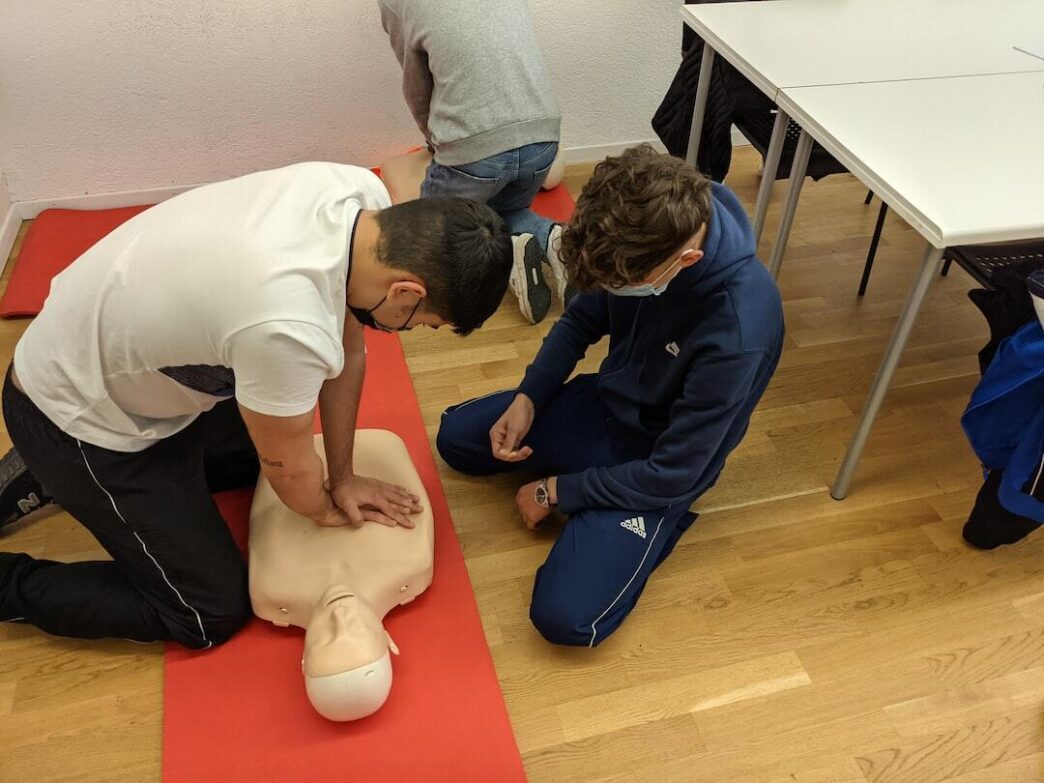
When someone stops breathing or their heart stops beating, CPR can save their life. To keep blood and oxygen flowing through the body until assistance comes, it combines rescue breaths with chest compressions. Gaining knowledge of CPR offers you the self-assurance to act quickly in an emergency.
Modern CPR focuses on strong, continuous chest compressions and reducing pauses. Training usually includes hands-on practice and simple instructions so anyone can help effectively.
Why First Aid Matters
First Aid is about giving quick help for injuries or sudden illness. It covers problems like:
- cuts
- burns
- broken bones
- choking
- allergic reactions
The main goal is to stabilize the person, prevent more harm, and ease pain while waiting for professional help. First Aid training teaches simple skills such as cleaning wounds, wrapping bandages, using splints, and spotting serious conditions. Practicing these skills in drills helps you respond confidently in real-life situations.
Understanding Bloodborne Pathogens (BBP)
Bloodborne pathogens are germs in blood or body fluids that can cause diseases like HIV or hepatitis. BBP training teaches how to reduce the risk of infection.
This includes using gloves and other protective gear, safely disposing of contaminated items, and cleaning surfaces correctly. BBP awareness is especially important for healthcare workers, first responders, and anyone who may come in contact with blood or bodily fluids.
How These Skills Work Together
Learning CPR, First Aid, and BBP safety together gives you complete emergency preparedness. You can handle life-threatening situations, prevent infection, and care for injuries.
These skills are useful everywhere-at home, in schools, at work, or in public places. Regular practice and refreshers help you stay confident and ready.
Training for Everyone
These skills are not just for healthcare workers or first responders. Anyone can benefit from CPR, First Aid, and BBP training-parents, teachers, office workers, and even teenagers.
The more people who know how to act in emergencies, the safer the community becomes. Classes are designed for all ages and experience levels, with practical exercises that make learning easy and effective. Check out CPR/FA + Bloodborne Pathogens to learn more.
Why Regular Practice Matters
Learning these skills once is not enough. Regular practice keeps knowledge fresh and builds confidence for real emergencies.
Guidelines and techniques can change, so updating your training ensures you are using the safest and most effective methods. Practicing drills and reviewing procedures frequently can make the difference when seconds count.
Benefits Beyond Emergencies
These skills do more than save lives. They also build confidence, calmness, and responsibility.
People trained in CPR and First Aid stay focused under pressure and can help others effectively. For workplaces, having certified staff improves safety, reduces accident severity, and shows a commitment to health and well-being.
Prepare for a Safer Future
Being trained in CPR, First Aid, and BBP safety is an investment in life. With these skills, you can act fast in emergencies, protect others, and make your community safer. Emergencies are unpredictable, but knowledge and preparation can make all the difference.
If you want to read more articles, visit our blog.