Your home is your sanctuary, a place of safety and comfort. However, natural disasters can threaten that security in an instant. Preparing your property to withstand extreme weather events is one of the most important investments you can make in your family’s safety and your own peace of mind. Fortifying your home doesn’t always require a complete renovation; many effective measures are simple and accessible.
This guide provides essential tips for strengthening your home against various natural hazards, including high winds and seismic activity. By taking proactive steps, you can significantly improve your home’s resilience and better protect what matters most.
Reinforce Your Home’s Structure
The structural integrity of your house is its first line of defense. Focusing on key weak points can make a substantial difference in how well it holds up during a disaster.
Strengthen Your Roof
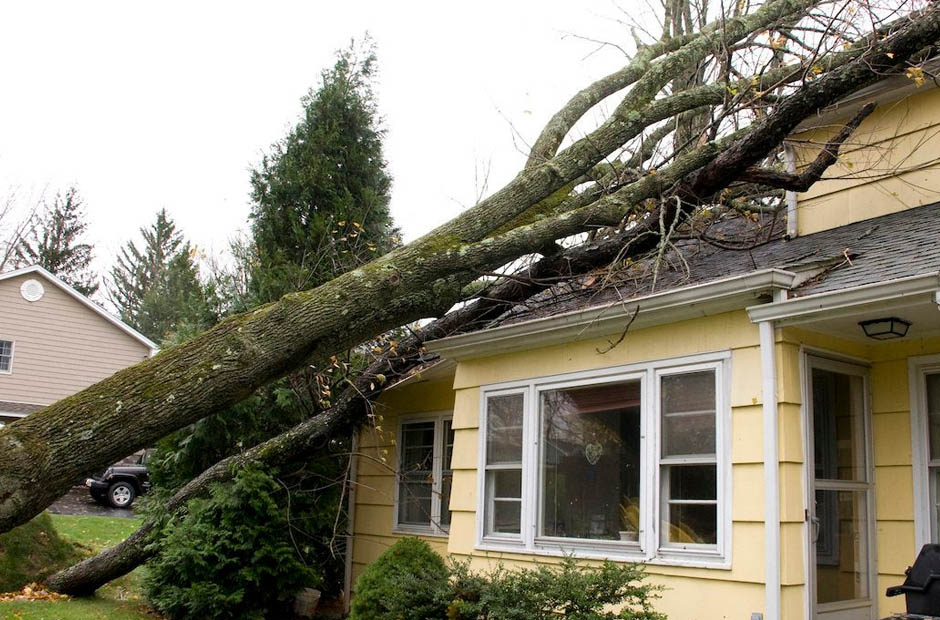
The roof is one of the most vulnerable parts of a house during a storm. High winds can lift and peel away shingles, exposing the interior to severe water damage. To secure it, consider hiring a professional to install hurricane straps or clips. These metal connectors tie the roof structure to the walls, making it much more resistant to uplift. When it’s time for a replacement, investing in durable materials can provide long-term protection. High-impact options, including certain types of steel roof panels, offer superior resistance to hail and wind.
Secure Doors and Windows
Windows and doors, especially large garage doors, are common failure points during high winds. Wind entering through a broken window or door can create immense internal pressure, potentially leading to roof failure. You can fortify windows by installing impact-resistant storm shutters. For a more budget-friendly option, have cut to size plywood panels ready to install over windows before a storm arrives. Reinforce your garage door with a bracing kit designed to withstand high winds. All exterior doors should have at least three hinges and a deadbolt with a one-inch throw.
Mitigate Water and Fire Risks
Water and fire are two of the most destructive forces a homeowner can face. A few preventative measures can help you manage these risks effectively.
Improve Drainage and Prevent Flooding
Flooding can cause catastrophic damage. Start by ensuring your gutters and downspouts are clear of debris so that water can flow freely away from your house. The ground around your foundation should slope away from the home to prevent water from pooling. In flood-prone areas, consider installing a sump pump in your basement or crawlspace to actively remove water. You can also install flood vents in your foundation walls, which allow floodwater to flow through the home’s lower level instead of building up pressure against the walls.
Create a Defensible Space
For homes in areas prone to wildfires, creating a defensible space is critical. This is a buffer zone between your house and the surrounding vegetation. The goal is to reduce the amount of flammable material near your home. Clear away dead plants, dry leaves, and overgrown brush within at least 30 feet of your house. Prune tree branches so they are at least 10 feet away from your roof and chimney. Choose fire-resistant landscaping plants and use non-combustible materials like gravel or pavers for walkways and patios near the house.
Prepare for Specific Regional Threats
Different regions face different primary threats. Tailoring your preparations to the specific risks in your area is the most effective strategy.
Secure Your Home for Earthquakes
In seismically active zones, the primary goal is to prevent the house from shifting off its foundation. You can have a professional bolt the house to its foundation and brace the cripple walls, which are the short walls between the foundation and the first floor. Inside the home, secure heavy furniture, appliances, and water heaters to wall studs to prevent them from tipping over during a tremor. Installing flexible gas and water lines can also help prevent ruptures.
By taking these essential steps, you can build a safer, more resilient home capable of weathering the unexpected. Start by assessing your property’s specific vulnerabilities and create a plan to address them.