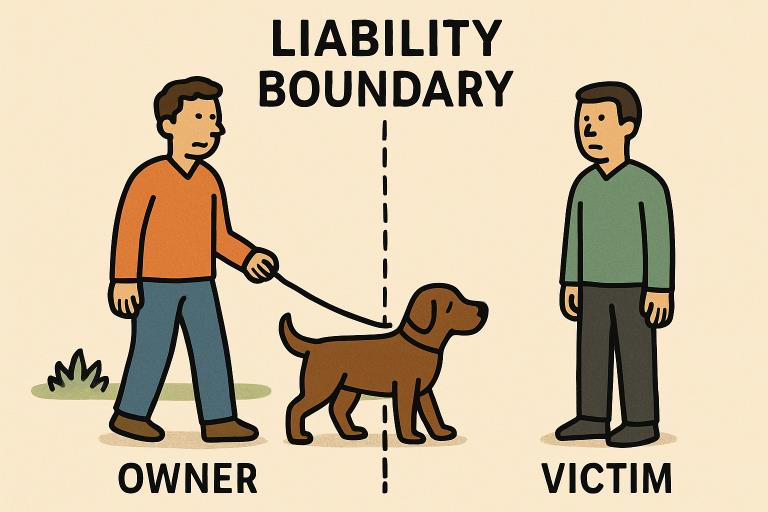
Understanding Dog Bite Laws
Dog bite laws serve to protect victims while also outlining responsibilities for pet owners. However, the complexities of these laws can make it challenging to determine liability and the appropriate course of action following a dog bite incident. Laws generally fall into two primary categories: strict liability, under which the owner is almost always responsible for injuries caused by their dog, and the one-bite rule, which focuses on the owner’s knowledge of their dog’s behavior. For those affected in the Sunshine State, speaking with a dog bite attorney in Florida can help clarify your specific rights and obligations under state law.
The differences in dog bite legislation across states have a significant impact on both victims seeking compensation and owners defending against claims. Being aware of local statutes is crucial for anyone involved in a dog bite event, as unique exceptions and nuances often play a role in determining liability and compensation.
Dog owners and victims alike benefit from understanding how legal frameworks shift liability in different situations. Some states favor victims regardless of the pet’s history, while others focus on whether the owner was—or should have been—aware of the pet’s potential for aggression.
Most importantly, both prevention and proper action after a bite are vital for legal protection and community safety. Keen awareness of dog bite laws helps in making informed decisions—whether proactively training your dog or seeking help after an unfortunate incident.
Strict Liability States
In strict liability states, dog owners are held fully accountable for injuries their pets inflict, regardless of whether the dog has ever displayed aggressive behavior. Strict liability makes it easier for victims to pursue compensation, as they don’t need to demonstrate the owner’s negligence. This approach is designed to promote responsible pet ownership and prevent unnecessary attacks.
However, defenses still exist. Owners may present evidence that the injured person was provoking the dog, trespassing, or otherwise acting in a way that contributed substantially to the incident, which may reduce or negate liability.
The One-Bite Rule
Contrary to popular belief, the one-bite rule does not mean that every dog is entitled to “one free bite.” Instead, it refers to a legal principle where an owner becomes liable for a dog bite only if they knew or should have been aware of the dog’s vicious tendencies. If a dog has previously bitten someone or shown signs of aggression, the owner can be found negligent for not taking precautions to prevent further incidents.
Still, demonstrating what an owner should reasonably have known can present challenges. Evidence such as prior complaints, neighborhood warnings, or a pet’s documented behavioral problems is often needed to satisfy the legal requirement for liability.
Factors Influencing Liability
Multiple circumstances can impact liability and the outcome of a dog bite claim. Laws in most states consider the context of the bite, not just the dog’s actions.
- Provocation:If the victim provoked the animal in any way—pulling its tail, startling it, or threatening its owner—liability may be significantly reduced or eliminated.
- Trespassing:Victims who were on the dog owner’s property without permission might not be eligible for compensation. Most laws require a victim to be lawfully on the premises.
- Negligence:In all states, owners can face consequences if they fail to take reasonable steps to control or restrain their pets. This includes ignoring leash laws or failing to secure a fence or yard. Negligence claims can supplement other statutes, enhancing victim protections.
Many jurisdictions blend several legal theories, allowing victims to bring claims under more than one doctrine.
Preventing Dog Bites
Owner Responsibilities
Most dog bites are preventable through responsible pet ownership and public awareness. Socializing dogs from a young age remains a top recommendation by veterinarians and animal behaviorists. Dogs that are comfortable with people and other animals are much less likely to react with aggression.
- Ensure regular, positive interaction with people and pets.
- Supervise any playtime between children and dogs, as young children are at greatest risk for severe bites.
- Attend obedience classes and use positive reinforcement to encourage good behavior.
- Monitor health and treat pain or illness quickly, as medical issues can trigger otherwise uncharacteristic aggression.
- Comply with your city’s leash laws and secure your property to prevent escapes.
Community Education
Local organizations and national groups, such as the Centers for Disease Control and Prevention (CDC), offer resources on dog bite prevention and responsible dog ownership. Community education helps reduce bite incidents and creates a safer environment for both pets and people.
Steps to Take After a Dog Bite
- Immediately wash the affected area with soap and water to minimize the risk of infection.
- Seek prompt medical attention, even for minor bites, as bacteria can enter the bloodstream quickly.
- Document the incident. Take photos of wounds, gather contact information from the dog owner and any witnesses, and note the circumstances of the attack.
- Report the bite to your local animal control or law enforcement agency. This documentation enables authorities to track dangerous animals and provides critical evidence should legal action be required.
- Speak to a legal professional about your options, especially in severe cases or when compensation for medical costs, lost work, or emotional distress is needed.
Legal Recourse for Victims
Victims of dog bites often qualify for compensation that covers medical costs, lost wages, and pain and suffering. The process can be complex, as evidence, circumstances, local laws, and the precise wording of liability statutes all influence the outcome.
Consulting with an attorney experienced in dog bite cases—especially one familiar with your state’s unique regulations—is a good step towards fair compensation and understanding your rights. Deadlines for filing claims vary by state, so timely action is important.
Final Thoughts
Navigating dog bite laws requires careful attention to both the letter of the law and the individual circumstances surrounding each case. Whether you are a dedicated pet owner or have suffered an injury, understanding liability rules, prioritizing prevention, and knowing the right steps to take after an incident can dramatically reduce risks and ensure justice is served. Safer communities are possible when everyone is informed and proactive about dog bite safety.