Key Takeaways
- Recent advancements in magnetic materials are driving up system efficiency, cost-effectiveness, and long-term reliability in energy, transportation, and digital sectors.
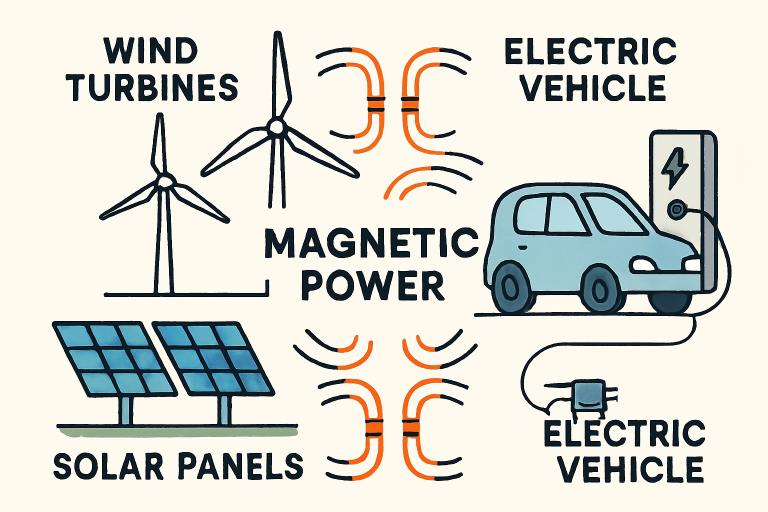
- Magnetic technologies underpin the rapid growth of renewable energy, electric vehicles, and wireless power transfer, supporting global transitions to greener economies.
- Cutting-edge magnetic components play a critical role in enabling efficient data center cooling and maglev transportation, both of which are essential for sustainable infrastructure.
Modern infrastructure is being rapidly transformed by magnetic power solutions, which deliver groundbreaking improvements in efficiency and sustainability across multiple sectors. In the quest for lower emissions, less maintenance, and smarter energy use, forward-thinking companies are turning to innovations such as dry type transformers and state-of-the-art magnetic components to meet the evolving demands of today’s energy, transportation, and technology-driven environments. These systems, far from being niche solutions, are now recognized as instrumental in minimizing environmental footprints, enhancing safety, and enabling higher reliability and streamlined operations capabilities that are crucial for businesses, municipalities, and urban planners worldwide. The accelerating shift toward urbanization, coupled with growing concerns over climate change and energy security, is fueling an unprecedented demand for these transformative technologies.
As cities expand at breakneck speed and industries look to decarbonize, the integration of advanced magnetic technologies is becoming central to building resilient, future-proof infrastructure. From smart grids that can dynamically respond to changing energy needs to electric vehicles redefining personal mobility, the dynamic field of magnetics serves as a keystone for innovations in renewable energy, efficient transport, and intelligent digital infrastructure. Emerging solutions seamlessly connect to the Internet of Things (IoT), enabling real-time data collection, remote management, and predictive maintenance functions integral to the vision of sustainable, interconnected urban environments.
Advancements in Magnetic Materials
As markets contend with supply chain pressures and price volatility stemming from rare-earth element shortages, research and development into rare-earth-free magnetic materials has taken on renewed urgency. Engineers and material scientists are intensifying efforts to discover and commercialize substitutes that offer the desired levels of coercivity, magnetic strength, and thermal stability without depending on traditional elements like neodymium and dysprosium, whose extraction and processing also pose environmental challenges. This research is advancing the development of stronger, lighter, and better-performing magnets suited for modern applications.
The success of these efforts promises to create a more secure and sustainable supply chain for high-performance magnets, especially in vital sectors such as renewable energy and automotive manufacturing. Innovative new nanocomposite alloys and advanced ceramic-based materials are being engineered to deliver energy-efficiency improvements and manufacturing cost reductions. These alternatives allow engineers to bypass traditional supply bottlenecks while providing devices with the durability and consistent performance required for mission-critical applications in wind turbines, electric motors, and high-capacity electrical distribution equipment. Utilities, manufacturers, and technology leaders alike are betting on these breakthroughs to reduce their exposure to geopolitical risks and meet tightening regulatory standards for sustainable sourcing.
Magnetic Technologies in Renewable Energy
The resurgence of wind energy installations worldwide is a testament to the centrality of magnetic power solutions in clean energy innovation. Permanent magnet generators (PMGs) have quickly become the gold standard in wind turbine design, especially for offshore installations where reliability, low maintenance, and extended service intervals are essential. By eliminating the need for heavy, failure-prone gearboxes, PMGs dramatically reduce system downtime and maintenance requirements, directly translating to lower operating costs and improved output consistency. In tandem with governmental policies that incentivize innovation and reward emissions reductions, the continual refinement of magnetic components is helping ensure a bright future for renewables.
As wind and solar technologies mature and achieve ever-lower costs per kilowatt-hour, magnetic components remain an integral part of new system designs, directly influencing performance, reliability, and overall lifecycle costs. The rapid expansion of renewable energy sources is evident in recent reports highlighting significant growth in solar and wind power generation. For instance, in 2024, global renewable energy capacity surged by 585 gigawatts, accounting for over 90% of total new power capacity. This growth was especially strong in the United States and China, with solar and wind energy leading the expansion. Such advancements underscore how magnetic technologies are unlocking new possibilities in both centralized and distributed power systems. With renewable capacity scaling up rapidly and global pressure mounting for decarbonization, progressive advancements in magnetic materials and assemblies continue to underpin the sector’s robust growth trajectory.
Electric Vehicles and Magnetic Components
The electrification of transportation is ushering in a new era of sustainable mobility, and magnetic technologies are at the heart of this revolution. Modern electric vehicles (EVs) rely on sophisticated magnets in their motors, power inverters, and battery management systems to maximize power output while minimizing weight and energy losses. High-performance magnets enable lighter, smaller, and more energy-efficient drivetrains, features that directly affect vehicle range, charging time, acceleration, and the overall driver experience. The cumulative impact of these innovations is helping EVs become more affordable and accessible, aligning with decarbonization targets set by governments and industry leaders worldwide.
Cutting-edge research into new magnetic architectures, such as segmented rotors and soft magnetic composites, continues to enhance performance and thermal management in EV platforms. This research supports a positive feedback loop: as motors become more advanced and affordable, EV adoption continues to accelerate, attracting further investment and talent into the field. As public expectations for reliability, performance, and environmental stewardship grow, magnetic technologies are at the heart of a rapidly evolving landscape in global transportation.
Data Center Cooling Solutions
In the digital age, data centers are the command centers powering cloud computing, artificial intelligence, and large-scale analytics. As these facilities grow in capacity and sophistication, managing heat generation becomes both a logistical and economic challenge. Innovative cooling solutions based on magnetic technologies, such as magnetic levitation chillers and magnetic-drive pumps, are gaining traction as replacements for traditional, high-maintenance equipment. These new systems leverage reduced friction, advanced materials, and efficient flotation techniques to deliver dramatic energy savings, minimize wear, and substantially reduce maintenance requirements.
The improved energy profiles of magnetic cooling solutions directly contribute to lower operational costs, supporting enterprise efforts to meet stringent sustainability targets and comply with increasingly rigorous energy-efficiency standards. As mission-critical operations require ever greater reliability, the adoption of magnetic technologies ensures robust uptime and predictable service delivery. For those interested in the technical and operational aspects of this evolution, Johnson Controls provides comprehensive insights into how new cooling technologies are reshaping data center design and operation.
Wireless Power Transfer Technologies
Wireless power transfer (WPT) is gaining momentum as a transformative technology for device charging and operational flexibility in modern infrastructure. By leveraging the principles of electromagnetic induction or resonant coupling, WPT systems enable efficient power transfer without direct electrical contact, making them ideal for applications where wiring is impractical, dangerous, or impossible. Today, engineers are deploying WPT in a diverse range of products and systems, from consumer electronics and medical implants to electric buses and even autonomous vehicles operating in dynamic environments.
This technology enhances user convenience by eliminating cable clutter and connector wear, while also enabling new possibilities in smart city infrastructure, industrial automation, and the electrification of public transit. The widespread adoption of WPT is a testament to the versatility, reliability, and future-proofing provided by modern magnetic components, reinforcing the importance of magnetics in shaping the connectivity and mobility of tomorrow.
Magnetic Levitation in Transportation
Magnetic levitation (maglev) technology is poised to set new industry standards for speed, efficiency, and safety across both urban and intercity transportation networks. Projects like China’s high-speed maglev trains are pushing the boundaries of how fast and smoothly people can travel, with speeds exceeding 600 kilometers per hour, all while offering a ride that is virtually frictionless and extremely quiet. These advancements eliminate the wear and maintenance concerns associated with traditional rail systems, making maglev an increasingly attractive option for future rail corridors, especially in dense, noise-sensitive urban areas.
Innovations such as maglev tunnel boom buffers are mitigating public concerns related to noise pollution, paving the way for broader acceptance and larger-scale deployment of maglev infrastructure. As urban populations swell and congestion intensifies, maglev technologies are helping planners reimagine mobility with designs that are not only faster and more reliable but also environmentally sustainable. The broader implementation of these systems could well redefine the economic and social fabric of cities, providing an elegant solution to many of the persistent challenges faced by traditional transportation networks.
Conclusion
The ongoing surge of magnetic power solutions heralds a transformative era for modern infrastructure, underpinning advancements in renewable energy systems, next-generation electric transportation, sustainable data center management, and versatile wireless power formats. As industries invest in research, material science, and the practical application of cutting-edge magnetic technologies, the role of magnetics in infrastructure development is only set to expand. The benefits of a more sustainable, efficient, and interconnected world promise to profoundly influence how societies generate, distribute, and use power for generations to come.