Power cords usually appear to be rather basic, but the incorrect choice of power cords can silently cause daily inconveniences.
A loose connection, an incompatible plug, or an underrated cable may break your workflow process, overstrain your equipment, or result in regular replacement. You may notice devices shutting off without warning, cords getting warm, or plugs that never seem to fit quite right.
In many cases, the problem is failing to understand standardized connectors such as the C13 plug, rather than a problem with the device itself.
That is where the understanding of compatibility makes a real difference. When you understand the functionality of a particular plug, what it supports, and its best placement, you will make more certain and realistic decisions.
This article covers everything you need to know about C13 plug compatibility, from use and ratings to determining the right setup.
Understand What C13 Plug Is
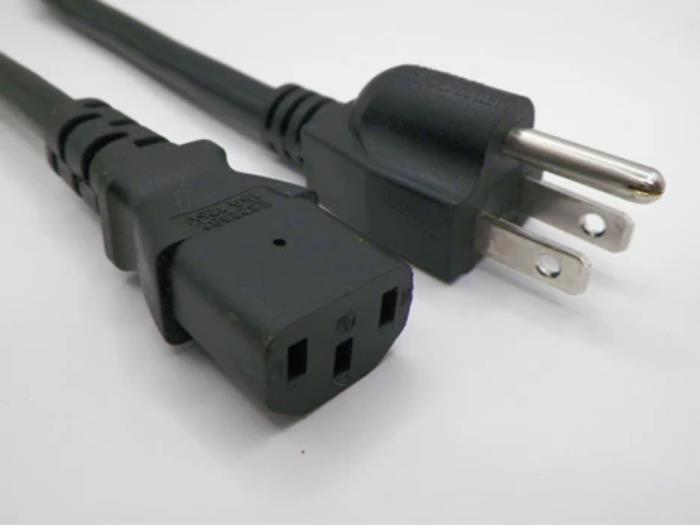
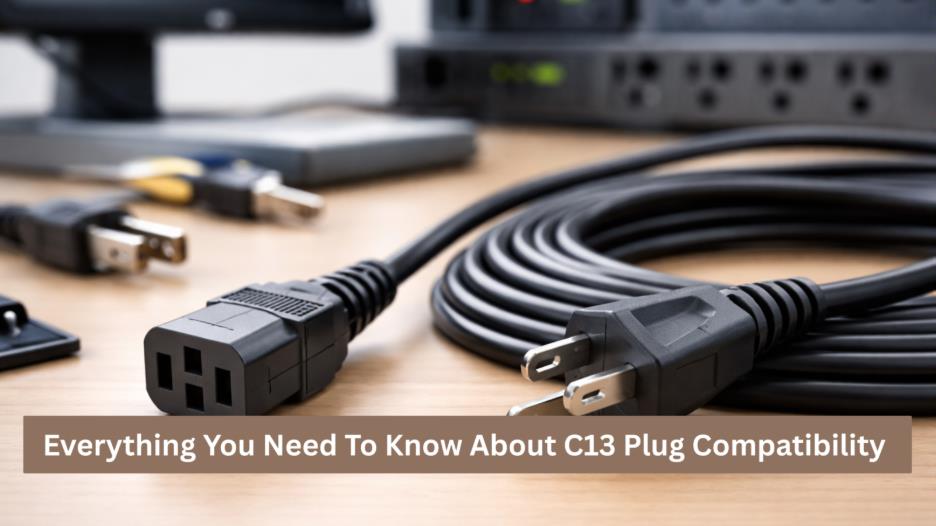
At its core, the C13 plug is a standardized power connector that provides stable electricity to a wide range of electronic equipment. You will commonly find it along with desktop computers, monitors, printers, servers, and networking devices. Its popularity stems from its balanced design that allows moderate power load while having a secure fit.
In addition, this connector adheres to the international electrical standards, which means that it is designed to work safely in many regions when used with the proper wall side plug. Because of this standardization, manufacturers and users depend on it for standard performance.
Most importantly, its three-prong configuration supports grounding. This grounding feature helps to reduce electrical noise and lowers the risk of shock or equipment damage. For this reason, it is often preferred in professional and technical fields where reliability is important.
Devices That Commonly Use C13 Connections
Once you understand the connector itself, it’s easier to see where it fits. C13 connections are usually used with equipment that requires a steady power supply, but does not exceed higher industrial power amperage limits. This includes desktop PCs, office monitors, laser printers, and many types of IT hardware.
Moreover, this type of plug is commonly found in data centers and office setups. Since a lot of the devices have similar requirements for their power, having a standardized connector makes managing cables and replacing them easier. When a cord fails, you can replace it without changing the entire setup.
Because of this versatility, the C13 plug has become a reliable solution across industries. From home offices to server rooms, its compatibility supports both convenience and safety.
Voltage and Amperage Compatibility Explained
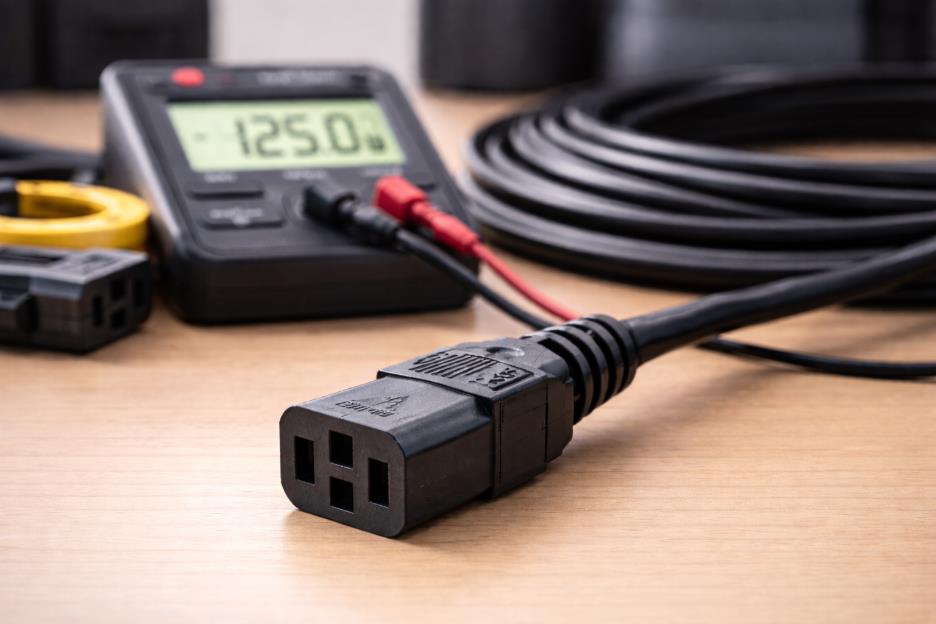
Understanding the voltage and amperage is crucial when assessing compatibility. C13 connectors are typically rated to handle up to 10-13 amps and up to 250 volts, depending on regional standards. This makes them suitable for most common electronic equipment without reaching electrical limits.
However, compatibility is not limited to the connector shape. The wire gauge inside the cord plays a major role. Thicker conductors, such as 16-gauge wiring, can carry higher current loads with less heat buildup. This becomes particularly important when the devices are in continuous operation.
Therefore, when choosing the power cord, you need to consider the full electrical rating. Matching the voltage, amperage, and wire quality ensures consistent performance and longer cable life.
Regional Plug Pairings and Wall Compatibility
Although the device side connector is the same worldwide, wall side plugs are different for each region. In North America, C13 cords are frequently coupled with grounded three-prong wall plugs designed for standard outlets. This pairing enables devices to function safely within regional electrical systems.
At the same time, international setups may have different wall plug standards but maintain the same C13 device connection. This malleability enables the manufacturers to produce region-specific cords without the need for equipment changes.
For this reason, compatibility relies on both ends of the cable. Ensuring the wall plug is compatible with your outlet standard is just as important as confirming that the device-side connector fits in properly.
Built-In Features That Affect Compatibility
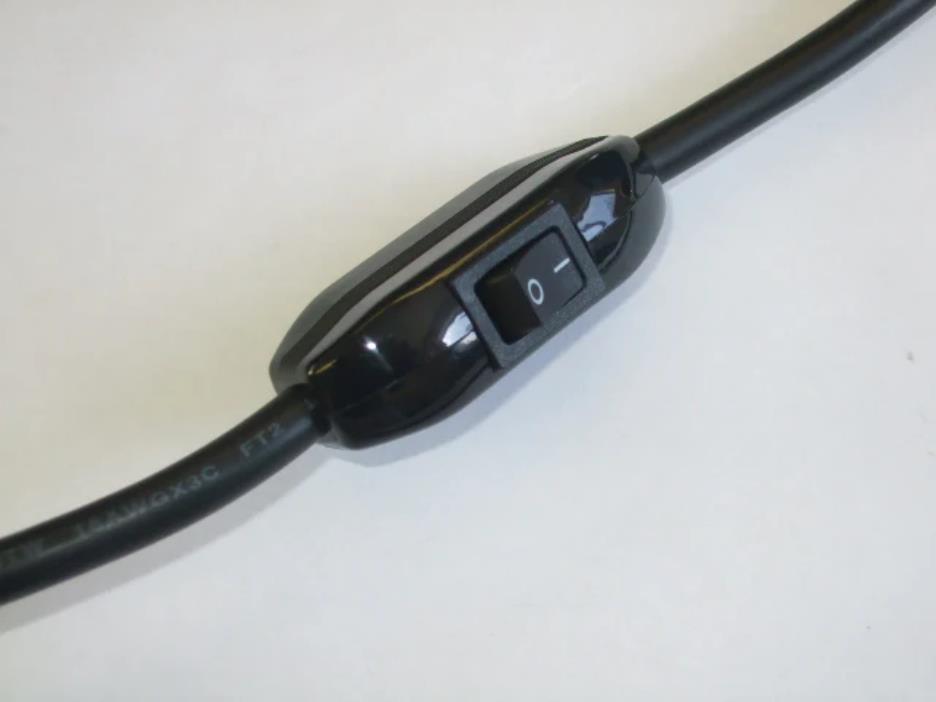
Other than basic connectivity, some power cords have added usability features. One popular addition is an in-line rocker switch. This switch lets you control the flow of power without unplugging the power cord, which can be helpful in small spaces or behind desks.
Additionally, insulation type is important. Cords rated for higher temperatures and durable outer jackets are more suitable for long-term use and environments where heat or friction is common. These features do not alter the shape of these plugs but enhance the overall compatibility with demanding setups.
Therefore, when considering options, consider how these features match your usage behavior. A compatible plug becomes even more effective when combined with practical design aspects.
How To Choose Right C13 Power Cord?
Choosing the right cord starts with understanding your equipment’s requirements. First, confirm that your device is designed to accept a C13 connection. Then, check the voltage and current ratings listed on the device label.
Next, consider cord length and placement. Longer cables provide flexibility, but they should still maintain proper gauge thickness to avoid power loss. Shorter cords, on the other hand, work well in compact setups with nearby outlets.
Finally, look at the build quality and certifications. Cords tested for safety and durability offer peace of mind, especially when powering valuable equipment. When all these factors align, compatibility becomes effortless rather than uncertain.
Final Thoughts
C13 plug compatibility is not complicated, yet it requires attention to detail. By understanding how the connector works, where it is used, and what electrical ratings matter, you can avoid common power issues before they start.
More importantly, you gain confidence in selecting cords that support your equipment reliably and safely. When compatibility is handled correctly, your devices perform as expected, and your setup stays efficient without unnecessary interruptions.