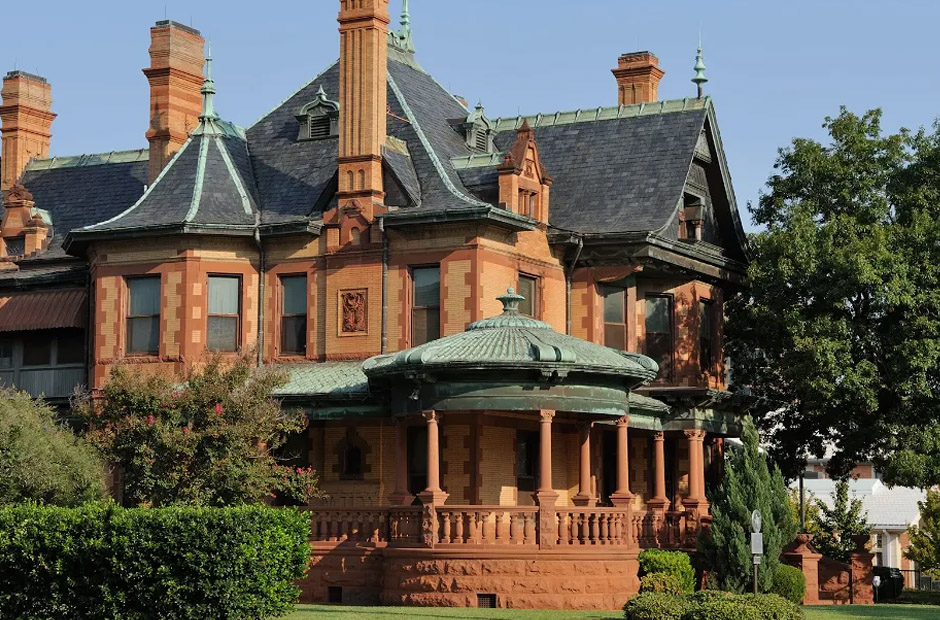
Fort Worth, Texas, is a city that proudly wears its history on its sleeve. From the stately Craftsman bungalows of Fairmount to the elegant Victorian facades in Ryan Place, these historic homes tell stories of another era — but they’re also making headlines in today’s real estate market. Buyers are increasingly drawn to properties that offer character and craftsmanship, creating an opportunity for homeowners to transform “old charm” into real, modern value.
If you own one of Fort Worth’s timeless homes, understanding how to preserve its unique appeal while boosting marketability could be your ticket to a standout sale.
1. Why Historic Homes Are Still in High Demand
Historic homes in Fort Worth are more than architectural relics — they’re emotional investments. Buyers want something different from cookie-cutter new builds: high ceilings, detailed woodwork, wraparound porches, and original fixtures that evoke nostalgia and personality.
Neighborhoods like Fairmount, Mistletoe Heights, and Arlington Heights have become magnets for professionals and families who want both heritage and convenience. In fact, real estate agents report that well-maintained older homes often sell faster and for higher prices than their modern counterparts in similar price brackets.
The key, however, lies in balancing authenticity with livability — preserving what makes your home special while ensuring it meets today’s lifestyle standards.
2. Preserving Character While Updating for Buyers
Buyers of historic homes want the best of both worlds: preserved character and modern comfort. The most successful sellers invest in restoration, not renovation — meaning updates that highlight original features instead of replacing them.
- Refinish, don’t replace: Restored hardwood floors, crown moldings, and antique doors can dramatically elevate perceived value.
- Upgrade discreetly: Modernize kitchens and bathrooms with energy-efficient fixtures that blend seamlessly into the home’s style.
- Invest in curb appeal: Period-appropriate landscaping and a fresh coat of historically accurate paint can enhance first impressions without compromising authenticity.
When done right, these updates make a home feel move-in ready while retaining its soul — a major advantage when competing in Fort Worth’s hot housing market.
3. Pricing the Past: How to Value a Historic Property
Determining the right listing price for a historic home can be tricky. Standard market comps often fail to capture the intangible appeal of historic architecture or the costs of preservation. That’s where specialized local agents and appraisers come in.
Professionals familiar with Fort Worth’s historic districts understand how to value craftsmanship, location, and heritage designations. They can help you calculate a fair yet competitive price that reflects both emotional appeal and practical features.
For a broader perspective on regional market trends and homeowner confidence, the Southeast home seller sentiment report offers valuable insights into what motivates buyers and sellers across Texas and nearby markets. Knowing these trends can help you time your sale strategically.
4. Selling Smart: Marketing a Historic Home
Marketing a historic home requires storytelling — not just listing square footage and features. Buyers want to imagine themselves living inside a piece of Fort Worth’s history.
Effective strategies include:
- Professional photography that captures unique details — stained glass, intricate wood trim, or ornate fireplaces.
- Historical storytelling in your listing description, focusing on the home’s legacy or past owners.
- Targeted outreach to history enthusiasts, preservation societies, and niche buyer groups who appreciate older homes.
- Highlighting modern perks (updated HVAC, smart home compatibility) to reassure buyers that history doesn’t mean high maintenance.
Combining visual appeal with emotional connection makes your listing more memorable — and often, more profitable.
5. Selling “As Is” Doesn’t Mean Selling Short
Not every homeowner has the time or budget for extensive restoration — and that’s okay. Many buyers are specifically looking for “as is” historic homes they can restore themselves. If you’re considering this route, there are plenty of ways to sell house as is in Fort Worth Texas and still attract strong offers.
Local investors and specialized agents often see value in these properties’ potential. Being transparent about condition, highlighting existing strengths, and pricing competitively can bring in multiple interested parties without major renovations. You can still turn your home’s age into an advantage — as long as you frame it as an opportunity, not a flaw.
Conclusion: Let History Work for You
In a city that treasures its roots, Fort Worth’s historic homes offer a rare combination of sentiment and financial reward. Whether you invest in subtle updates or sell “as is,” understanding your home’s unique story is key to unlocking its true value. By blending preservation with smart marketing and pricing strategies, sellers can turn old-world craftsmanship into modern profit.
After all, in Fort Worth, history isn’t just something to be admired — it’s something that can still pay dividends.