Exterior upgrades have long been measured by how well a home looks from the street. Fresh paint, neat landscaping, and updated walkways have traditionally been seen as personal investments meant to boost visual charm and pride of ownership. While these elements still matter, the purpose of exterior improvements is evolving.
Homeowners and designers are beginning to see outdoor upgrades as opportunities to support shared experiences, strengthen neighbor connections, and contribute to a broader sense of belonging. The shift from focusing only on curb appeal to embracing community appeal reflects a deeper understanding of how spaces shape daily life. When exterior upgrades are planned with people in mind, they move beyond appearance and begin to nurture interaction, comfort, and care for the surroundings.
Planned Communities as a Foundation for Shared Living
Planned communities offer a useful lens for understanding how exterior design choices can influence collective well-being. These environments are often shaped by a vision that considers how residents move, gather, and relax together. Instead of isolated homes with purely decorative exteriors, planned neighborhoods often include shared green areas, thoughtful pathways, and inviting public-facing elements that encourage people to step outside.
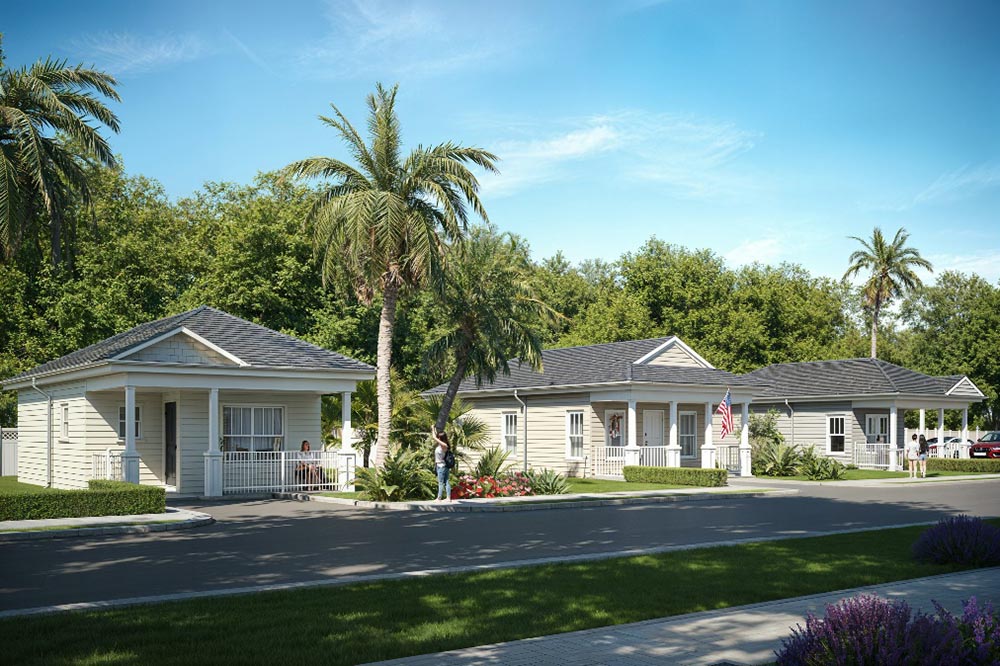
In such settings, exterior upgrades are not only about individual taste but also about harmony and connection. A clear example of this mindset is reflected in La Segarra, a master planned community featuring a peaceful landscape, walking trails, and more. The emphasis in such places is on creating outdoor spaces that feel welcoming and usable, where the look of a home contributes to a larger, shared atmosphere rather than standing apart from it.
Rethinking the Purpose of Exterior Design
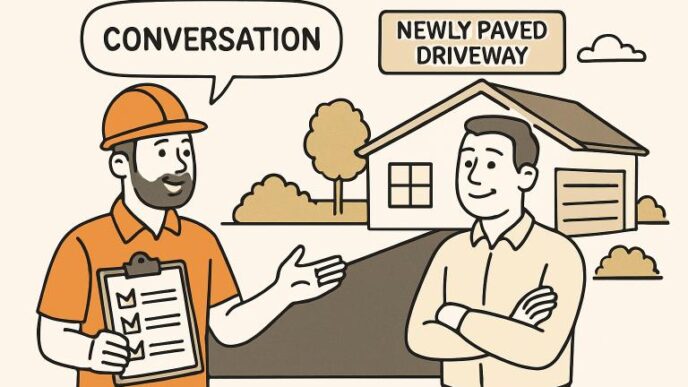
When homeowners rethink why they are improving their exteriors, priorities begin to change. Instead of asking how an upgrade will look from the curb alone, the question becomes how it will feel to live with and around. A front yard can become a space that invites conversation rather than a display to admire from afar.
Pathways can be designed to slow people down and encourage interaction rather than simply guide them quickly to the door. Even simple changes, such as adding comfortable seating near an entry or choosing materials that feel warm and natural, can transform an exterior from a visual statement into a social one.
This approach does not require dramatic changes. It requires intention. By considering how neighbors might experience a space, homeowners can make choices that subtly encourage friendliness and openness.
Landscaping That Encourages Connection
Landscaping plays a powerful role in moving from curb appeal to community appeal. Traditional landscaping often focuses on symmetry and visual order. While attractive, it can sometimes create barriers, such as tall hedges or closed-off layouts that discourage interaction. A more community-minded approach looks for a balance between beauty and accessibility.
Open lawns, gently defined borders, and shared planting areas can make outdoor spaces feel more inclusive. Trees and plants can be arranged to provide shade and comfort for people who pause to talk or children who play nearby. Choosing greenery that feels natural and easy to maintain can also reduce stress and invite residents to spend more time outdoors.
Outdoor Lighting as a Tool for Safety and Warmth
Lighting is another exterior element that can shift focus from individual appeal to collective comfort. Harsh or overly bright lighting may highlight a home, but it can also feel unwelcoming or disruptive. Softer, well-placed lighting creates a sense of safety while preserving a calm atmosphere.
Pathway lights, gentle entry illumination, and thoughtfully lit gathering areas help people feel comfortable moving through shared spaces in the evening. This sense of ease encourages residents to use outdoor areas more often and for longer periods.
Front Spaces That Invite Interaction
The area at the front of a home is a powerful transition zone between private and shared life. Porches, small patios, and entry seating areas can act as bridges that connect residents to their neighbors. When these spaces are designed to be used rather than just seen, they naturally support interaction.
A welcoming front space might include seating that faces outward, subtle shading for comfort, or an open layout that feels approachable. These features signal that conversation is welcome and that the space is part of the neighborhood rhythm.
Sustainability as a Collective Benefit
Exterior upgrades that consider environmental care also contribute to community appeal. Features that manage water wisely, support plant health, or reduce maintenance needs can benefit everyone. These choices often lead to quieter, cleaner, and more pleasant outdoor environments.
When sustainability is approached as a shared value rather than a personal statement, it strengthens the sense that residents are working together for the well-being of their surroundings.
The Emotional Impact of Thoughtful Exteriors
The true value of rethinking exterior upgrades lies in their emotional impact. Spaces that are designed for people rather than appearances alone tend to feel calmer, friendlier, and more supportive. Residents are more likely to spend time outside, notice one another, and feel connected to where they live.
This shift does not happen overnight. It grows through consistent, thoughtful choices that prioritize experience over display. As more homeowners adopt this perspective, neighborhoods can evolve into places where beauty and belonging exist together.