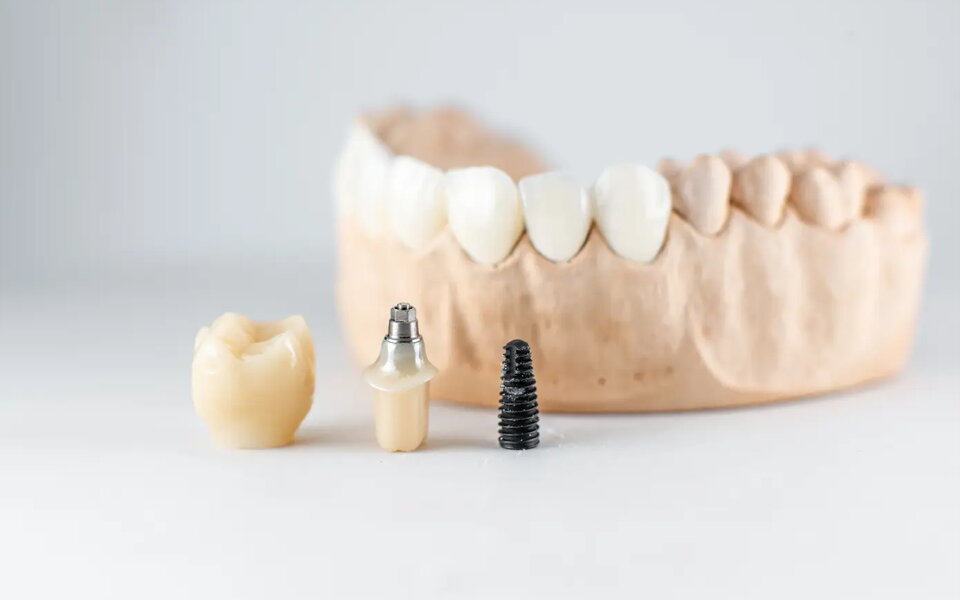
What Dental Implants Really Are
Dental implants are microscopic titanium posts in your jawbone that act as prosthetic roots for new teeth. A personalised crown, bridge, or denture is connected to the implant when the bone fuses, giving you teeth that look, feel, and function like your natural ones. The smooth repair provides chewing strength, long-term stability, and confidence in front of cameras and crowds.
Who Thrives with Dental Implants
If they have good health and a clean mouth, most adults with missing or badly damaged teeth can benefit from implants. Grafting or other methods can increase bone density to support the implant. Your implant dentist will customise a strategy based on your anatomy and goals, but daily hygiene, regular dental appointments, and lifestyle decisions like quitting tobacco are crucial to success.
Step-by-Step: The Journey from Consultation to Smile
Your route begins with a thorough assessment, imaging (X-rays or 3D scans), and an open discussion about expectations, budget, and timetables. Local anaesthesia is used to insert the implant, which is surprisingly comfortable. Bone grafting or a sinus lift may be needed to reinforce the location. Over the next few months, your body osseointegrates the implant into your bone. After the implant is stable, an abutment (connection) is connected and a custom crown, bridge, or full-arch prosthesis is developed and fitted to make your smile look natural.
Why Patients Choose Implants
Implants deliver a rare blend of beauty and brawn: they look authentic, chew efficiently, and don’t rely on neighboring teeth for support. They help preserve bone and facial contours, protect the integrity of surrounding teeth, and remove the daily fuss that can come with removable dentures. The investment goes beyond aesthetics; it’s about restoring comfort, speech clarity, and the freedom to enjoy your favorite foods without second-guessing your bite.
Comfort, Healing, and What to Expect
Most patients are surprised by how manageable recovery feels—typically mild soreness and swelling that fades within a few days. Soft foods and gentle oral care rule the first week, while your dentist keeps tabs on healing and integration with scheduled check-ins. If you have a temporary restoration, you’ll be coached on chewing strategically to protect the site; once integration is complete, the final prosthesis delivers full function and a photo-ready finish.
Styles That Fit Your Life: Single, Multi-Tooth, and Full-Arch
A single-tooth implant replaces one missing tooth without touching adjacent teeth, making it an elegant, conservative option. If several teeth are missing, implant-supported bridges connect crowns over a few implants to span the gap with fewer posts and high stability. For a complete smile makeover, full-arch solutions use four to six implants to secure a sleek, streamlined prosthesis—no adhesives, no sliding, and far more bite power than traditional dentures. Your dentist will map out the number of implants, materials, and design elements to match your bite, face shape, and lifestyle.
Caring for Your Dental Implants
Treat implants like premium natural teeth: brush twice daily with a soft brush, floss or use interdental brushes around the gumline, and use a water flosser for hard-to-reach areas. Cleanings and exams allow your team to polish, evaluate gum health, and detect early inflammation, making them essential. Using a night guard to preserve your implants and reducing tobacco use protects the bone and gum tissue that support them.
However, many dentists now recommend an acrylic partial denture for patients who prefer a solution that’s easier to maintain and more adaptable over time. Unlike implants, which require careful hygiene around the gumline and ongoing professional monitoring, an acrylic partial denture can be removed, cleaned thoroughly, and adjusted as your oral condition changes. It’s lightweight, cost-effective, and offers a comfortable fit that restores natural appearance and function with minimal upkeep.
Longevity, Reliability, and Risk Management
With proper planning and maintenance, implants can last decades. The dentist will test for conditions that can impair healing, such as uncontrolled diabetes or smoking, and adjust the treatment to maximise results. Any operation can cause infection, peri-implant irritation, or uncommon nerve difficulties. Careful hygiene, wise maintenance, and regular follow-ups greatly avoid complications and strengthen your smile.
Planning, Timing, and Lifestyle Fit
All implant timelines are tailored to your biology, bite, and schedule. Some cases allow same-day interim restorations, allowing you grin confidently while the bone heals. Some benefit from sequential therapy, especially if grafting is needed, to ensure each step is firm. As architect and coach, your dentist helps you plan around life events and deliver effortless outcomes when it matters most.
The Insider Edge: What Makes a Great Implant Result
Gum contouring that frames the crown, shade matching that matches your natural teeth, and bite adjustments that make biting easy are the magic. The long game involves calibrating flossing spacing, picking materials that suit your habits, and scheduling maintenance appointments to keep everything clean. An experienced implant team converts innovative science into everyday comfort and confidence in Palm Harbour and throughout.
FAQ
How long do dental implants last?
With consistent care and regular checkups, many implants last for decades.
Is the implant surgery painful?
Most people report minimal discomfort thanks to local anesthesia and gentle techniques.
What if I don’t have enough bone?
Bone grafting or sinus lifts can build a stronger foundation for your implant.
How soon can I eat after surgery?
Soft foods are fine right away, and you’ll gradually return to normal eating as healing progresses.
Are implants better than bridges?
Implants don’t require shaving down healthy neighboring teeth and help preserve bone, which many patients prefer.
Can smokers get dental implants?
Yes, but quitting or reducing tobacco dramatically improves healing and long-term success.
Will my implant look like a real tooth?
Your crown is custom-made to match the color, shape, and size of your natural teeth.
How do I clean around implants?
Brush twice daily, floss or use interdental brushes, and consider a water flosser for extra precision.
Are implants covered by insurance?
Coverage varies widely, so it’s best to review your plan and discuss financing options with your dentist.
What is osseointegration?
It’s the process where your bone bonds tightly to the implant, creating a stable, long-term foundation.