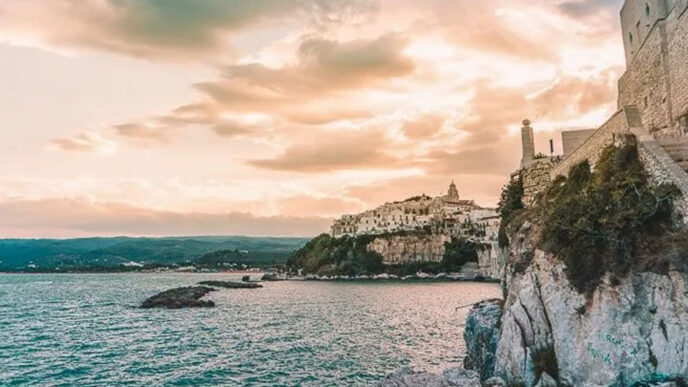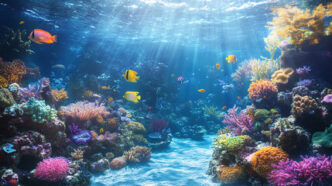

Belize is a small country in Central America. It is on the eastern coast next to the Caribbean Sea. About 400,000 people live there. The country is south of Mexico and east of Guatemala. This Central American country protects a massive network of coral gardens, atolls, and mangroves that support hundreds of fish species.
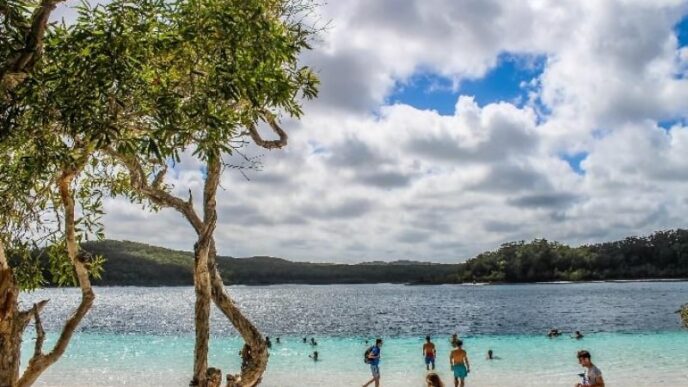
It is known for its beautiful beaches and clear blue water. It has the second largest barrier reef in the world. Many people visit Belize to go snorkeling and scuba diving. The underwater life is wonderful.
Why an Active Expedition Matters
Participating in a volunteer trip in Belize offers a chance to see conservation efforts from the inside out. You aren’t just looking at pretty fish. It’s more than that. It turns a simple swim into a lesson about how humans and nature interact.
Being physically present in water allows you to see things that a documentary just cannot show. This direct contact with the ocean floor changes how you perceive the aquatic world.
Understanding Marine Ecosystems
When you are floating near a reef, you can see how different species rely on one another to survive. Tiny shrimp often live inside sponges, getting protection as they keep the host clean from debris.
You might notice how certain fish follow rays as they stir up the sand to discover food. These small details show the balance required to keep the whole system running smoothly.
Seeing the Reality of Climate Impacts
Direct subsurface visits reveal the physical signs of stress that scientists talk about in reports. The National Oceanic and Atmospheric Administration states that coral reefs provide roughly 3.4 billion dollars in economic value to the U.S. each year through fisheries and tourism.
Seeing a patch of white, dead coral next to a colorful one makes those numbers feel much more personal.
Identifying Pollution
Pollution leaves a visible mark that you can track during your time in the water. The Environmental Protection Agency notes that runoff from land-based activities contributes significantly to ocean acidification and nutrient pollution.
You might notice silt covering seagrass beds near river mouths. This layer of sediment blocks the sunlight needed for photosynthesis, which kills the grass that many creatures eat.
Learning Through Equipment
- Using a depth gauge helps you observe how light and pressure change.
- Carrying a waterproof slate allows you to record the types of species.
- Buoyancy control teaches you the ways to move through a fragile environment.
- Flashlights reveal the true colors of corals.
Food Web Dynamics
Watching a barracuda hover near a school of jacks gives you a front-row seat to the food chain. You can see the way the smaller fish move in unison. This phenomenon shows how energy moves through the ecosystem in real time.
Conclusion
A volunteer trip in Belize provides you a perspective that staying on the beach never could. You will see the connections between the smallest plankton as well as the largest predators. This newfound knowledge provides a deeper commitment to protecting our oceans.
Key Takeaways
- Participation provides a clearer view of reef health.
- Direct observation highlights the symbiotic ties between marine species.
- Physical evidence of pollution reinforces the need for proper waste management.
- Subsurface exploration connects local environmental health to global economic stability.