Trees define how your premises appear and feel, but as soon as they are left to grow without guidance, hidden risks start to form. The branches reach the roofs and power lines, the roots raise the walkways, and thick canopies block the light and air circulation.
These transformations not only impact appearance over time. They affect the safety, structural stability, and the quality of the outside air surrounding your home. Minor problems become expensive repairs or last-minute removals when early warning signs are not taken into account.
Professional tree care services reverse that trend by fixing issues before they get too big to handle. Trees remain healthy without being dangerous through good evaluation, selective pruning, and protection against hazards.
This is a sustainable way of safeguarding your landscape, and it also allows trees to grow in a healthier way and a safer outdoor environment. This article discusses the role of professional tree services in avoiding risks and ensuring healthy, long-term landscapes by taking accurate and preventative measures.
1. Structural Safety Through Professional Care
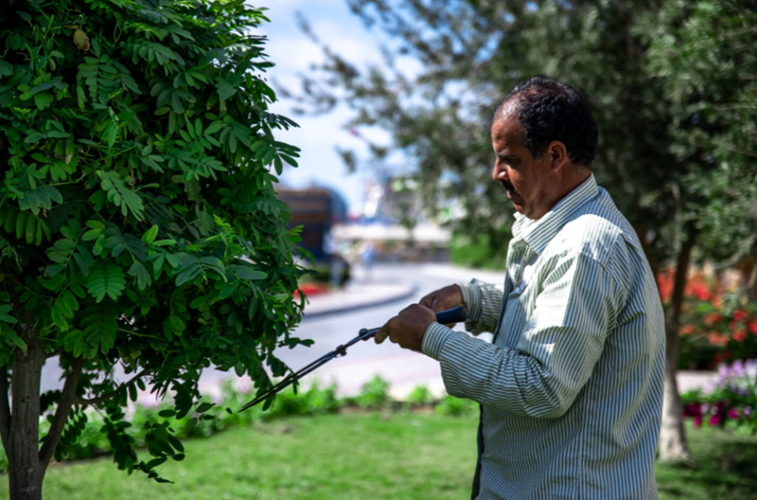
Overgrowing trees exert force on the roofs, driveways, fences, and utility lines. Branches get heavier, root systems expand, and the balance of the structure gradually changes. This is what causes even an apparently healthy tree to be a risk during a storm or even heavy rainfall.
To avoid such circumstances, hiring tree care services would be beneficial as they can provide trained experts who can examine the growth of each tree relative to the house and other features of your house.
They examine the branch distribution, trunk stability, and root anchoring before making adjustments. By early correction of imbalance, the trees stand straight and free with underpinning instead of being strained or overstrained.
The practice can lessen the risk of falling limbs, leaning trunks, or sudden falls. Simultaneously, it maintains the use and safety of your outdoor space without eliminating healthy growth.
2. Controlled Trimming Improves Growth and Reduces Risk
Excessive growth of branches leads to more issues than mere overcrowding. They trap moisture and block the sunlight, and put stress on the structure of the tree. These conditions welcome rottenness, pests, and demolition.
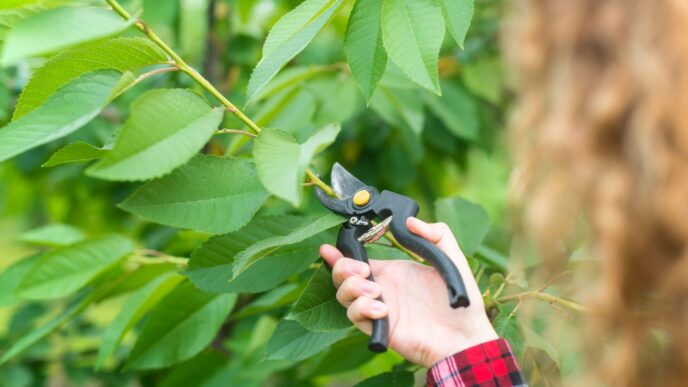
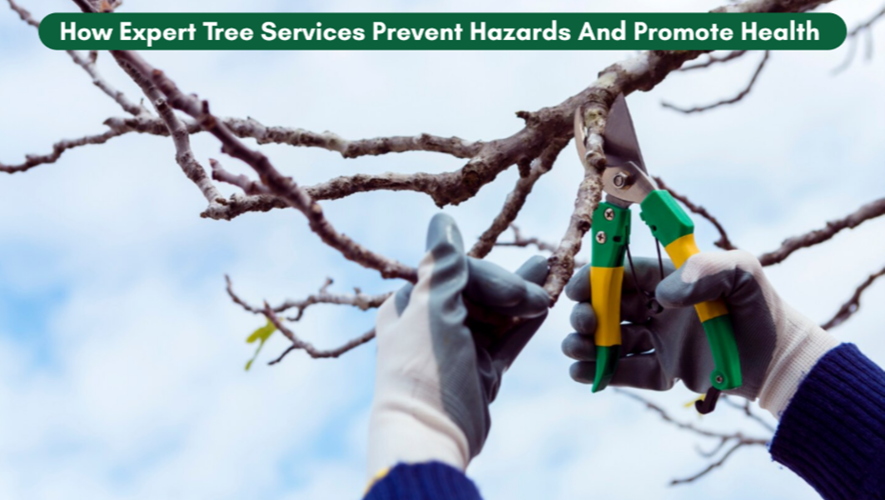
Professionally trimmed trees eradicate sick, diseased, or misplaced limbs and direct trees to grow well. Trees get less susceptible to fungi and insects as the airflow and sunlight are high. In the meantime, there are no extensions of branches towards roofs, paths, or cars.
Since all cuts are made according to natural growth designs, the tree does not become lopsided. This ensures that the space surrounding the tree is kept clean, open, and stable.
3. Hazard Tree Removal Prevents Sudden Damage
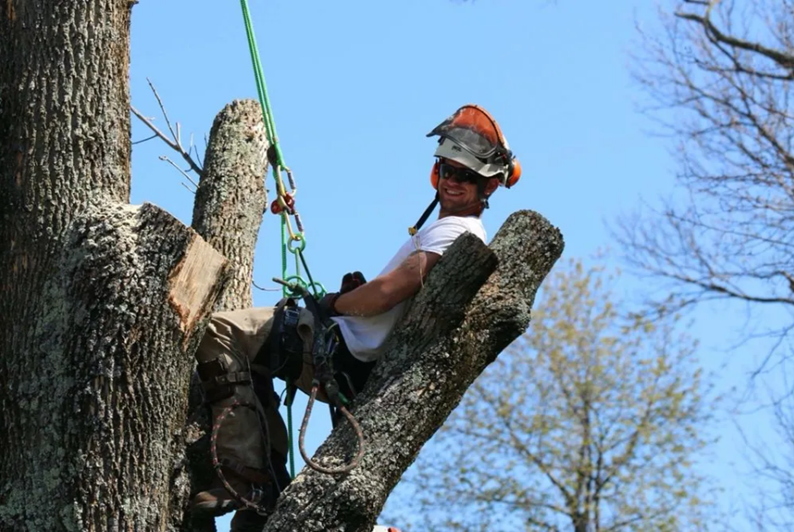
Even strong trees are not safe forever. Some trees become their assets instead of their liabilities through root rot, internal decay, storm damage, or extreme leaning. These risks tend to remain unnoticed until the time of failure.
Professional removal deals with such risks before they cause damaged structures or congestion. Experts remove trees in designated areas, so debris is not able to hit structures or other vegetation. This continues to shield adjacent areas even where there is a lot of congestion.
The removal of a diseased tree does not undermine your landscape. On the contrary, it gets rid of the one element that may result in immediate harm and further tension.
4. Stump Elimination Restores Safe, Usable Space
Once a tree comes down, the stump remains as a reminder — and a problem. It creates uneven ground that invites trips and falls. It also becomes a breeding area for insects and decay.
Stump grinding removes the base below soil level, restoring a flat, clean surface. This allows you to walk, mow, plant, or redesign the area without obstruction.
By eliminating decaying wood, you also prevent fungi and pests from spreading to nearby trees or soil. This small step plays a large role in preserving overall landscape health.
5. Emergency Tree Services Limit Post-Storm Hazards
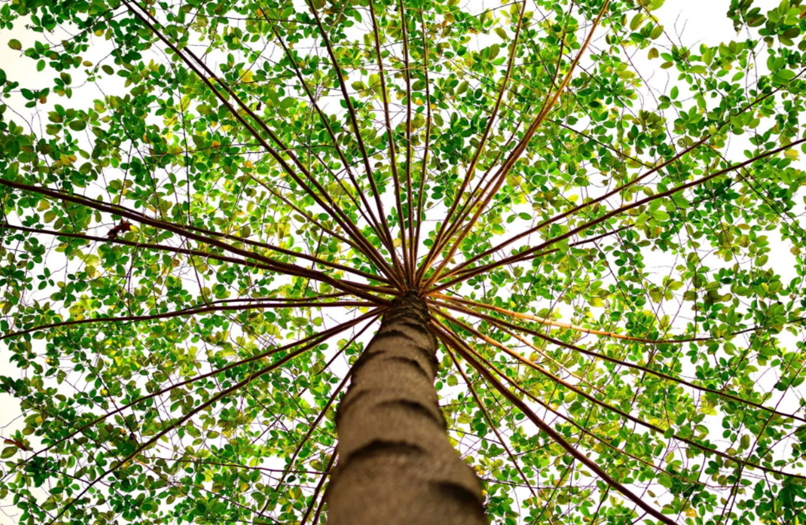
Severe weather changes a landscape instantly. Broken limbs, uprooted trees, and hanging branches create dangerous conditions that cannot wait for routine maintenance.
Emergency tree services focus on stabilizing the area first. Loose branches get removed, fallen trees get cleared, and unstable growth gets secured.
This prevents further damage to structures, driveways, and outdoor living areas while restoring safe access across paths, yards, and entryways that storms often leave obstructed or hazardous.
A fast, professional response protects you from walking into unsafe conditions. It also limits how much a storm impacts the rest of your property.
6. Preventive Maintenance Supports Long-Term Tree Health
Tree care works best as an ongoing system, not a one-time reaction. Preventive maintenance includes routine inspections, soil assessment, and targeted care based on each tree’s condition.
This approach identifies disease, nutrient deficiencies, and growth problems early. Small corrections then keep trees strong rather than forcing large interventions later.
Healthy trees filter air, regulate shade, and stabilize soil. When their condition stays balanced, your entire outdoor environment becomes more comfortable and resilient.
This stability supports safer walkways, healthier plant life, and consistent canopy coverage, which together create a landscape that remains both functional and visually pleasing throughout seasonal changes rather than becoming stressed or uneven over time.
Bottomline
Tree care affects more than appearance. It shapes how safe, stable, and breathable your surroundings feel every day. By trimming wisely, removing hazards, clearing stumps, and responding quickly to storms, expert tree services reduce risk while supporting natural growth.
When trees receive consistent, knowledgeable care, they remain assets instead of liabilities. That balance creates a landscape that looks better, feels safer, and supports your well-being season after season.